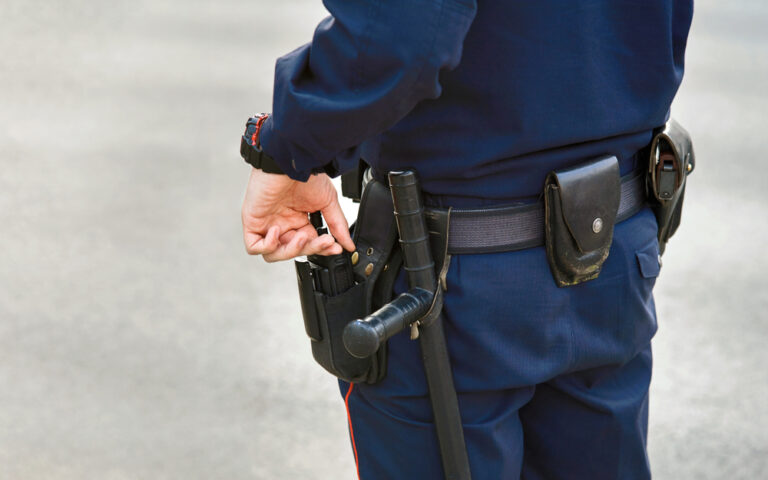
4 Best Radio Holsters for Duty Belts (Police Picks 2026)
Compare four radio holsters and pouches for police duty belts and outer carriers, including Zero9, Bianchi, 5.11 and…

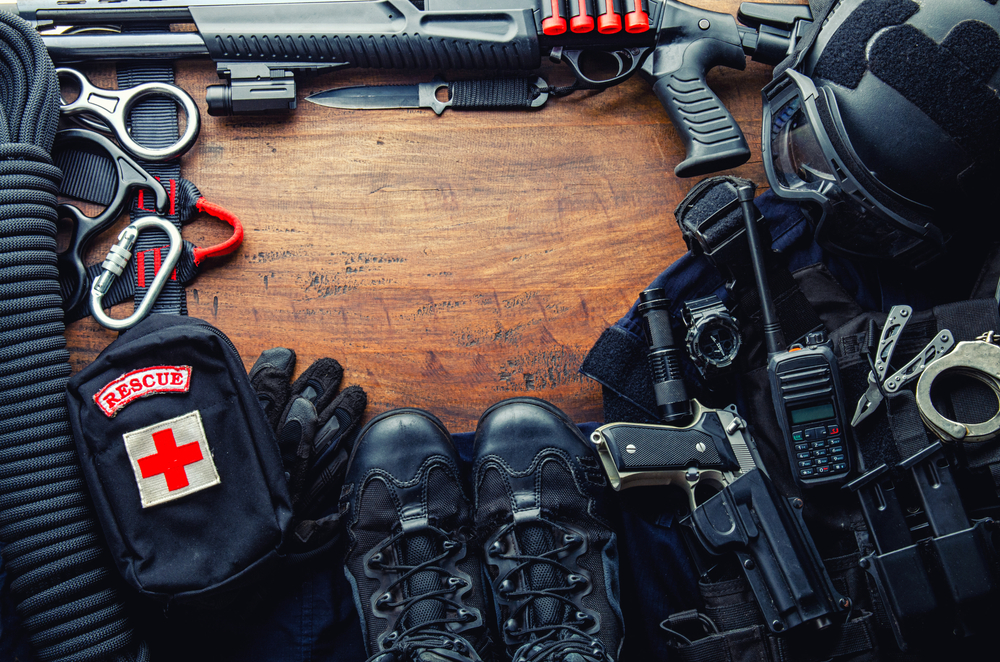
The contents of a police patrol bag change with the job, the climate, and the officer. Mine have also changed as I’ve gained experience.
The short version is this: I want water, food, medical equipment, spare clothing, power, basic tools, paperwork, and a few personal items within reach. Weapons, ammunition, restraints, recording equipment, and medical gear must always follow department policy and training. A patrol bag is not an excuse to carry everything you can buy online.
If you’re a rookie, start with the items your field training officer and department require. Then add the small things you repeatedly miss during a shift. That is how a useful duty bag develops.
This is a starting point, not a universal packing list. An officer working city nights in Arizona needs something different from an officer covering rural roads in a Canadian winter.
The bag itself matters too. It should be easy to organize and easy to reach from the driver’s seat without turning the car into a loose pile of equipment. I have a separate guide to choosing a patrol bag for police work.
Food and water are not exciting patrol gear, but they are among the things I notice most when they are missing. A normal shift can become a long one with very little warning.
I used to keep several meals and bottles of water available. You probably do not need three to five military-style MREs for an ordinary shift. Food that stores well, can be eaten quickly, and does not make a mess in the patrol car is usually more practical. Energy bars and nuts work well for me.
Rotate the food and water instead of leaving it in the car indefinitely. Heat and freezing temperatures are not kind to either packaging or taste.
Most of my first-aid equipment was issued by the agency, although I purchased a few extra items. What belongs in the kit depends on your medical training and department policy.
My priorities include disposable gloves, wound dressings, an emergency blanket, medical tape, and properly sourced tourniquets. Medical equipment should be stored where it can be reached quickly—not buried under spare clothes at the bottom of the bag.
Do not carry equipment you have never learned to use simply because it appears on someone else’s checklist. Training matters more than the size of the medical kit. I discuss that in more detail in the tourniquet guide and the article about a police first-aid kit.
Inventory the electronics you actually depend on. A power bank, the correct charging cables, and spare batteries can save a surprising amount of frustration. I also keep a backup flashlight. One light can fail, disappear, or run out of power at exactly the wrong time.
A full-size toolbox does not belong in the patrol bag, but a small tool kit can. I have carried pliers, screwdrivers, an adjustable wrench, and other simple tools. A multitool is easier to carry and covers many of the same small jobs. I have written separately about multitools for police officers.
A folding knife can also be useful as a tool, particularly if it includes a seat-belt cutter or glass breaker. Carrying and using one must comply with local law and agency policy. My police knife guide explains what I look for.
If there is one part of my uniform that gets dirty and wet, it is my footwear. Spare socks are worth the tiny amount of space they occupy. The last thing I want is a nine-hour shift with soggy socks and wet shoes.
Depending on the season, I may also pack gloves, a warm layer, rain protection, or hand warmers. Officers working in cold weather will understand why I consider hand warmers practical equipment rather than a luxury.
A small toiletry bag keeps personal medication, hand sanitizer, a toothbrush, deodorant, and other basic supplies together. This becomes more important when a shift turns into an overnight assignment or a search operation that lasts much longer than expected.
Pens disappear. Keep more than one. I also carry a notebook and the forms or reference cards required for the work I am doing.
Language-identification cards can be useful when you do not share a language with the person you are trying to help. The U.S. government’s I Speak cards are one example. A card does not replace a qualified interpreter, but it can help identify the language you need.
Recording equipment is more complicated. Some officers are issued body-worn cameras; others are not. A separate voice recorder should only be used when the law and department policy permit it. It is not a casual backup for ignoring body-camera rules. If recording is part of your work, read my article about voice recorders for police.
Ammunition, restraints, defensive tools, and other duty equipment are not universal recommendations. Carry only what you are authorized, trained, and expected to carry.
I like having two pairs of handcuffs. That gives me a backup and the ability to restrain two people without improvising. I have carried both hinged and chain cuffs because they behave differently, but the exact choice comes down to training and preference. See the guide to different types of handcuffs for a fuller comparison.
The same principle applies to OC spray and other defensive tools: agency policy first. They should be inspected, stored securely, and carried where they are accessible—not tossed loosely into a bag. My broader police gear list covers the equipment normally carried on the officer rather than stored in the patrol bag.
Not everything in a patrol bag needs to look tactical. I have had partners who carried small pieces of art made by their children or a good-luck charm from their family. Some carried a religious medal. I kept a picture of my family in my wallet.
I have also carried cigarettes even though I do not smoke. You would be surprised how much a cigarette can calm a stressed person and make a difficult conversation easier. That is an observation from my own work, not a recommendation for every officer. Local rules, the person’s age, the setting, and basic judgment obviously matter.
Chewing gum, sunglasses, reading glasses, sunscreen, and a few cleaning wipes are less memorable, but I have reached for them more often than many pieces of “tactical” equipment.
The best patrol bag contents are useless if you cannot find them. I keep emergency items in the same place every time and separate food, medical equipment, tools, clothing, and paperwork. Heavy items stay low, sharp items stay covered, and anything sensitive is secured according to policy.
I also empty the bag occasionally. Expired food, flat batteries, dried-out wipes, old paperwork, and equipment I never use have a habit of accumulating.
My final advice is simple: pack for the work you actually do. Start with department requirements, add what experience teaches you, and remove what is only there because someone online called it essential.
Compare four radio holsters and pouches for police duty belts and outer carriers, including Zero9, Bianchi, 5.11 and…
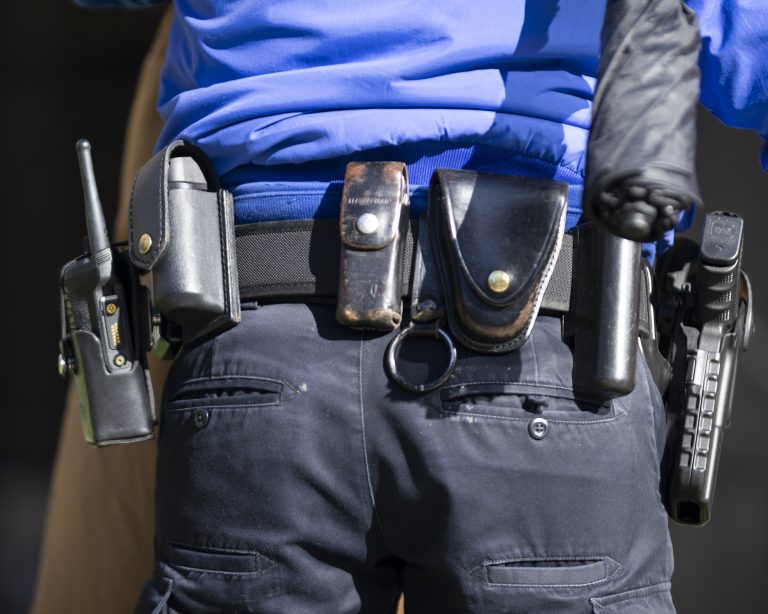
Compare four of the best law enforcement duty belts for police officers, including Bianchi, 5.11 and Condor options.…
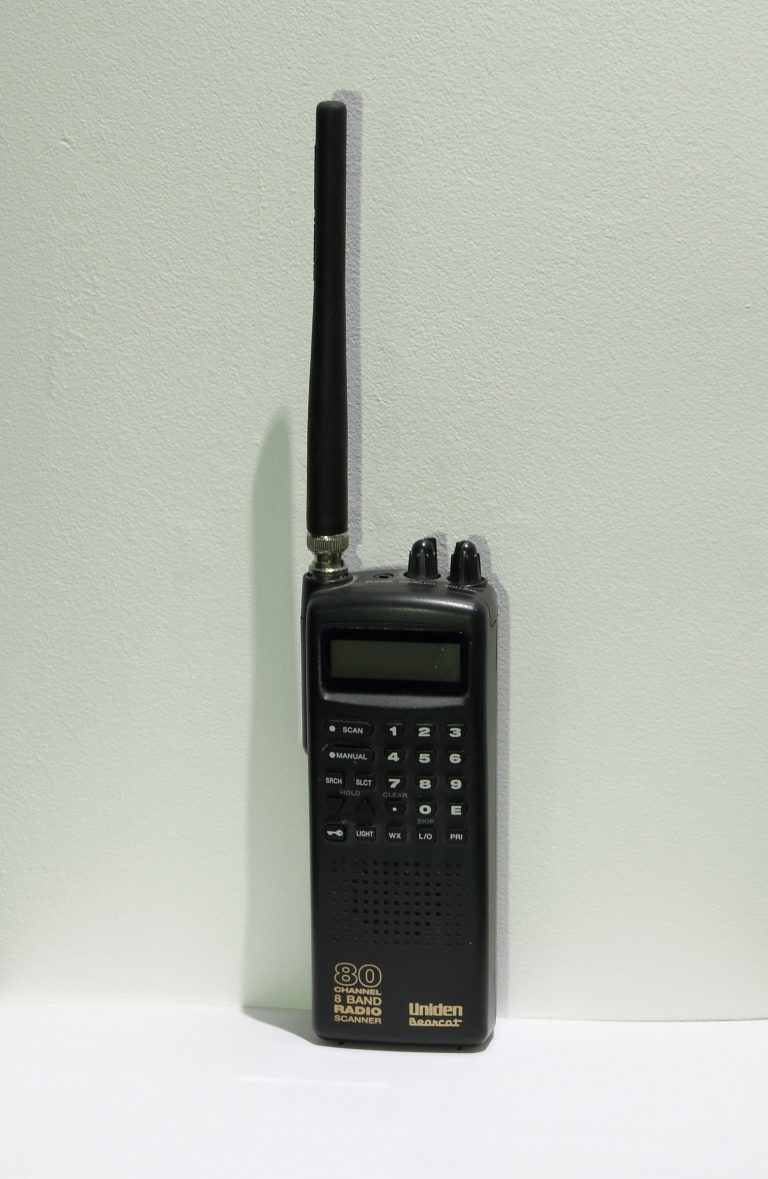
The best police scanners depend on your local radio system. Compare six current digital and P25 scanners, including…