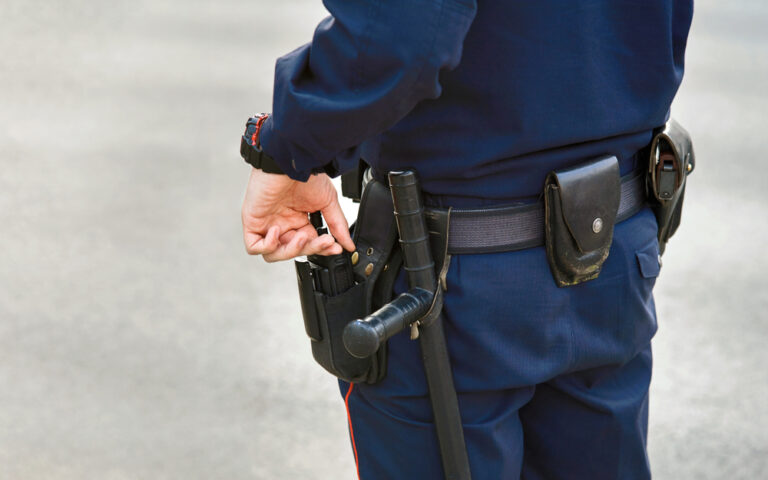
4 Best Radio Holsters for Duty Belts (Police Picks 2026)
Compare four radio holsters and pouches for police duty belts and outer carriers, including Zero9, Bianchi, 5.11 and…

There is no reliable national number for how many lives police officers save in a year. The United States does not maintain one database that counts every life saved by police first aid, overdose response, suicide intervention, rescue, violent-incident response or crime prevention.
That does not mean police never save lives. It means the exact annual total cannot be calculated honestly from the data we have. The strongest evidence comes from specific programs and incidents where the intervention and outcome were actually recorded.
A national total would require a consistent definition of a “life saved” and reporting from thousands of agencies. Neither exists. Some interventions are easy to document, such as naloxone administration or CPR. Others are counterfactual: if an officer separates people during a violent incident, stops an impaired driver or interrupts a suicide attempt, we usually cannot know with certainty what would have happened without the intervention.
That is why individual rescue stories or search-result counts should not be turned into a national estimate.
We do have useful evidence from specific programs. A New York State study of 9,133 police naloxone administrations from 2015 through 2020 reported survival in 87.4% of cases. Police arrived before EMS in 85.9% of the incidents. The study supports the conclusion that trained officers can provide time-sensitive lifesaving overdose care, but those survival figures should not be read as 7,981 lives that would certainly have been lost without police intervention.
See the peer-reviewed study in PubMed.
Car accidents: Police officers often arrive fast at car accident scenes where people are injured.
The officers will then treat the patients until the other first-responders arrive, like paramedics.
Violent incidents: When there is a physical fight between people, cops will come. If it wasn’t for the fact that the police officers arrived, some of the victims could have been killed.
Domestic violence and violent incidents: Officers may separate people, provide emergency aid, arrest when the legal grounds exist and connect victims with additional services. The circumstances vary widely, so it is not possible to assign a national “lives saved” number to these responses.
Accidents and medical emergencies: Officers sometimes arrive before EMS at crashes, falls, shootings, overdoses and other emergencies and can begin basic lifesaving measures within the limits of their training.
Often occasions, police officers find severely injured persons and start treating them.
During crime investigation: Often, the police officers investigate criminal cases that lead to arrests. Arresting a violent criminal or a killer might save future lives.
Opioid overdoses: Many U.S. law-enforcement agencies equip officers with naloxone. A nationally representative survey published in 2023 found that 81.7% of responding law-enforcement agencies reported equipping officers with naloxone.
Naloxone can temporarily reverse an opioid overdose and buy time until definitive medical care arrives. The evidence is strong enough to show that police naloxone programs can save lives, but the number of administrations is not the same as a national count of lives that would otherwise have been lost.
Stopping drunk drivers: How many times does the police stop drunk drivers? Each of those drivers is a danger in the traffic. The damage potential of a car driver out of control is enormous.
Prevention: Some police activity is intended to prevent violence before it occurs. Measuring the number of deaths prevented is much harder than counting a documented medical intervention because the outcome that did not happen cannot be observed directly.
Investigations and arrests: Police investigations can stop ongoing violent offending, but it would be misleading to assume every arrest prevented a death. Those effects require broader research rather than anecdotal counting.
The use of intelligence: Police officers often know when and where crimes might happen because of their intelligence. Positioning patrol cars and police officers at the right spots or planning arrests based on intelligence might save lives.
Suicide attempts: Law enforcement officers often respond to suicidal persons. They talk them down and sometimes physically stop them from taking their own life.
Policing can also involve uses of force and other outcomes that cause serious injury or death. Those outcomes matter, but subtracting one count from another still would not produce a reliable national “net lives saved” figure because the two datasets are not measured in comparable ways.
The narrower question here is whether we can count documented lifesaving police interventions nationwide. At present, the answer is no: there is no comprehensive national reporting system designed for that purpose.
That limitation is why this article focuses on measurable examples rather than trying to produce a number that the available evidence cannot support.
By being well trained.
By being dedicated to their work.
By being human just like anyone else.
Many wonder if the police do CPR or if cops are medically trained.
Let me be clear:
First-aid and CPR requirements vary by jurisdiction and agency. As one example, California POST requires recurring First Aid/CPR/AED training for covered peace officers and publishes specific public-safety first-aid training standards.
First-aid is one of many crucial police officer skills.
Of course, not as much as it is for EMTs and paramedics.
But it’s often enough to keep a person alive until the health professionals arrive.
Patrol vehicles and officers may carry first-aid equipment such as gloves, trauma supplies, AED access or naloxone depending on the agency. Our police first-aid kit guide covers common equipment without assuming every department issues the same kit.
When officers encounter a medical emergency, their role is shaped by their training, local law and agency policy. The immediate priorities are typically to summon EMS, make the scene safe and provide the emergency care they are trained and equipped to give.
Police are only one part of the emergency-response system. EMS, firefighters, dispatchers, healthcare professionals and bystanders often contribute to the same survival outcome, which is another reason attribution to a single responder is difficult.
For evidence on overdose response, see the peer-reviewed New York State police naloxone study and the national survey of law-enforcement overdose-response programs. For one current example of police medical-training requirements, see California POST refresher-training requirements.
The focus of this article is on the police.
But let’s not forget the other first-responders saving lives. Paramedics, doctors, nurses, firefighters, etc.
Civilians also save lives.
Just because they were present and did something to help.
Civilians stop crimes as well.
There are surprisingly many people around the world who are everyday heroes and help save lives.
There is no defensible national annual total.
Police officers do perform documented lifesaving interventions, including overdose reversal, first aid, CPR, bleeding control, rescue and intervention during violent or suicidal crises.
What we cannot do from the available data is turn those interventions into one U.S. number or claim that every documented survival was caused by police alone.
The most accurate answer is therefore narrower than the original question: police save lives in identifiable cases, but the annual national total is unknown.
That uncertainty is not a criticism of police work. It is simply a limitation of the data.
Where agencies do collect intervention-level data, those records are more useful than anecdotes for understanding what officers actually contribute.
For overdose response specifically, the New York State data provide one of the clearest large examples of measurable police lifesaving activity.
For first aid and CPR, training requirements also differ by jurisdiction. California POST, for example, requires periodic First Aid/CPR/AED refresher training for covered peace officers.
That kind of specific, sourced evidence is a better basis for this question than a national number that no authoritative dataset actually provides.
If a reliable nationwide reporting system is created in the future, this answer can become more precise.
Bottom line: police do save lives, but nobody can honestly give you a verified U.S. total per year.
If you consider becoming a law enforcement officer yourself, see our article about if YOU should become a cop
Compare four radio holsters and pouches for police duty belts and outer carriers, including Zero9, Bianchi, 5.11 and…
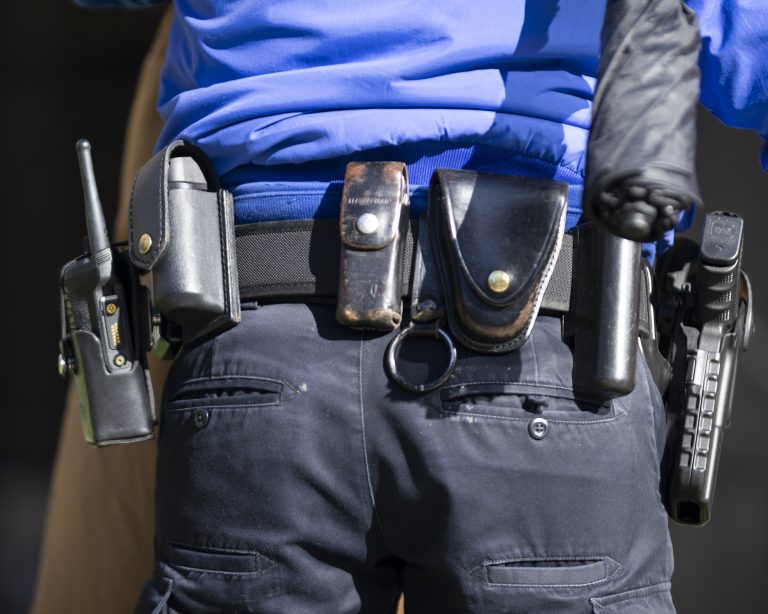
Compare four of the best law enforcement duty belts for police officers, including Bianchi, 5.11 and Condor options.…
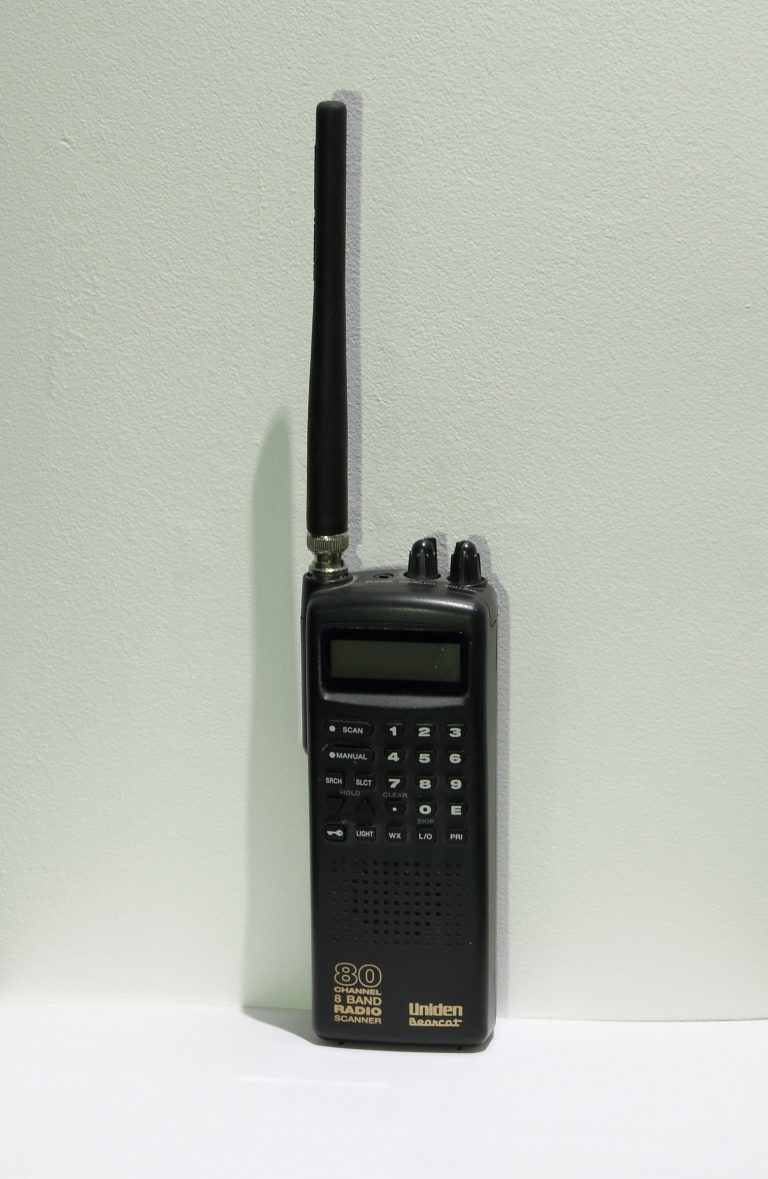
The best police scanners depend on your local radio system. Compare six current digital and P25 scanners, including…