4 Best Radio Holsters for Duty Belts (Police Picks 2026)
Compare four radio holsters and pouches for police duty belts and outer carriers, including Zero9, Bianchi, 5.11 and…

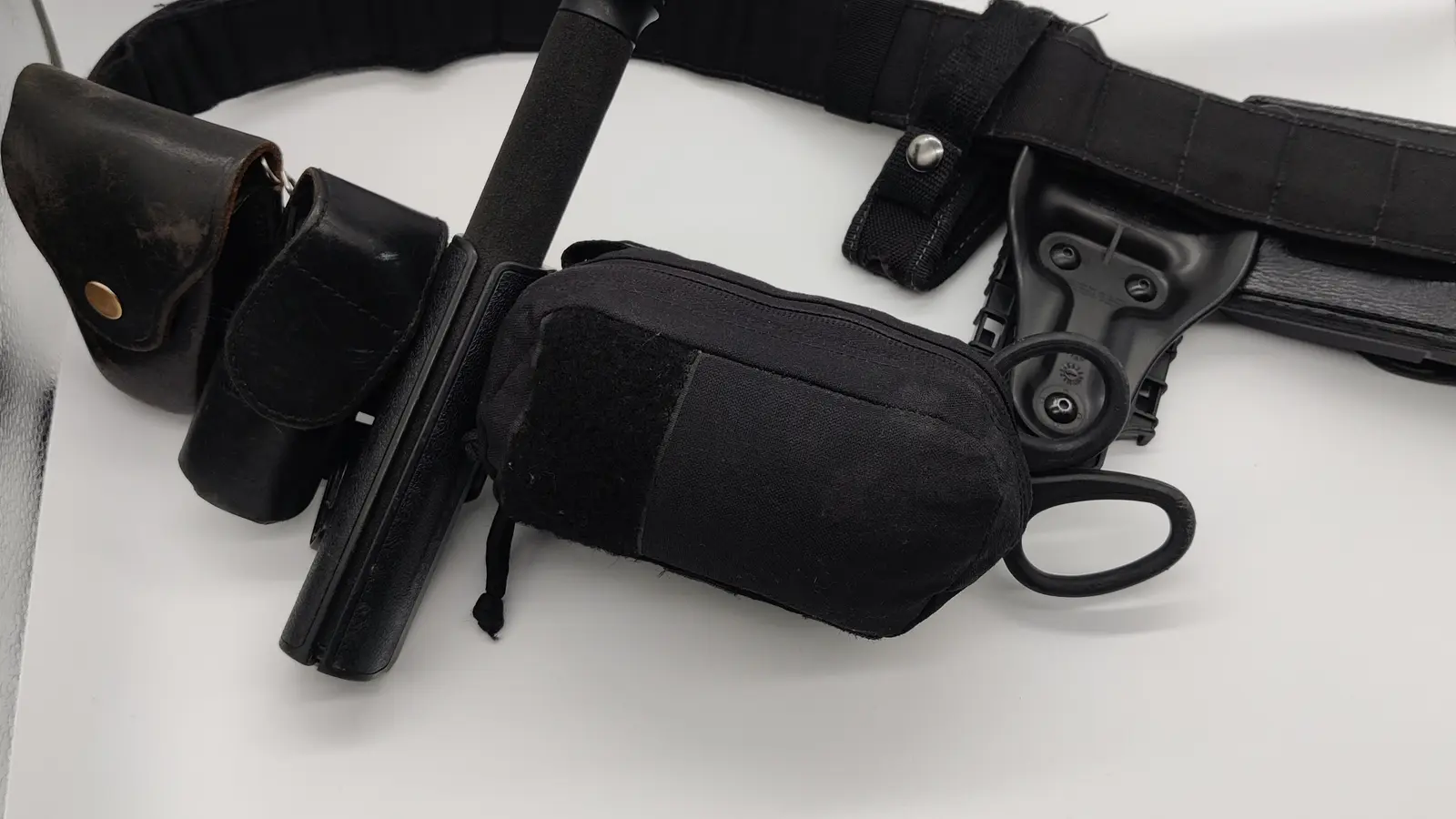
Police officers carry a surprising amount of equipment, but there is no single loadout that fits every job. A rural officer with miles of country road between them and backup has different needs from an officer working in Manhattan or LA, where help may be available within minutes.
Department policy decides what is issued and what an officer is allowed to carry. The practical question is also where the gear goes. In my case, I have some equipment on my body, some in my bag, and some in my patrol car. The list below covers 17 common items and the job each one does.
…which means that these critical tools need to be lightweight, robust, and compact.
This leads me to the following question:
Well, that’s a great question! Below I will try to answer what that with this list of basic police gear:
It all depends on where you work, what your police district requires of you, and what kind of work you do. Below you’ll find what I think is an essential police gear list.
However, there is a world of difference between the equipment needs of officers who work in rural areas with miles of country road between them and backup, and officers who work in Manhattan or LA where help is available within minutes.
There are definitely officers out there who have to tote around more equipment than they should and they could probably do with less.
No matter where you work or what exactly your job entails, you’ll always need a few essentials with you each time. In this article, I’ll talk you through these, in my opinion, absolute necessities. In my case, I have some equipment on my body, my bag, and in my patrol car.
If the radio is staying on the belt rather than an outer carrier, our police radio holster guide compares belt-loop, Tek-Lok and MOLLE options.
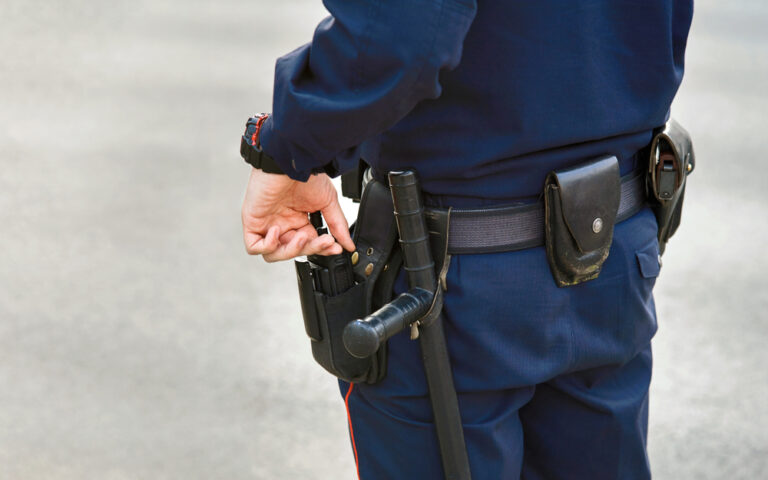
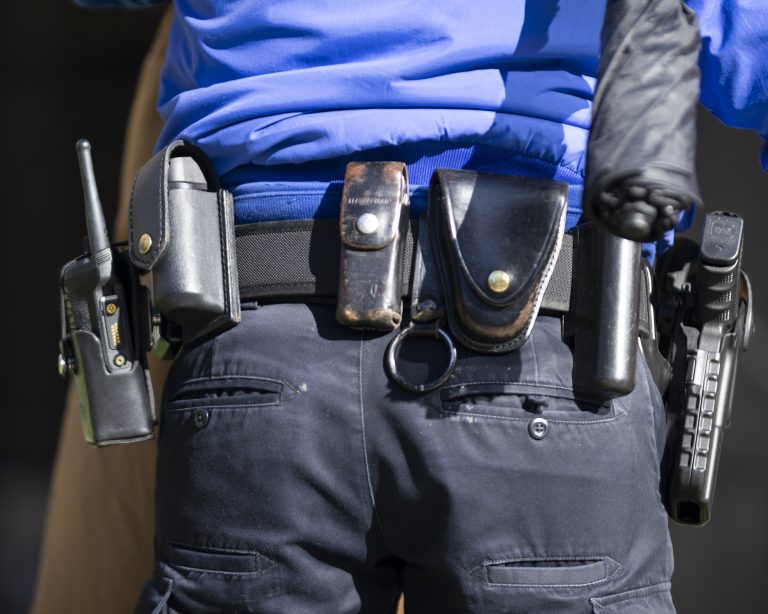
A sturdy belt designed to hold various essential tools and equipment securely, keeping them within easy reach during operations. If you are choosing the belt itself, see our best law enforcement duty belts guide for current Bianchi, 5.11 and modular options.
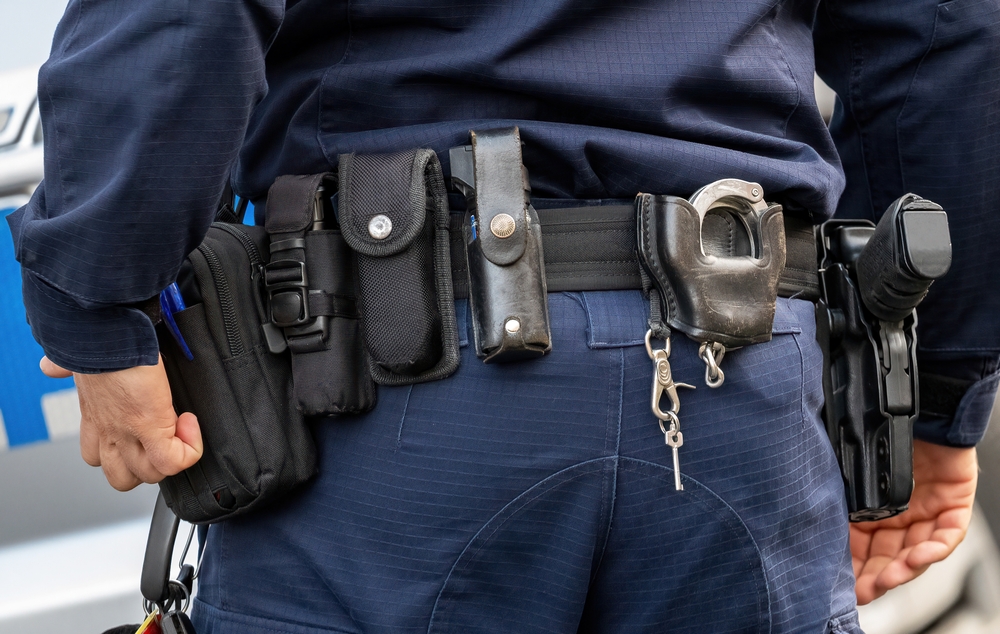
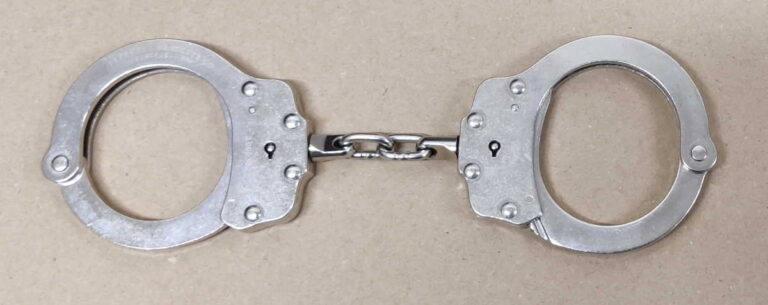
Used to restrain suspects by securing their wrists, ensuring they cannot escape or cause harm to others.
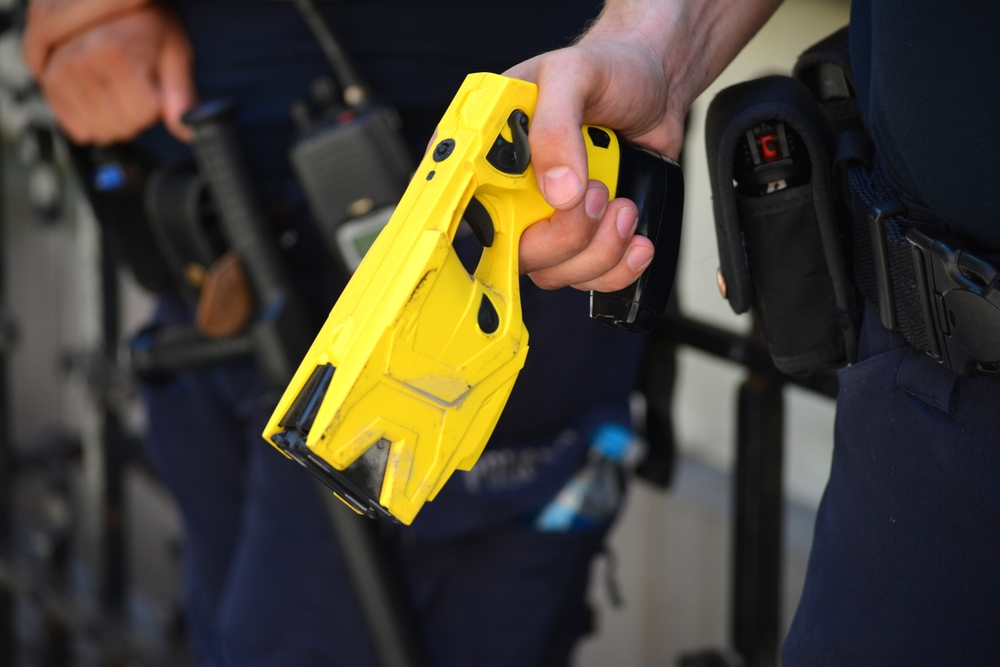
A less-lethal tool designed to create temporary neuromuscular incapacitation. It is not the same thing as a contact stun gun, and its use is governed by department policy.
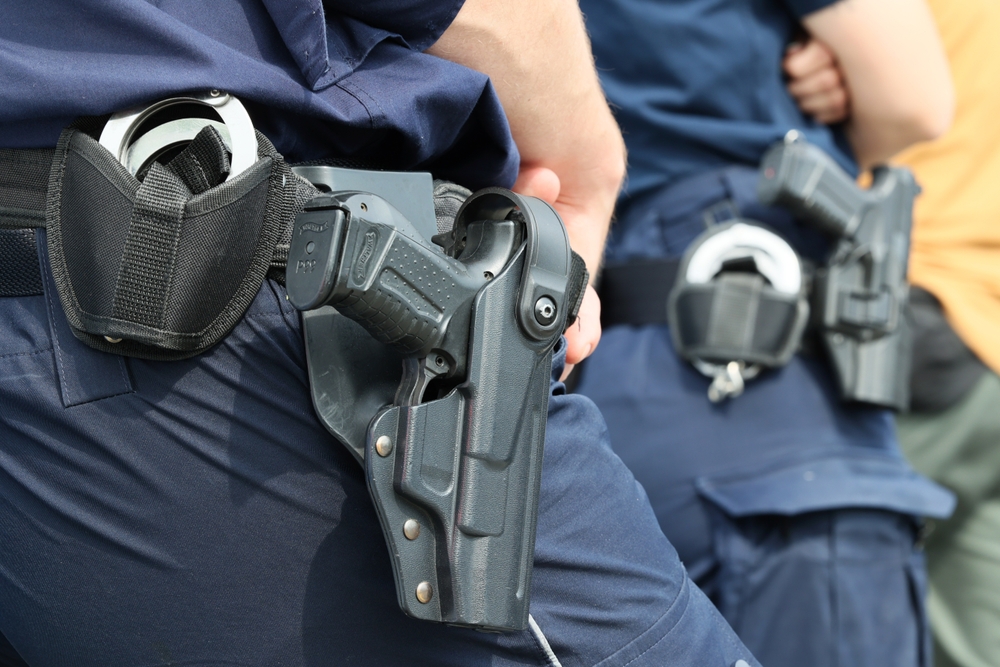
A sidearm or handgun that serves as the officer’s primary weapon for self-defense and controlling dangerous situations.
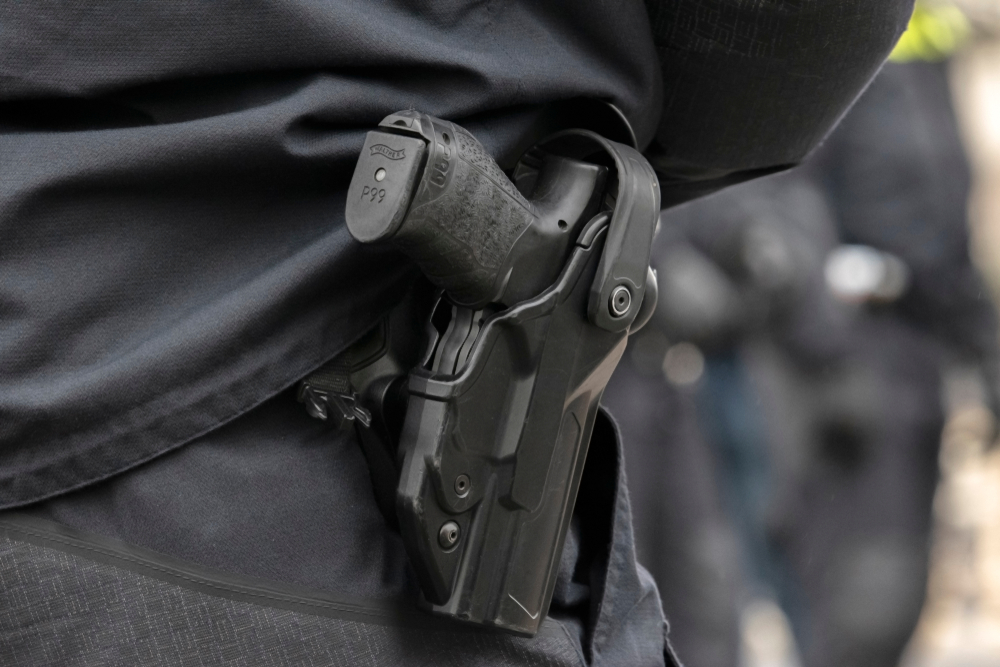
A secure, easily accessible carrier for an officer’s firearm, typically worn on the duty belt, designed to safely hold the gun while ensuring it can be drawn quickly when needed for self-defense or law enforcement duties. Officers who carry a spare magazine also need a carrier that balances access and retention; our comparison of IWB magazine carriers covers several concealed-carry options.
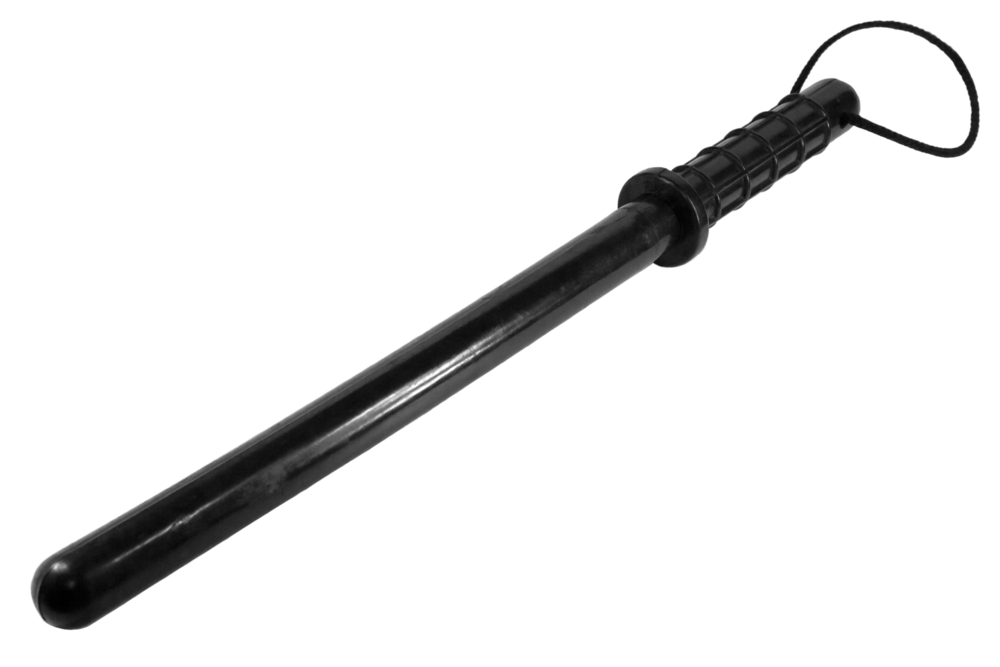
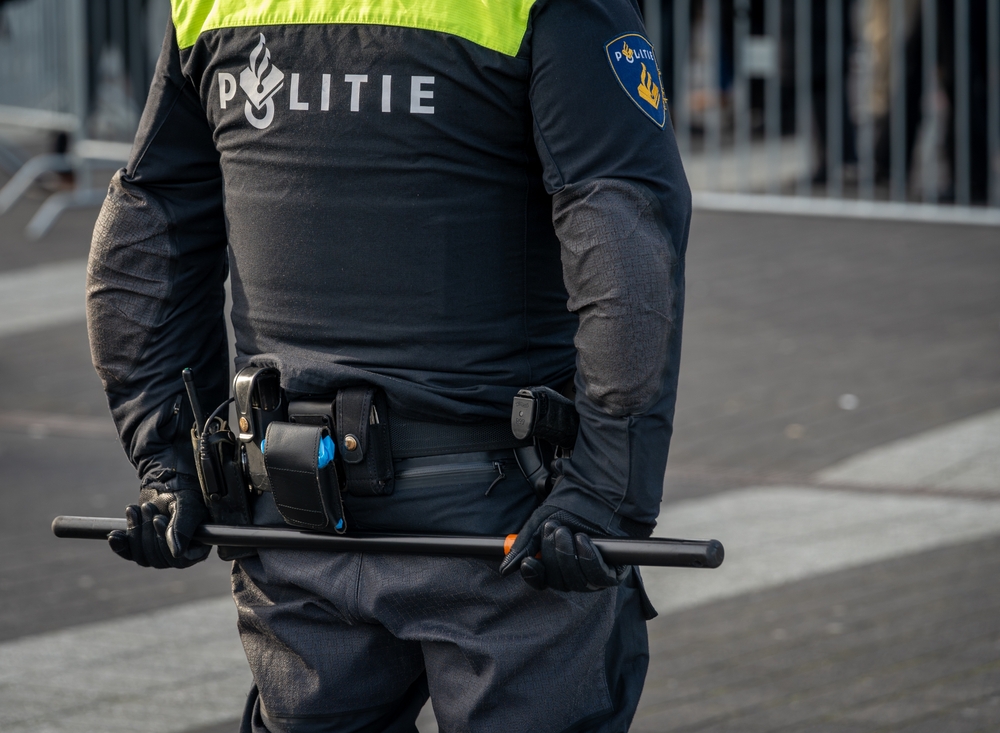
A retractable or fixed baton used for self-defense or crowd control, enabling officers to subdue suspects without using deadly force.
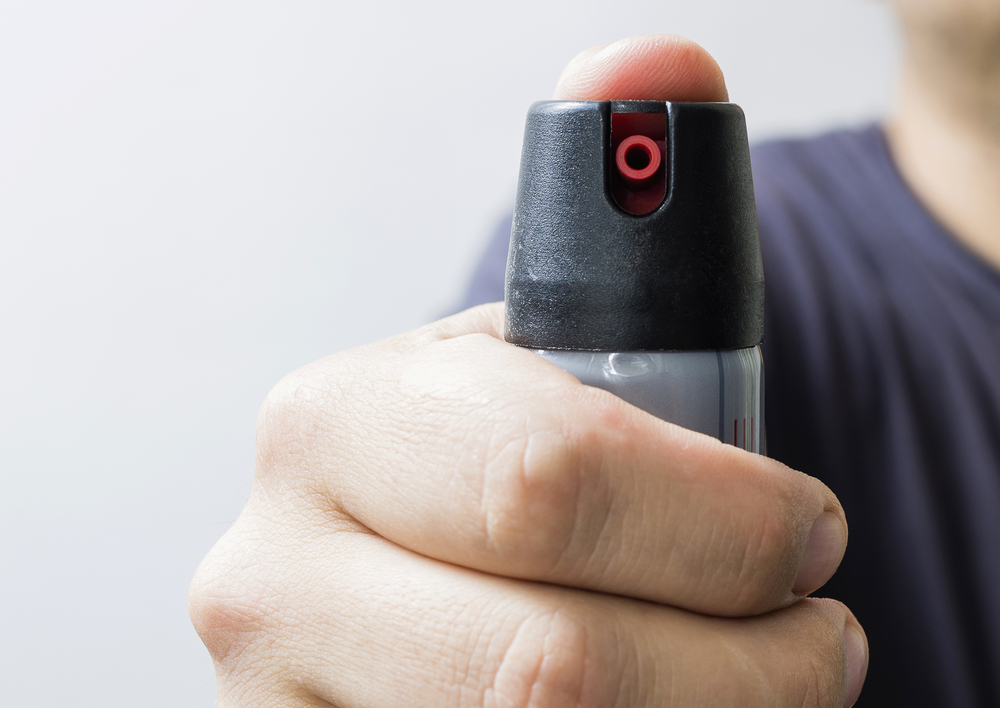
A chemical irritant that temporarily incapacitates a suspect by causing intense irritation to the eyes, nose, and throat, allowing for safe apprehension.
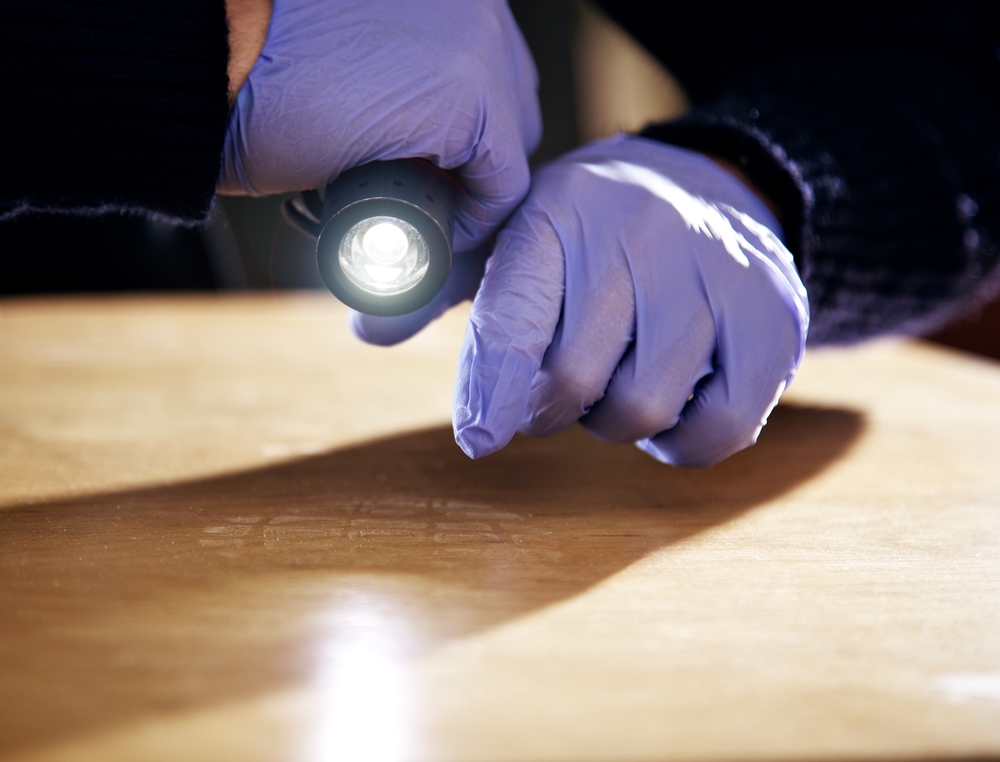
A high-powered flashlight to illuminate dark areas and identify potential threats during nighttime or low-visibility situations.
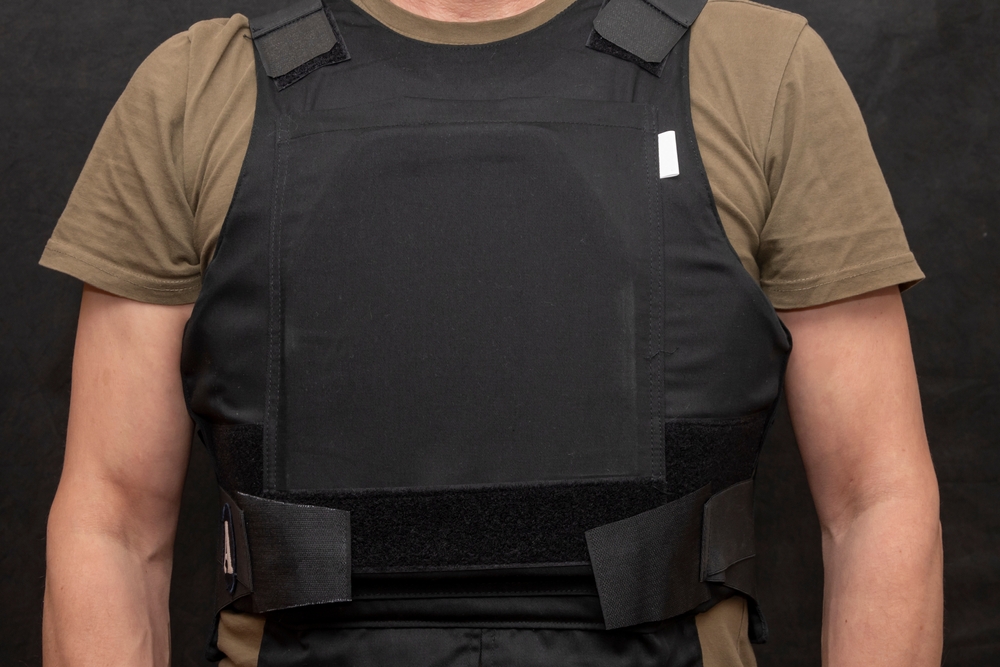
Body armor is better described as bullet-resistant than bulletproof. Its protection level depends on the vest and panels; some officers also use separate protection against edged weapons.
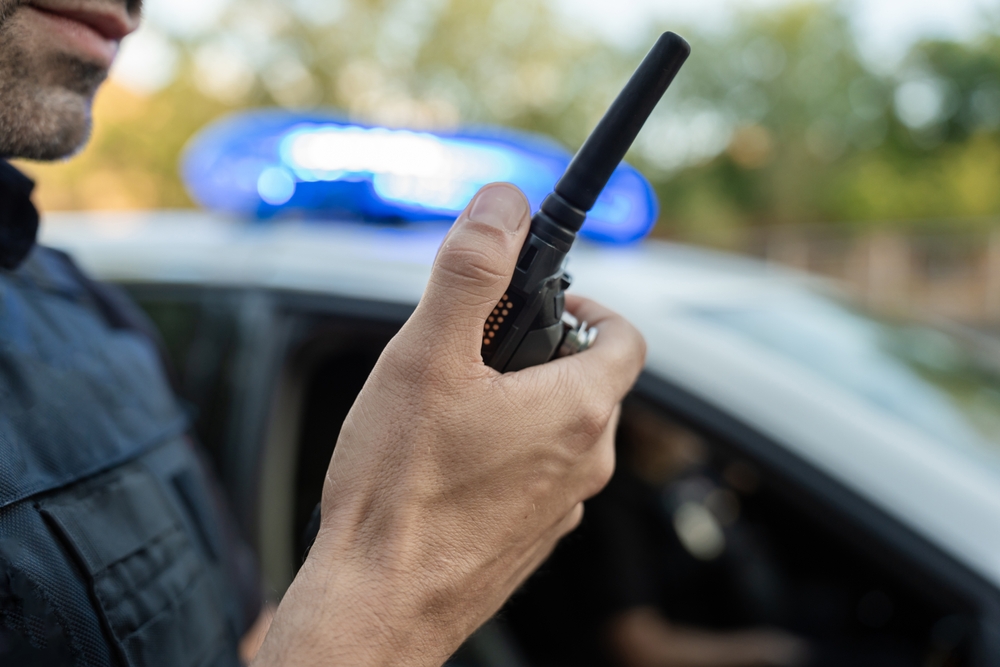
A communication device that enables officers to stay in contact with dispatch, other officers, and emergency responders for coordination. Our guide to what radios police use explains portable and mobile radios, P25, trunking, talkgroups and dispatch systems in more detail. An agency radio is not the same thing as a consumer scanner; if you are listening from the outside, our guide explains when police scanners are legal. Radio codes also vary between agencies, which is one reason the origin of slang such as calling the police “12” is harder to pin down than many websites suggest. Patrol vehicles themselves also vary: some can be ordered with ballistic door panels, while specialist teams use purpose-built armored vehicles; see are police cars bulletproof?
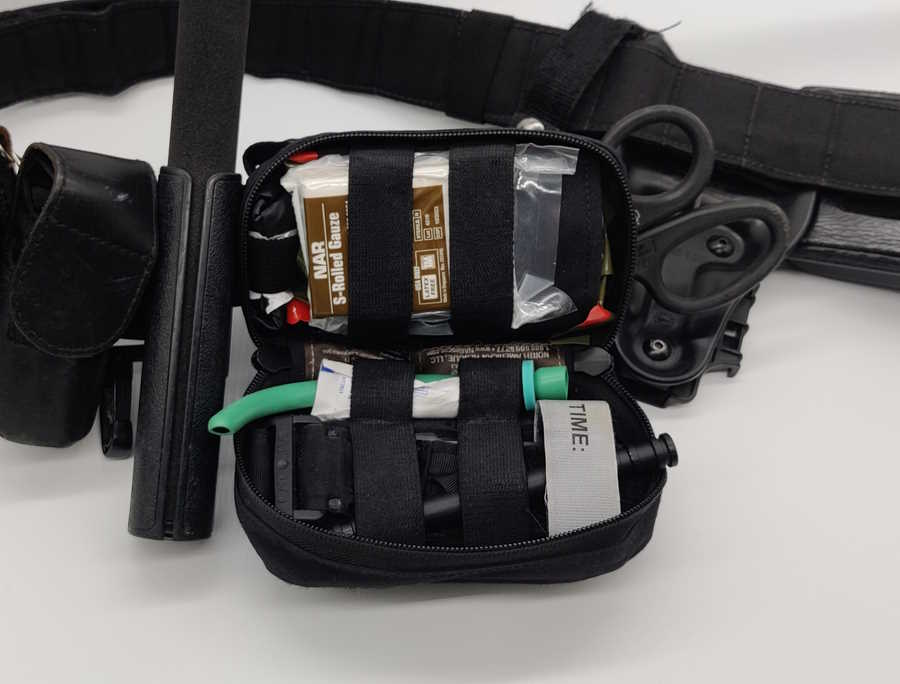
A portable kit containing basic medical supplies to treat injuries at the scene of an incident before professional medical assistance arrives.
Disposable gloves to protect the officer when handling evidence, performing first aid, or engaging in potentially hazardous situations.
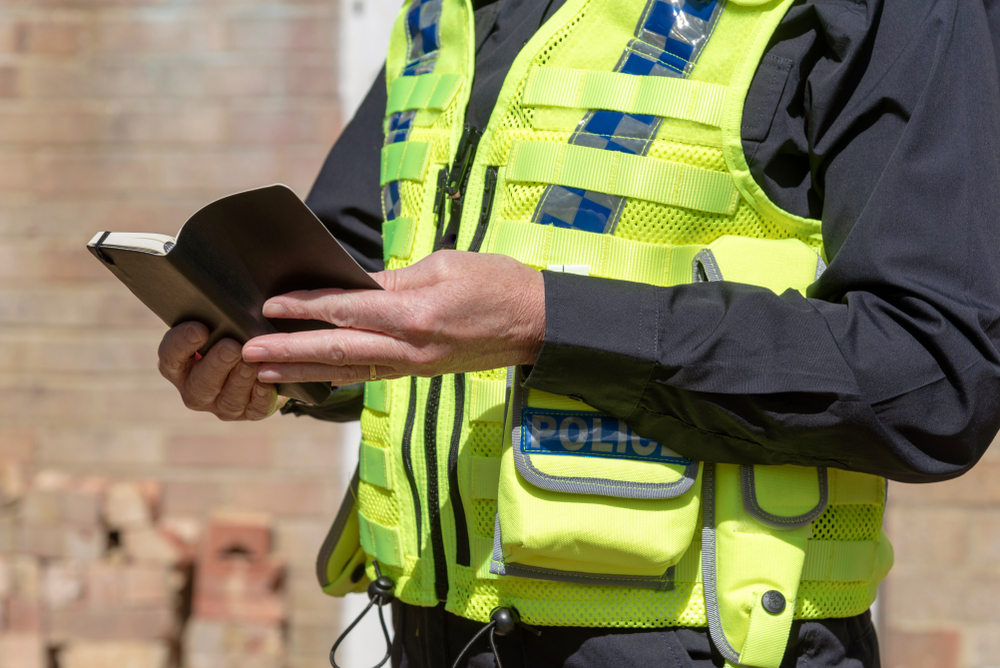
Essential tools for recording information, observations, or statements that may be needed for investigations or reports.
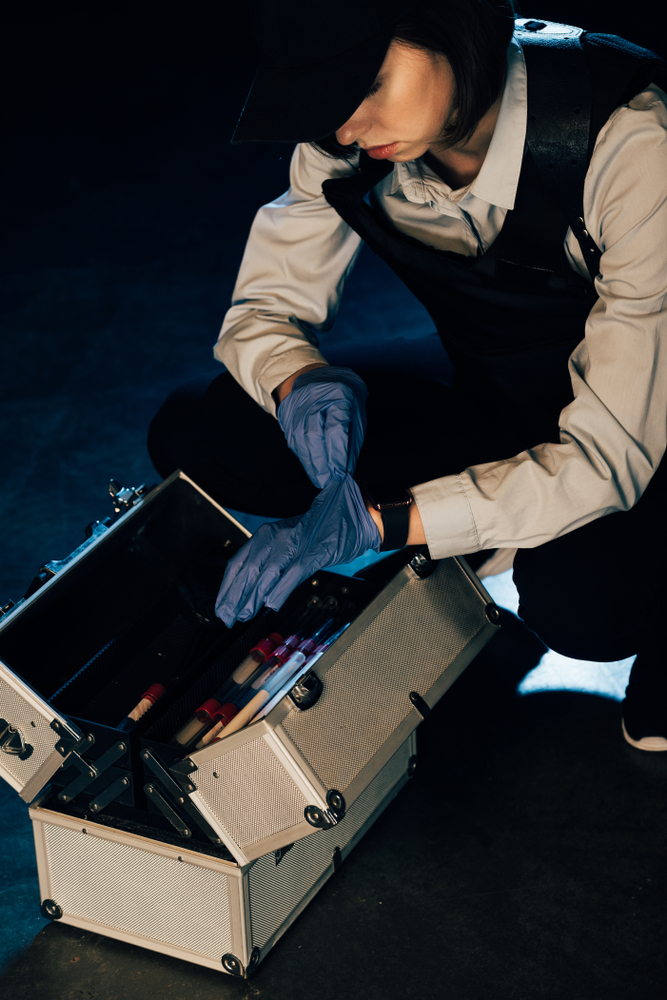
A set of tools used for collecting and preserving evidence from crime scenes, ensuring chain-of-custody and proper documentation.
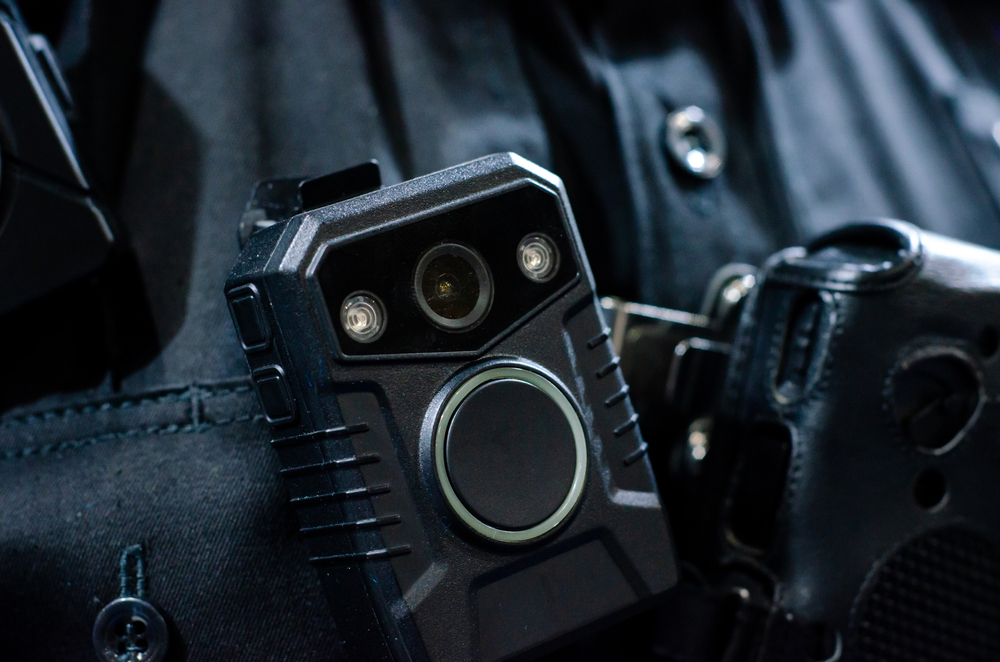
A camera used to record interactions with suspects or gather evidence, ensuring accountability and transparency.
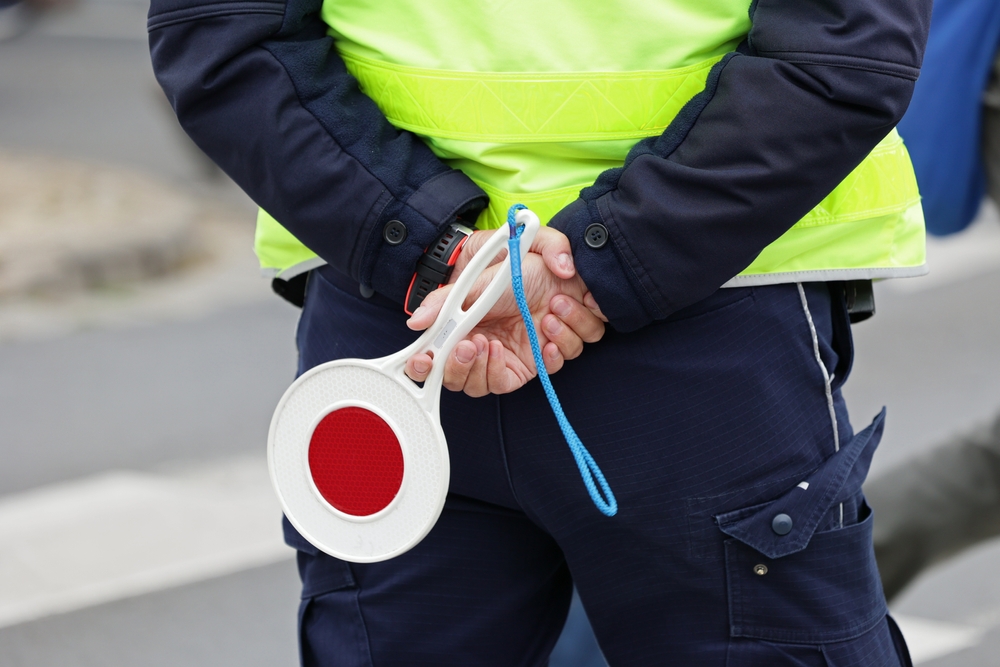
Items like cones or flares that help direct traffic around accidents, crime scenes, or other hazards, ensuring public safety.
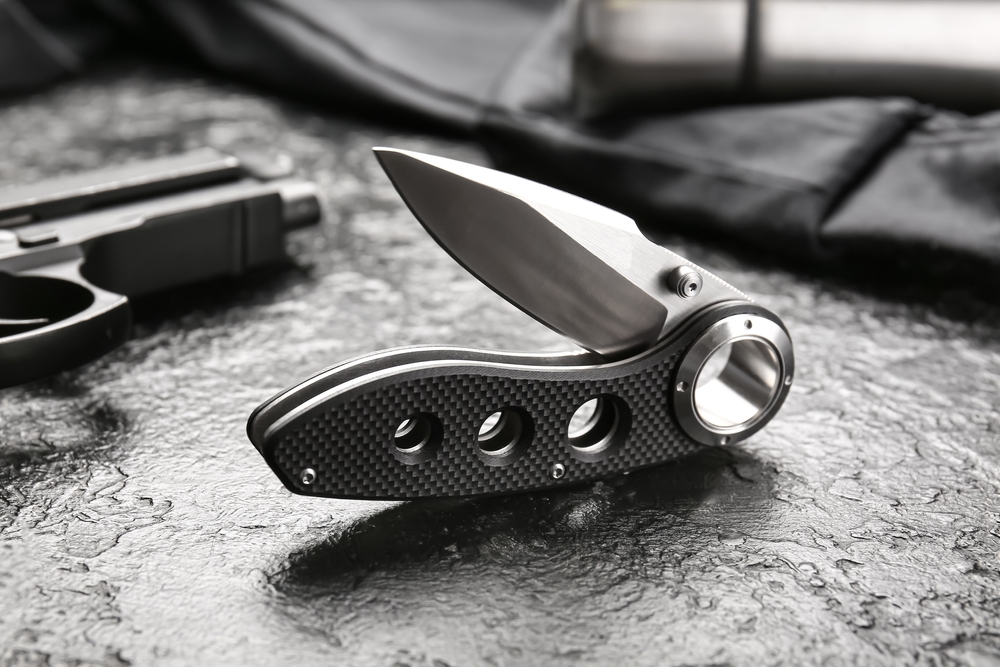
A sharp tool used for cutting tasks, such as cutting through seatbelts, clothing, or packaging during investigations or emergencies. If you are choosing one specifically for duty use, see my tested picks for law-enforcement knives.
The duty belt and vest hold the items that must be reached immediately. A patrol bag is useful for paperwork, spare gloves and less frequently used equipment, while bulky items such as traffic cones and a fuller police first aid kit usually stay in the vehicle. Carrying everything at once is not automatically better; access, weight and department policy matter.
Compare four radio holsters and pouches for police duty belts and outer carriers, including Zero9, Bianchi, 5.11 and…
Compare four of the best law enforcement duty belts for police officers, including Bianchi, 5.11 and Condor options.…
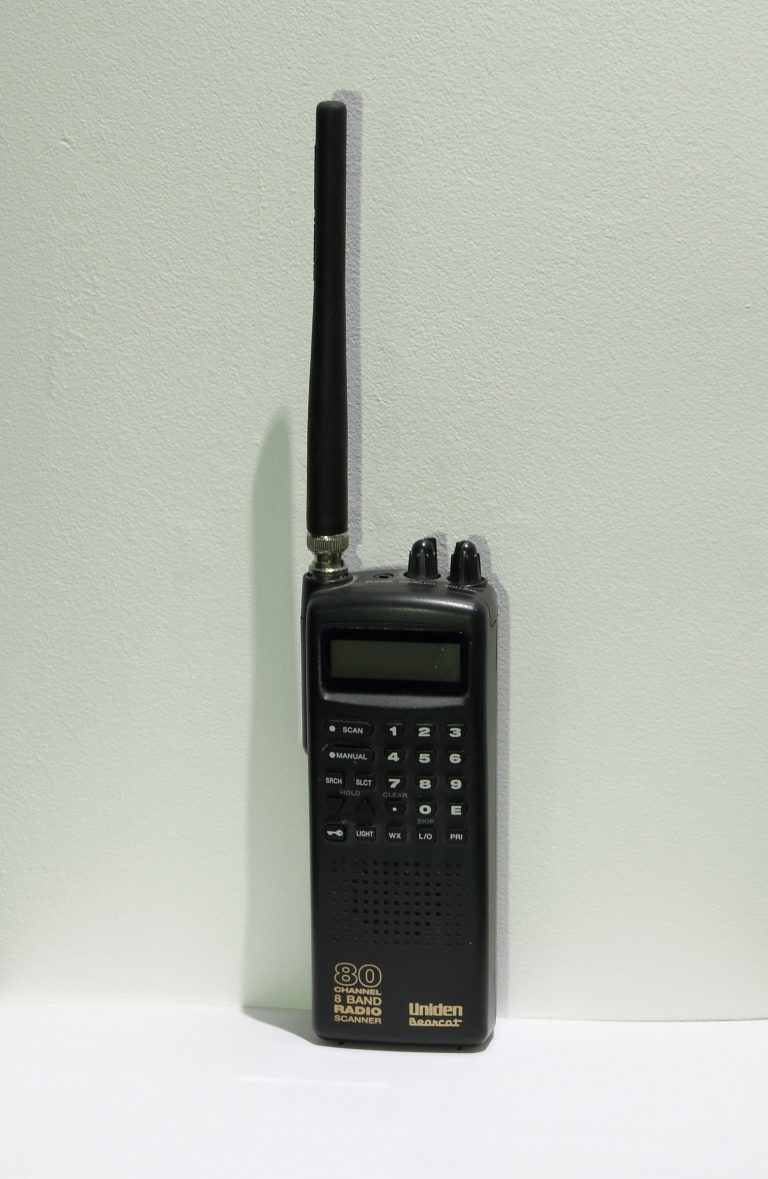
The best police scanners depend on your local radio system. Compare six current digital and P25 scanners, including…