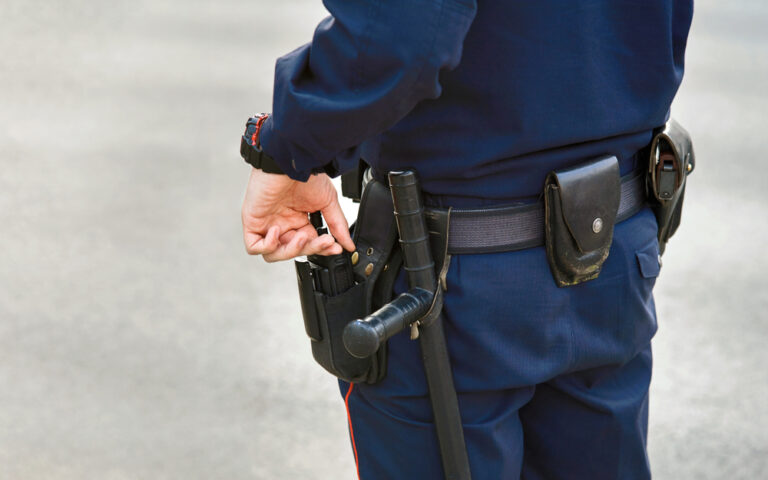
4 Best Radio Holsters for Duty Belts (Police Picks 2026)
Compare four radio holsters and pouches for police duty belts and outer carriers, including Zero9, Bianchi, 5.11 and…

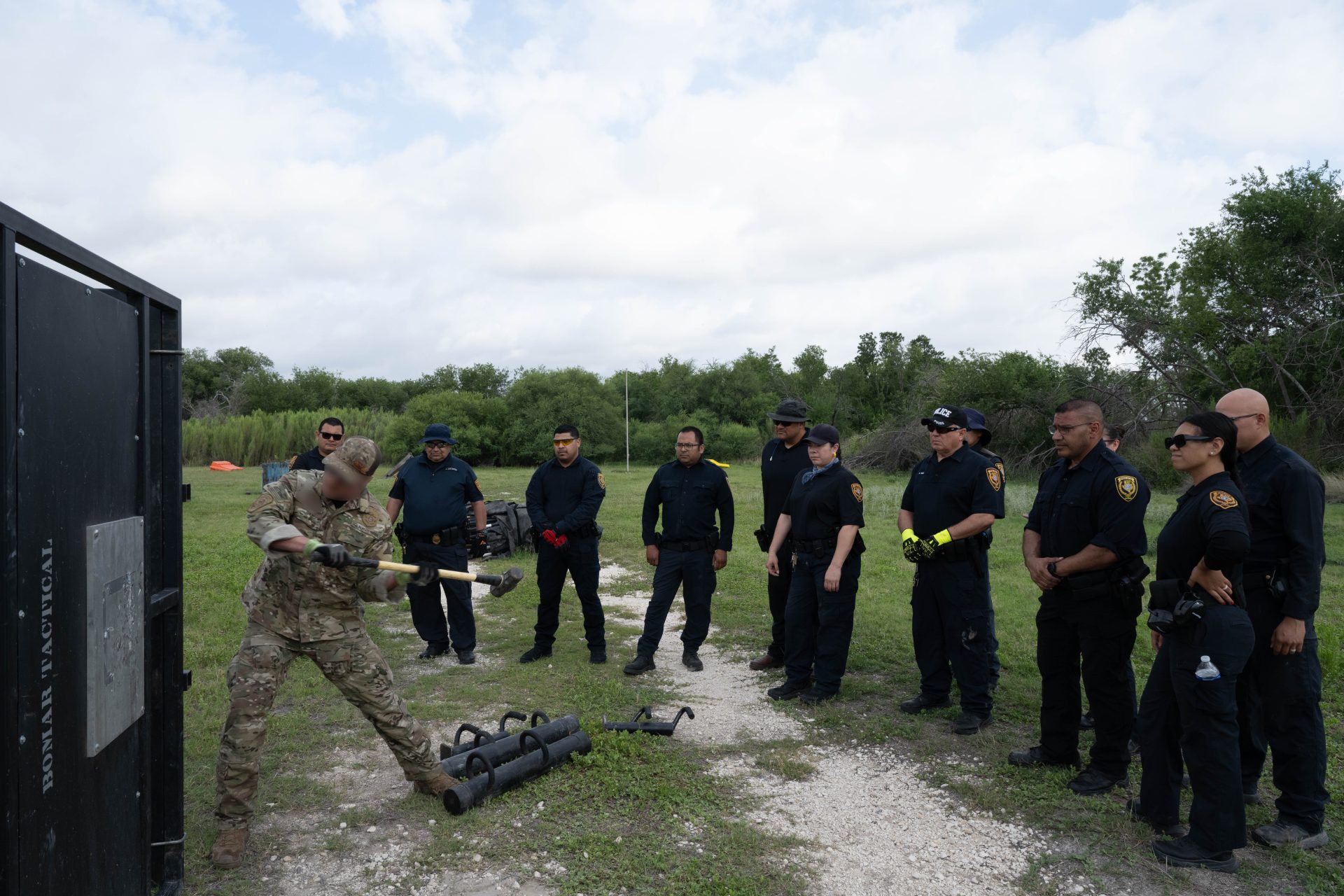
Police academy is hard enough that you should prepare for it, but it is not designed to be impossible. The difficulty comes from having to perform in several areas at the same time: physical training, academics, firearms, defensive tactics, driving, scenario work, inspections and the pressure of being evaluated every day.
People also arrive with very different weaknesses. The recruit who runs easily may struggle with report writing. The strong student may hate defensive tactics. Someone with prior military experience may be comfortable with structure but still find the legal material demanding.
The workload is cumulative. You are not simply trying to pass a fitness test and then move on. You have to learn law and policy, retain procedures, maintain physical standards and demonstrate practical skills while new material keeps arriving.
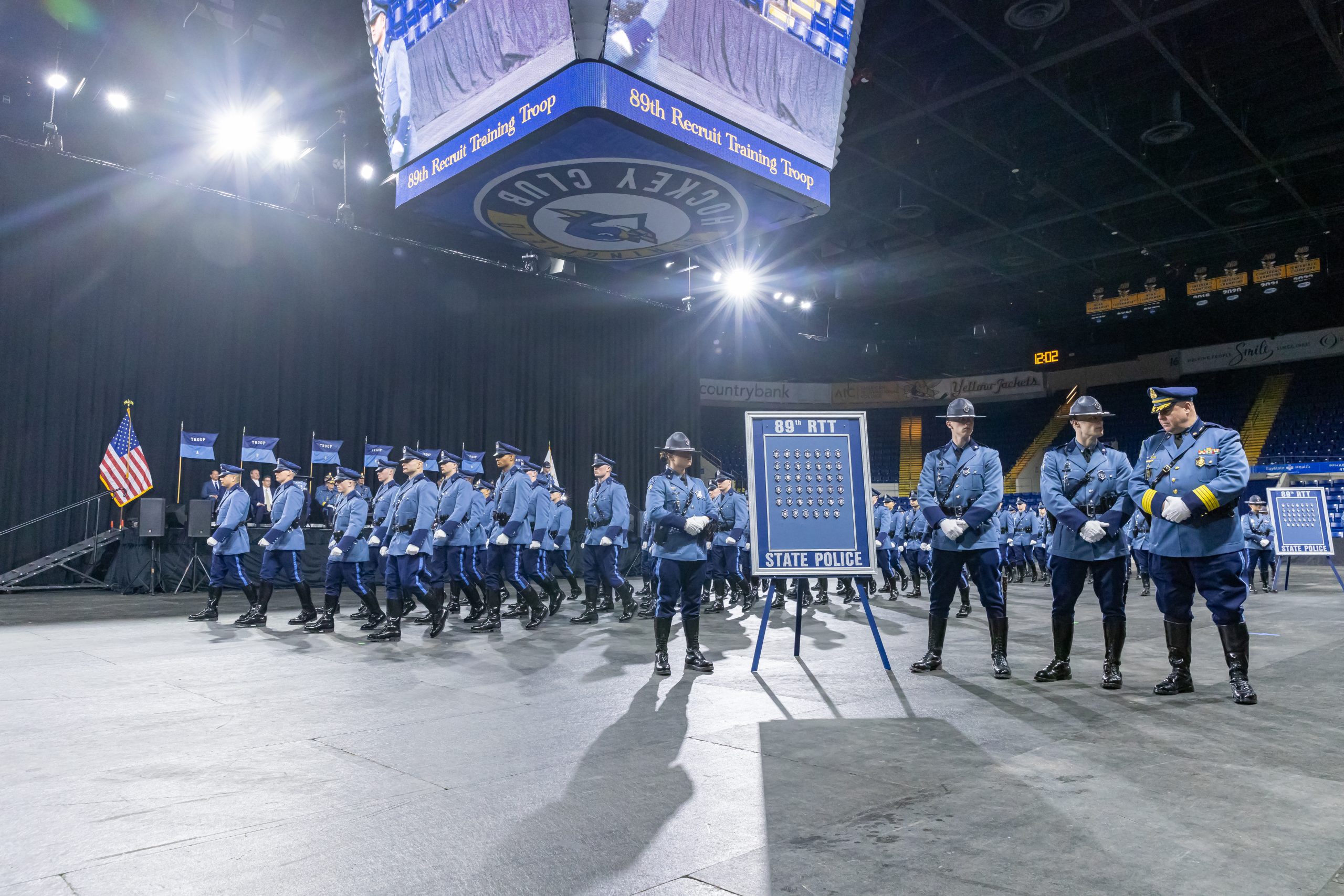
This varies enormously by academy. Some programs have a strongly paramilitary style with frequent running, calisthenics and formation work. Others put less emphasis on punishment-style physical training but still require recruits to meet fitness and practical-skills standards.
If you arrive barely able to meet the entry standard, you leave yourself very little margin for poor sleep, soreness or a bad day. Being comfortably above the minimum is a much better position.
It can be. Recruits may study criminal law, constitutional law, search and seizure, traffic law, use of force, ethics, communication, investigations and department procedures. There can be written examinations as well as practical evaluations.
The volume is often the challenge. A concept that seems simple in a classroom has to be recalled correctly later in a scenario where you are also communicating, observing and making decisions.
That depends on the recruit. Firearms, emergency vehicle operations and defensive tactics all require safe performance under evaluation. Scenario training combines several skills at once and can expose weaknesses that were not obvious in a classroom.
Report writing is another area people underestimate. You have to turn a fast, messy event into a clear written record. Our guide to reading police reports shows why those details matter to everyone who sees the case later.
Yes. Academies and states have their own standards, and recruits can fail academic exams, skills tests, firearms qualifications, fitness requirements or conduct standards. Some failures can be remediated; others can result in dismissal.
The exact rules are academy-specific, so do not assume a story from one department applies to yours.
Start earlier than you think you need to. Build aerobic fitness, basic strength and recovery habits. Get used to studying consistently rather than cramming. Arrive organized and ready to take feedback without turning every correction into a personal argument.
If you are still earlier in the application process, our guide on police hiring process explains where the academy fits into hiring, and our article on police officer skills and qualities covers the abilities departments repeatedly look for.
They are difficult in different ways. Academy training is structured, supervised and deliberately evaluative. Real police work is less predictable and carries consequences that cannot be recreated perfectly in training. The transition is normally handled through a field training or FTO program before a new officer is released to more independent patrol.
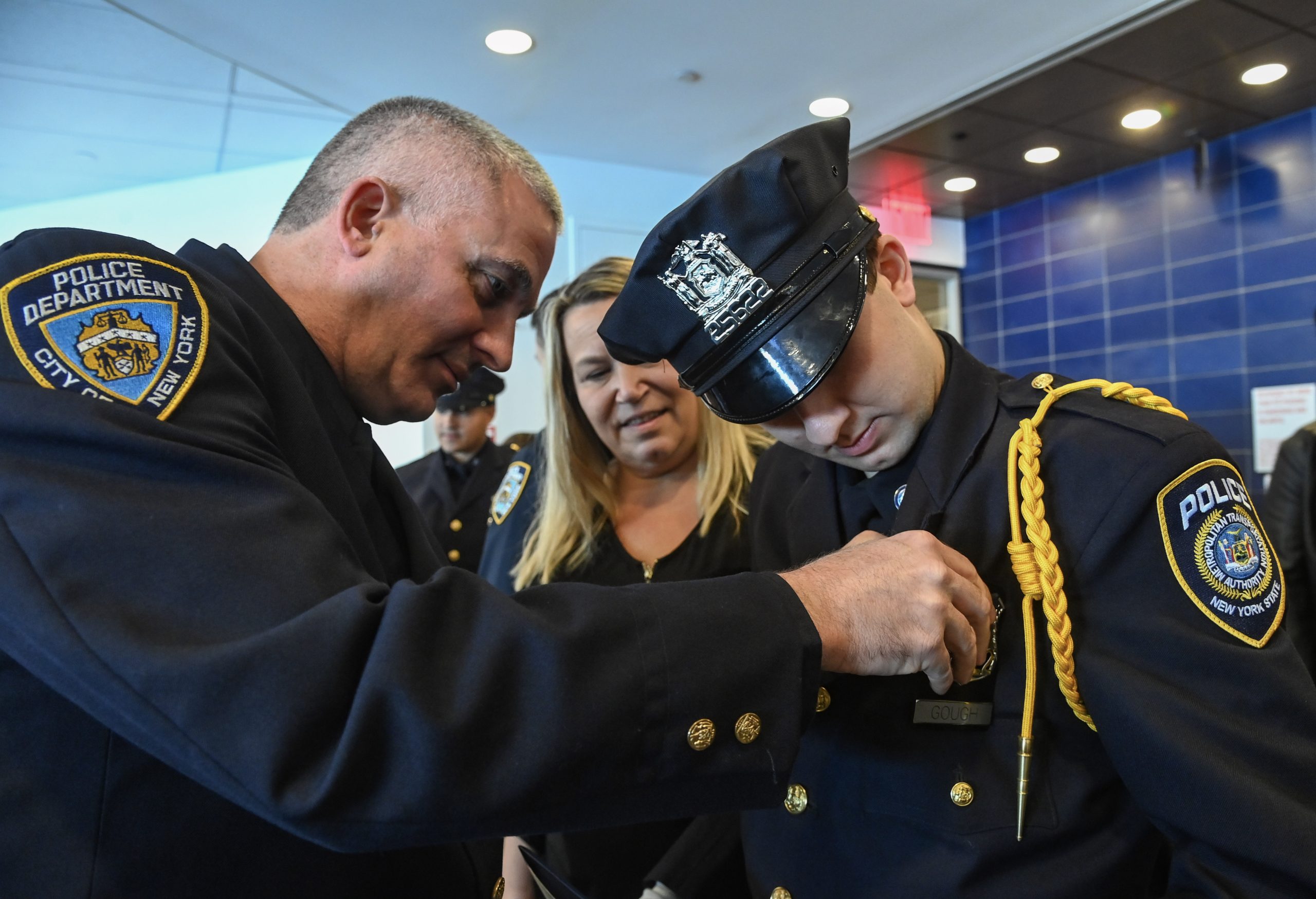
Police academy is demanding because it asks you to be physically capable, academically competent, safe with practical skills and coachable at the same time. Prepare well and respect the workload, but do not treat it as a mysterious ordeal that only exceptional athletes or students can finish.
Compare four radio holsters and pouches for police duty belts and outer carriers, including Zero9, Bianchi, 5.11 and…
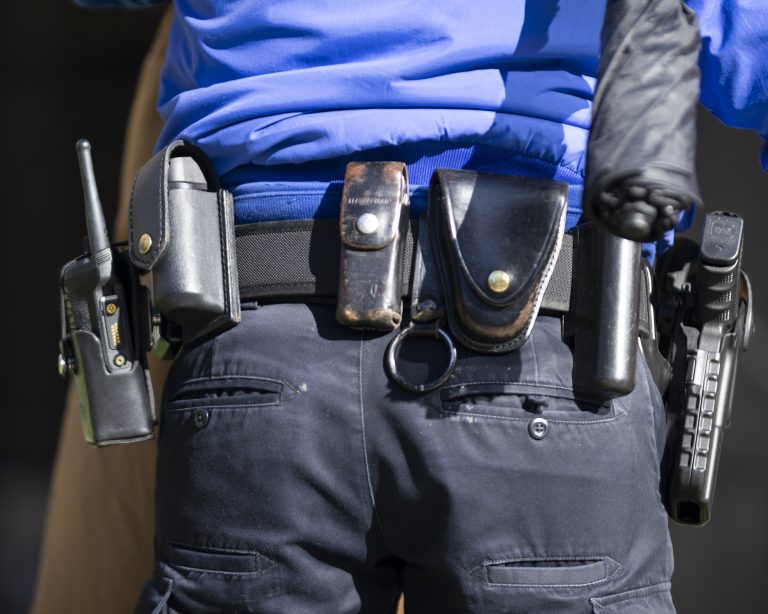
Compare four of the best law enforcement duty belts for police officers, including Bianchi, 5.11 and Condor options.…
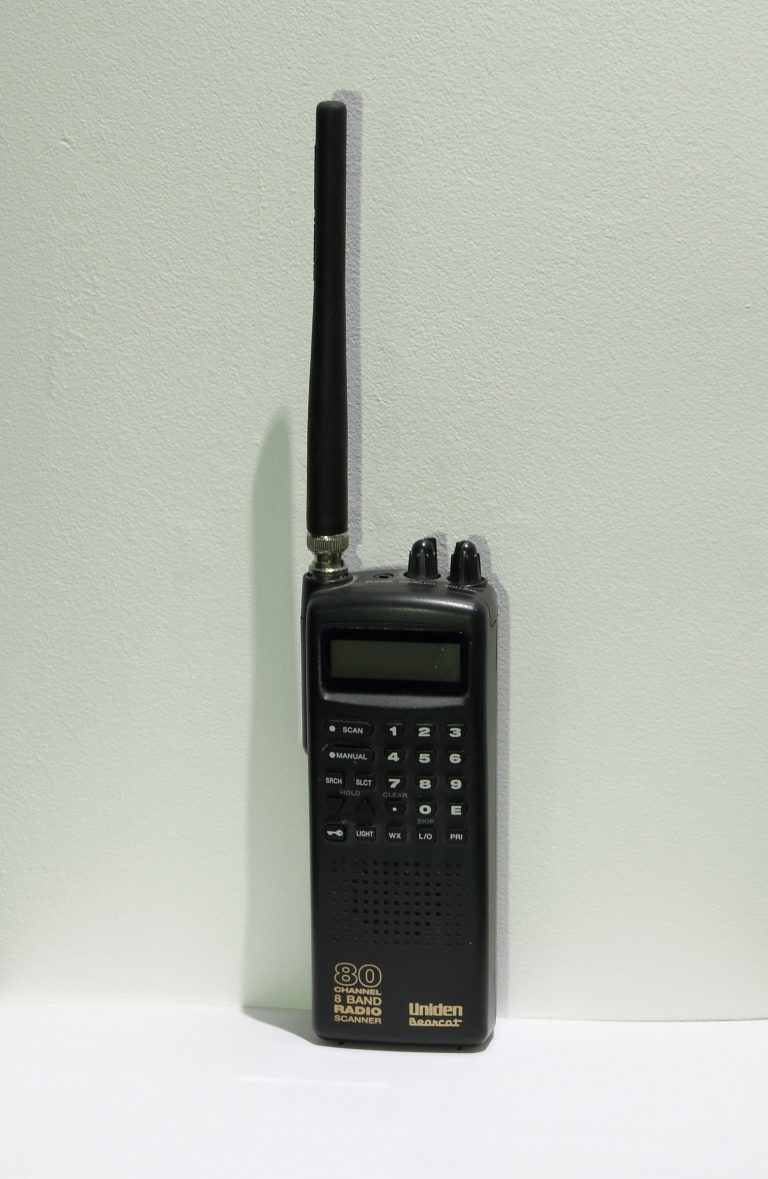
The best police scanners depend on your local radio system. Compare six current digital and P25 scanners, including…