4 Best Radio Holsters for Duty Belts (Police Picks 2026)
Compare four radio holsters and pouches for police duty belts and outer carriers, including Zero9, Bianchi, 5.11 and…

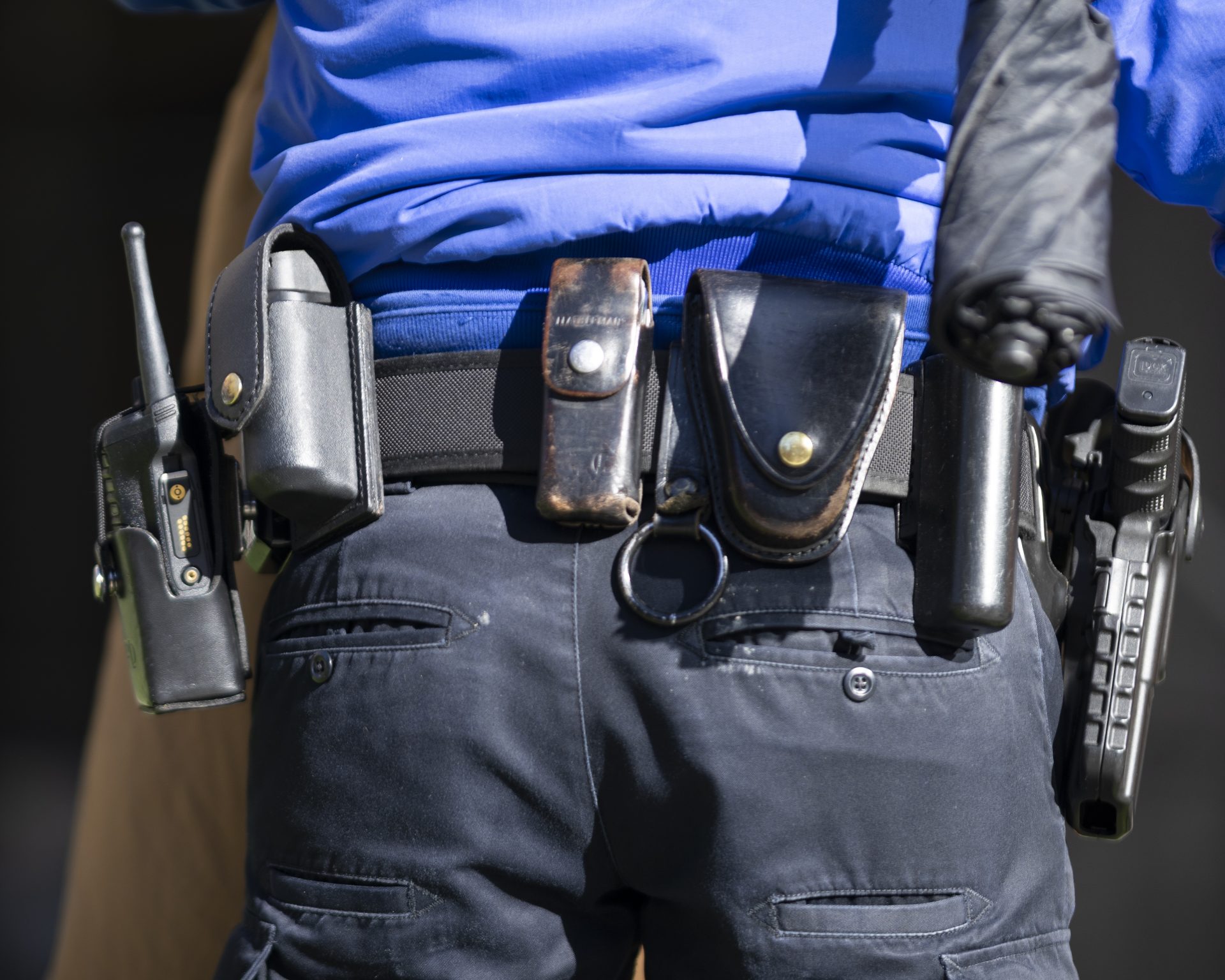
A good police duty belt has one job: carry the equipment you actually need without sagging, shifting, opening accidentally or making a long shift more uncomfortable than it already is.
For most uniformed officers, the first question is not “What is the coolest duty belt?” It is what does my department allow? Uniform policy may dictate width, finish, color, buckle style and whether you can use a modern MOLLE-style belt at all. Check that before spending money.
If you have a choice, the four belts below cover the main directions I would consider: a traditional leather-look duty belt, a complete nylon two-belt kit, a wider AccuMold option and a lower-cost modular belt.
Affiliate disclosure: As an Amazon Associate I earn from qualifying purchases. Some links on this page are affiliate links. Product selection is based on manufacturer specifications, duty-use practicality and recurring patterns in owner feedback—not on which product pays the highest commission.
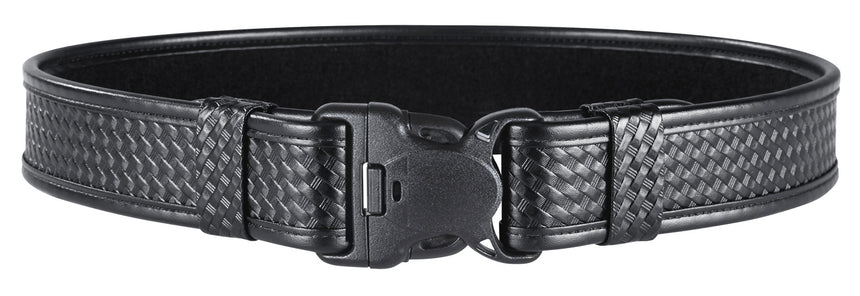
Width: 2 inches | Style: Leather-look synthetic
A rigid, professional-looking belt with a three-point-release buckle and strong holster support.
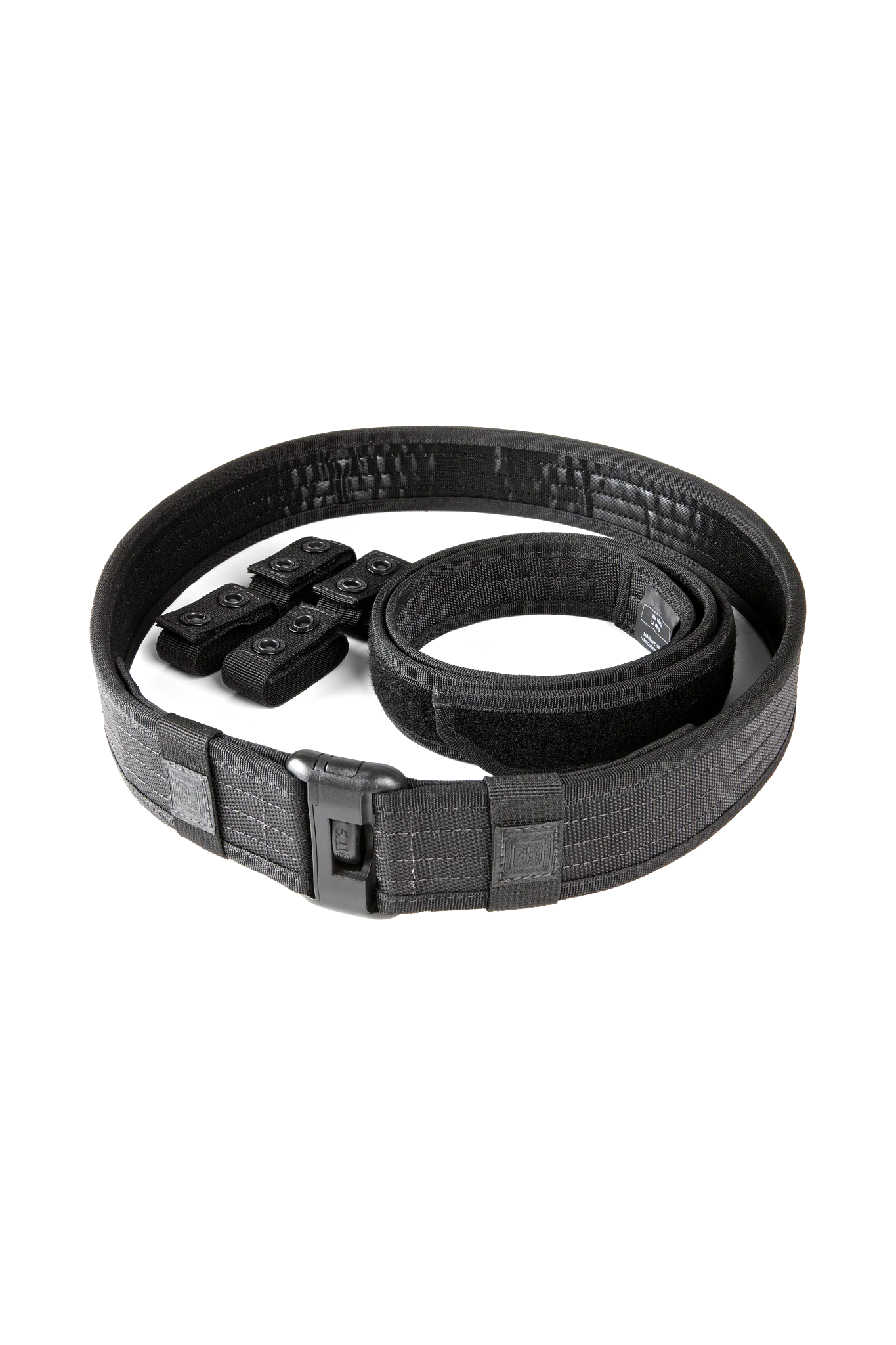
Width: 2 inches | Style: Nylon two-belt system
Includes the outer belt, inner belt and four keepers, making it the easiest complete setup here.
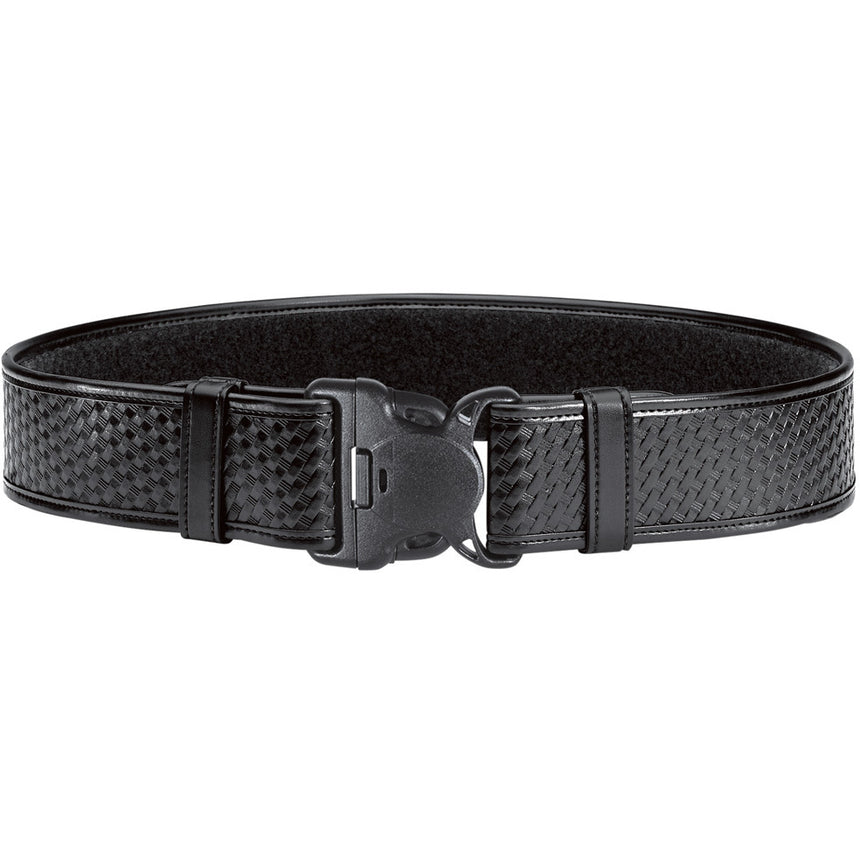
Width: 2.25 inches | Style: AccuMold Elite
A wider, supportive option for departments that require a traditional uniform appearance.
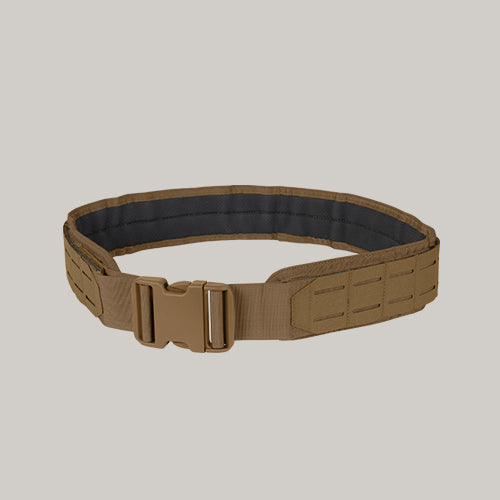
Width: 2 inches | Style: Laser-cut modular belt
A lower-cost option with laser-cut attachment slots and a removable anti-slip pad.
Before buying: Amazon belt listings often default to one particular size or finish. Use the size/variant selector on the product page and compare it with the manufacturer sizing guide before ordering.
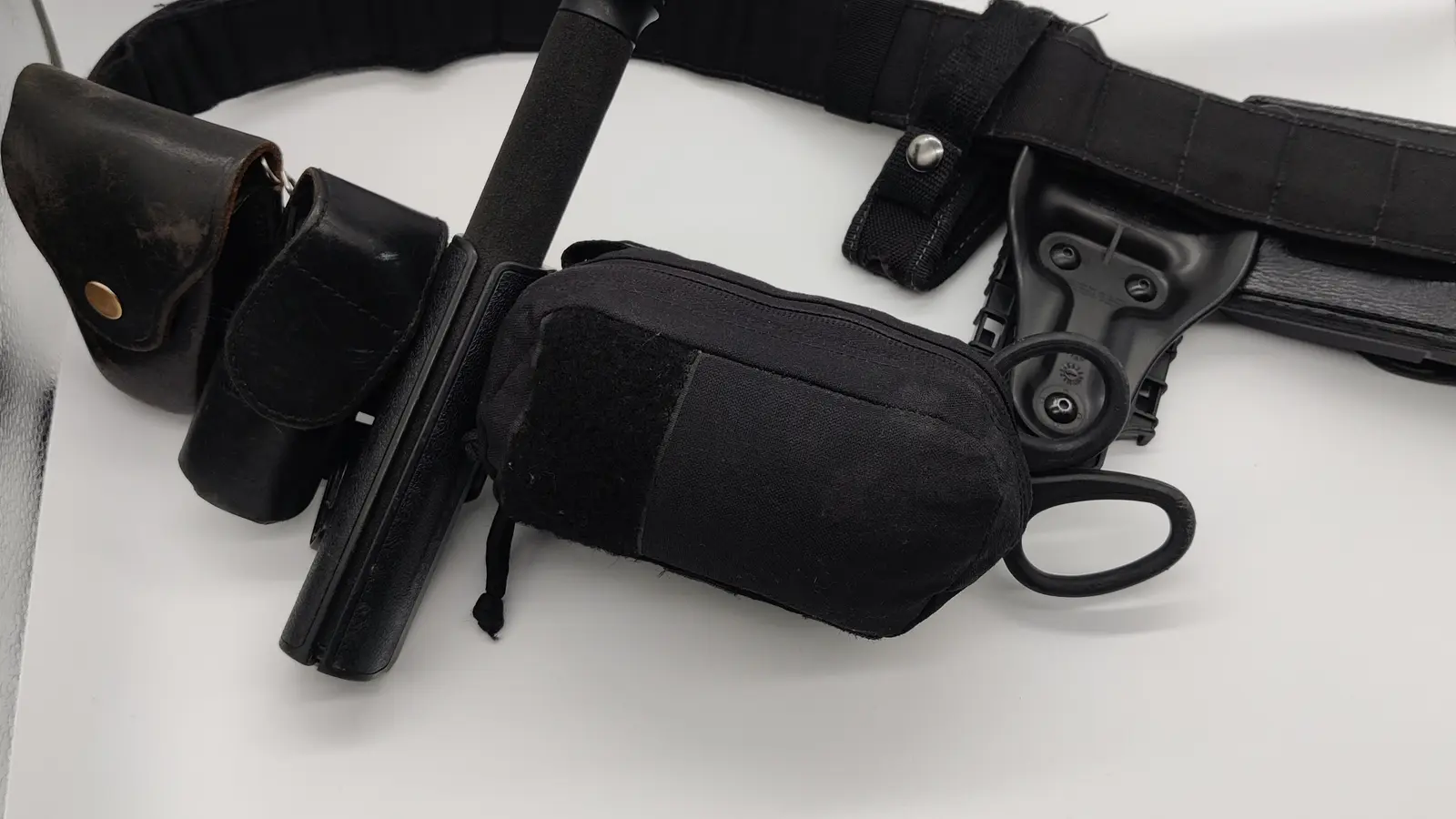
A patrol belt carries weight for hours. That means stiffness matters, but “stiffer” is not automatically “better.” A belt needs enough structure to stop a holster, radio and pouches from folding or flopping, while still conforming to your waist well enough to sit in a patrol car.
If you are still deciding what belongs on the belt, our police gear list gives the broader context. The belt should be built around your authorized equipment—not the other way around.
The Bianchi 7980 is the safest starting point here for an officer who needs a conventional-looking duty belt rather than a battle-belt aesthetic.
Bianchi specifies a four-part laminate construction, a Duraskin leather-look exterior and loop lining for use with the Bianchi 7205 liner belt. The belt is 2 inches wide. Its CopLok/Tri-Release polymer buckle uses a three-point release intended to reduce accidental opening.
That combination is useful for patrol: the belt is built to stay rigid enough to support a holster and other equipment while still presenting the plain or basketweave appearance many uniform policies require.
Owner feedback around the Bianchi 7980 is strongest on rigidity, build quality and secure two-belt use. The recurring caution is sizing and adjustment: several owners report that getting the initial fit right takes time, and some recommend sizing down. I would follow Bianchi’s current sizing instructions rather than relying only on your jeans size.
Best for: Uniformed patrol, corrections or security where a conventional leather-look belt is required.
Skip it if: Your department allows a lighter MOLLE-style belt and minimizing bulk is more important than traditional appearance.
Manufacturer reference: Bianchi 7980 specifications.
The biggest advantage of the 5.11 Sierra Bravo is that you are not just buying an outer belt. The current kit includes the 2-inch duty belt, an inner belt and four keepers.
5.11 uses dual web layers and 1680D nylon, with hook backing to mate the outer belt to the included liner. The Slim-Lock buckle is deliberately narrow to preserve usable belt space—something that matters once a radio, cuffs, magazines, medical equipment and other pouches start competing for room.
The Amazon feedback I reviewed repeatedly praises the 5.11 Sierra Bravo for being lighter than traditional Bianchi-style rigs while still feeling secure. Buyers also like that the inner belt and keepers are included. The main criticism is that the outer belt can feel less rigid than some heavier duty belts.
That tradeoff is important. A lighter belt can be more comfortable, but an officer carrying a particularly heavy load may prefer a more rigid platform.
Best for: Someone who wants a complete nylon two-belt system without buying the liner and keepers separately.
Skip it if: Your uniform policy requires basketweave/leather-look gear, or you specifically want maximum rigidity.
Manufacturer reference: 5.11 Sierra Bravo specifications.
The Bianchi 7950 AccuMold Elite makes sense when you want the traditional appearance and a wider 2.25-inch platform.
Its AccuMold Elite construction is synthetic rather than traditional leather. That gives you a leather-like uniform appearance without the same maintenance burden. The belt is designed to support duty equipment while pairing with Bianchi liner-belt systems.
Long-term owner feedback on the Bianchi 7950 repeatedly mentions low weight compared with leather, comfort and good durability. A recurring negative is stiffness or awkward initial adjustment, and some users have criticized the buckle operation. That makes fit and setup worth getting right before you load the entire belt.
Best for: Departments requiring a 2.25-inch traditional-looking duty belt, especially when you want something lighter and easier to maintain than leather.
Skip it if: Your trouser loops or accessories are designed around a narrower 2-inch setup, or you want a modern laser-cut attachment system.
Manufacturer reference: Bianchi/Safariland duty-belt range.
The Condor LCS Gun Belt is the least traditional option here. It uses a 2-inch reinforced web belt with laser-cut attachment slots and a removable anti-slip pad.
Condor says it can be used as a standalone belt or converted to a two-belt system by removing the pad and adding its hook-and-loop inner belt. That flexibility is useful for range, training and agencies that permit a more modern modular setup.
The strongest review pattern around the Condor LCS is value: owners commonly describe it as surprisingly sturdy for the price. The laser-cut slots and anti-slip pad also get positive comments.
The warning is sizing. Multiple Amazon owners say the Condor LCS runs large and recommend paying close attention to the manufacturer’s waist ranges. Some also view the standard quick-release buckle as the weak point compared with more expensive Cobra-buckle systems.
Best for: A lower-cost modular setup, training/range use, or authorized duty use where a laser-cut belt is acceptable.
Skip it if: Your department requires a conventional uniform belt or you need an included hook-and-loop trouser inner belt.
Manufacturer reference: Condor LCS specifications.
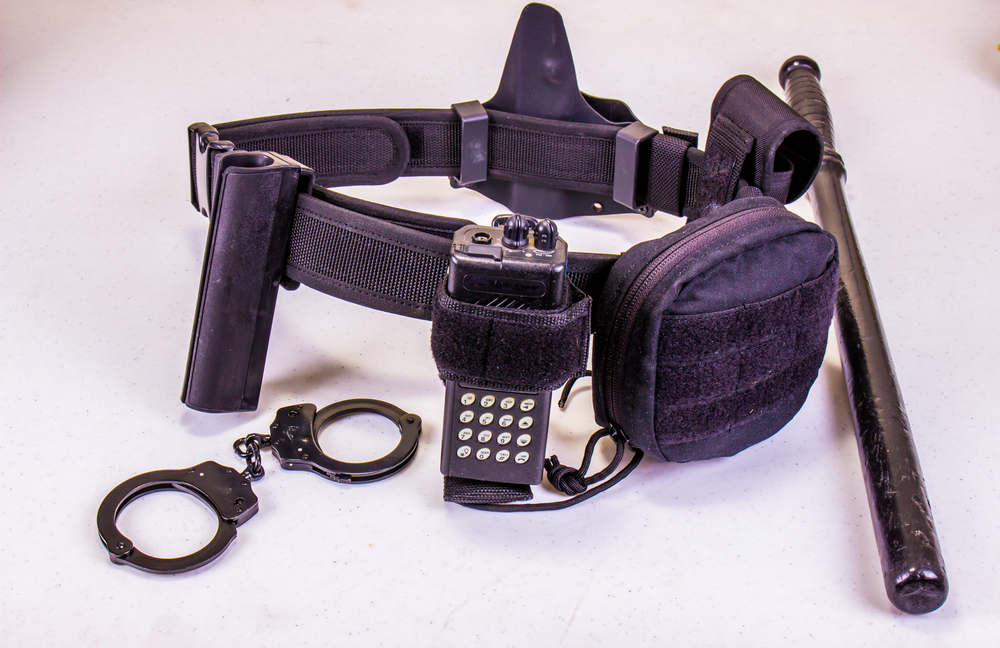
This is not just a comfort preference. Belt width determines whether your existing holster, keepers and pouches fit correctly.
A 2.25-inch belt gives you a wider load-bearing platform and remains common in traditional police duty gear. A 2-inch belt can feel less bulky and works well with many modern accessories. Neither is universally better.
If you already own a duty holster and pouches, check their maximum belt-loop width before ordering a new belt. The same applies to communications gear; our radio holster for duty belt guide compares model-specific, traditional belt-loop and MOLLE radio carriers.
For a conventional patrol setup, I strongly prefer a proper inner/outer system over relying on friction alone.
The inner belt runs through the trouser loops. The outer duty belt then attaches to it with hook-and-loop and/or keepers. That helps stop the loaded belt from rotating around your waist and keeps equipment in a predictable position.
The 5.11 Sierra Bravo includes an inner belt. The Bianchi 7980 and Bianchi 7950 are commonly paired with compatible Bianchi liners. The Condor LCS includes an anti-slip pad but requires a separate inner belt if you want to run it as a hook-and-loop two-belt system.
Do not order solely from the number printed on your jeans.
Manufacturers measure duty belts differently because the outer belt sits over clothing and often over an inner belt. Safariland, for example, tells buyers of belts designed for an underbelt to measure larger than normal pants sizing. 5.11 publishes its own size chart, and Condor gives explicit waist ranges for each LCS size.
The practical rule is simple: use the sizing chart for the exact belt you are buying.
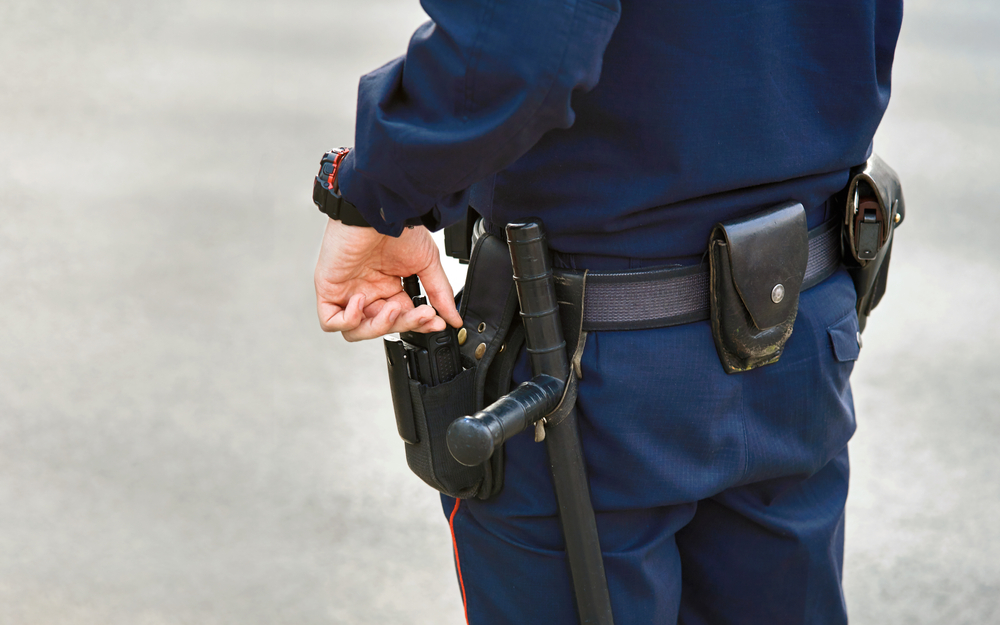
A better belt can help distribute equipment, but it cannot make a heavy load disappear.
If your department allows it, moving approved equipment to an outer carrier can reduce how much is concentrated around the waist. Belt layout also matters: avoid placing hard equipment where it presses directly into your spine when sitting in a patrol vehicle.
Do not buy a different belt as a substitute for medical assessment if you are having persistent pain, numbness or other symptoms.
For a traditional U.S. patrol uniform, I would start with the Bianchi 7980 because it combines a conventional appearance with a secure buckle and rigid load support.
If I wanted the simplest complete nylon package, I would take the 5.11 Sierra Bravo because the inner belt and keepers are already included.
If the uniform required a wider leather-look setup, the Bianchi 7950 would be my next look. And if policy allowed a modern modular belt and budget mattered, the Condor LCS offers a lot for the money.
But department policy comes first. A technically excellent belt that violates uniform policy is the wrong duty belt.
There is no single national standard. Two-inch and 2.25-inch belts are both common, and agency policy plus accessory compatibility should decide which you buy.
Not automatically. Nylon and synthetic systems are usually lighter and easier to maintain. Traditional leather or leather-look belts may be required for uniform appearance. The better choice is the one that meets policy and supports your load comfortably.
If your setup and agency policy call for them, yes. Keepers connect the outer duty belt to the trouser/inner belt and help prevent shifting. A strong hook-and-loop two-belt system can reduce how much the belt moves, but follow the manufacturer and department setup requirements.
Only if your agency authorizes it and the system safely supports your issued equipment. A range belt and a uniform patrol belt are not automatically interchangeable.
The best law enforcement duty belt is not necessarily the newest or most tactical-looking one. It needs to fit your uniform policy, support your equipment, stay secure and remain tolerable through hours of standing, walking and sitting in a vehicle.
For a traditional setup, the Bianchi 7980 is my first pick. The 5.11 Sierra Bravo is the easiest complete kit, the Bianchi 7950 covers the wider leather-look role, and the Condor LCS is the value modular option.
Compare four radio holsters and pouches for police duty belts and outer carriers, including Zero9, Bianchi, 5.11 and…
The best police scanners depend on your local radio system. Compare six current digital and P25 scanners, including…
What radios do police use? Learn how police portable and mobile radios work, what P25 and trunking mean,…