
4 Best Radio Holsters for Duty Belts (Police Picks 2026)
Compare four radio holsters and pouches for police duty belts and outer carriers, including Zero9, Bianchi, 5.11 and…


If you are applying to become a sworn police officer, expect a background investigation to be one of the longest parts of the police hiring process. The agency is not just running a quick criminal-record search. It is trying to verify the history, judgment and reliability of a person who may receive enormous public responsibility.
The process usually begins with a Personal History Statement or similar questionnaire covering past addresses, jobs, finances, driving, references and much more. By the time you meet the investigator, they will have read it and marked the details that need clarification.
The investigator’s job is to compare what you disclosed with records and with what employers, relatives, references and other contacts say. A past mistake is not automatically fatal in every department. A deliberate omission or changing story often causes more damage than the underlying event.
Every agency sets its own standards and process. As one detailed official example, the California POST candidate guide describes a Personal History Statement, investigator interviews, fingerprinting and extensive contacts. Most police agencies will look closely at at least the following eight areas of your life:
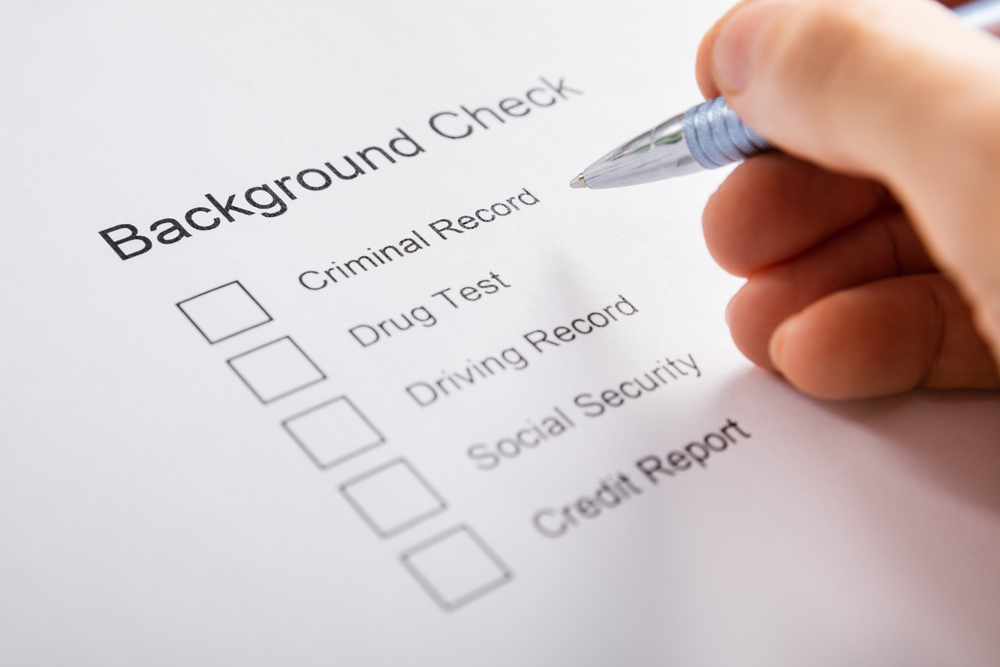
Criminal history is an obvious concern for aspiring police officers, but an arrest is not the same as a conviction and the exact disqualifiers vary by jurisdiction and agency. Felony convictions, domestic-violence restrictions and any other status that legally prevents firearm possession can be disqualifying for an armed officer position. Misdemeanors, DUI history and older incidents are often evaluated by recency, seriousness, pattern and the agency’s written standards.
Do not guess or leave something out because you think it is too old or minor. Disclose what the form asks for, explain the circumstances accurately and let the hiring agency decide. Our separate guide covers common issues that may disqualify a police applicant, but the recruiting unit is the authority for your specific application.
Driving history matters because patrol officers spend a lot of time behind the wheel, sometimes under emergency conditions. Investigators may review tickets, crashes, license suspensions, DUI or reckless-driving history and patterns of unsafe behavior. A single old minor ticket is very different from repeated recent violations, so the agency will usually look at seriousness, recency and pattern rather than treating every entry the same.
Some agencies review credit reports or broader financial history. The point is not simply whether you have debt or a low credit score. Investigators may be more interested in patterns of dishonesty, unpaid obligations you repeatedly ignored, fraud, unexplained financial problems or whether what you disclosed matches the records they find.
Expect investigators to verify where you worked, why you left, whether you were disciplined and what supervisors or coworkers say about your reliability and judgment. List the jobs the questionnaire asks for, including short-term work if required. An omitted job can become a bigger issue than an ordinary disagreement with a former supervisor because it raises a separate question about honesty.
Education is easy for applicants to overlook because requirements differ widely. Some agencies accept a GED or high school diploma, while others require college credits, a degree or an approved combination of education and experience. Read the job announcement before applying and be ready to provide official transcripts or other documentation. Attention to detail is itself a desired trait in an aspiring police officer.
References are commonly contacted, and investigators may also ask those people for the names of others who know you. The goal is to verify the picture you gave in your application rather than rely only on people you selected yourself. Let your listed references know they may be contacted, but do not coach them on what to say.
Social media is now a routine source of background information for many agencies. Investigators may look for unlawful conduct, threats, discriminatory or extremist content, poor judgment, dishonesty, or associations that conflict with the responsibilities of the job.
Do not delete or alter material to mislead an investigator. Review your public presence, understand what is there and answer questions honestly. The useful goal is not to manufacture a professional image for the investigation; it is to show the judgment you actually use online.
Character is really at the root of a police background investigation. By the end, the investigator will have a much better picture of your judgment, reliability, honesty, interpersonal behavior and ability to handle responsibility. The investigator documents the facts and findings; the hiring authority makes the employment decision.
Treat the investigator with respect, respond on time and do not become defensive when a question is uncomfortable. How you handle the process is information too.
They are usually far more detailed than a standard employment screening. Expect records checks plus verification through employers, references, relatives and other people who know you. The investigator may follow new leads that come from those interviews.
There is no universal timeline. The agency’s workload, the number of places you have lived and worked, how quickly records and references respond, and whether anything needs follow-up can all change the length. Ask the hiring agency for its current estimate and keep your contact information up to date.
Not necessarily. Some events are automatic disqualifiers under law or agency policy, but many are judged by seriousness, recency, pattern, rehabilitation and honesty. Never assume that hiding the event improves your chances.
At the end of the investigation, the background investigator prepares findings for the police agency. Be organized, keep copies of what you submit and tell the investigator promptly if you remember a detail that should be corrected. A correction is easier to explain than an inconsistency someone else discovers.
Above all, be honest and upfront when questioned about your life. Do not evade questions or put off requests for records and clarification. Always be respectful and remember that, during a police hiring process, every day is an interview.
Compare four radio holsters and pouches for police duty belts and outer carriers, including Zero9, Bianchi, 5.11 and…
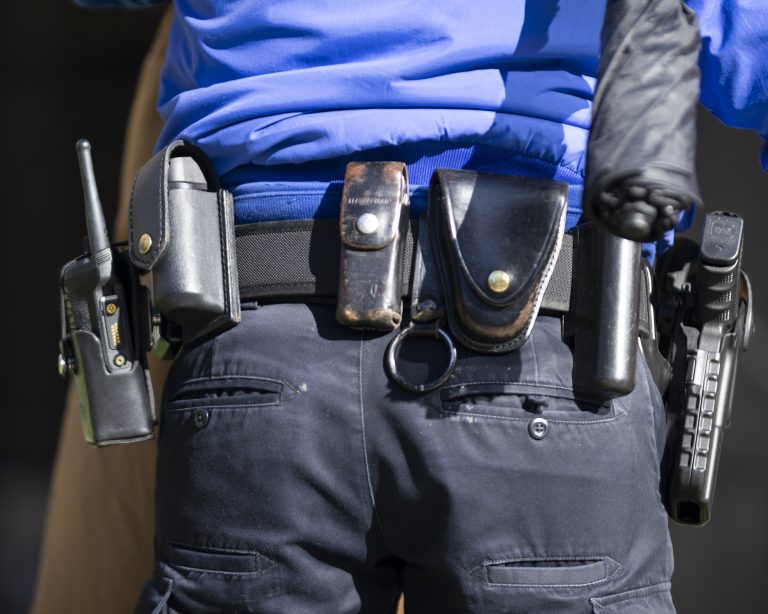
Compare four of the best law enforcement duty belts for police officers, including Bianchi, 5.11 and Condor options.…
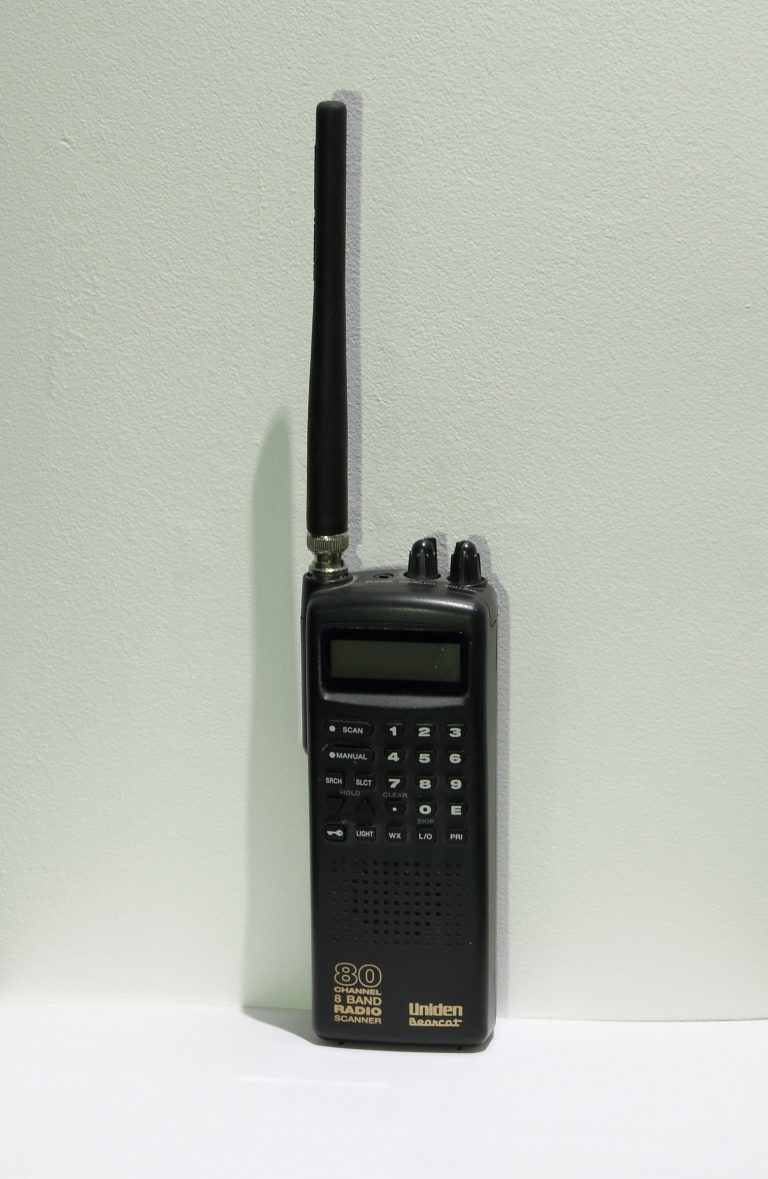
The best police scanners depend on your local radio system. Compare six current digital and P25 scanners, including…