What Radios Do Police Use? Police Radio Systems Explained
What radios do police use? Learn how police portable and mobile radios work, what P25 and trunking mean,…

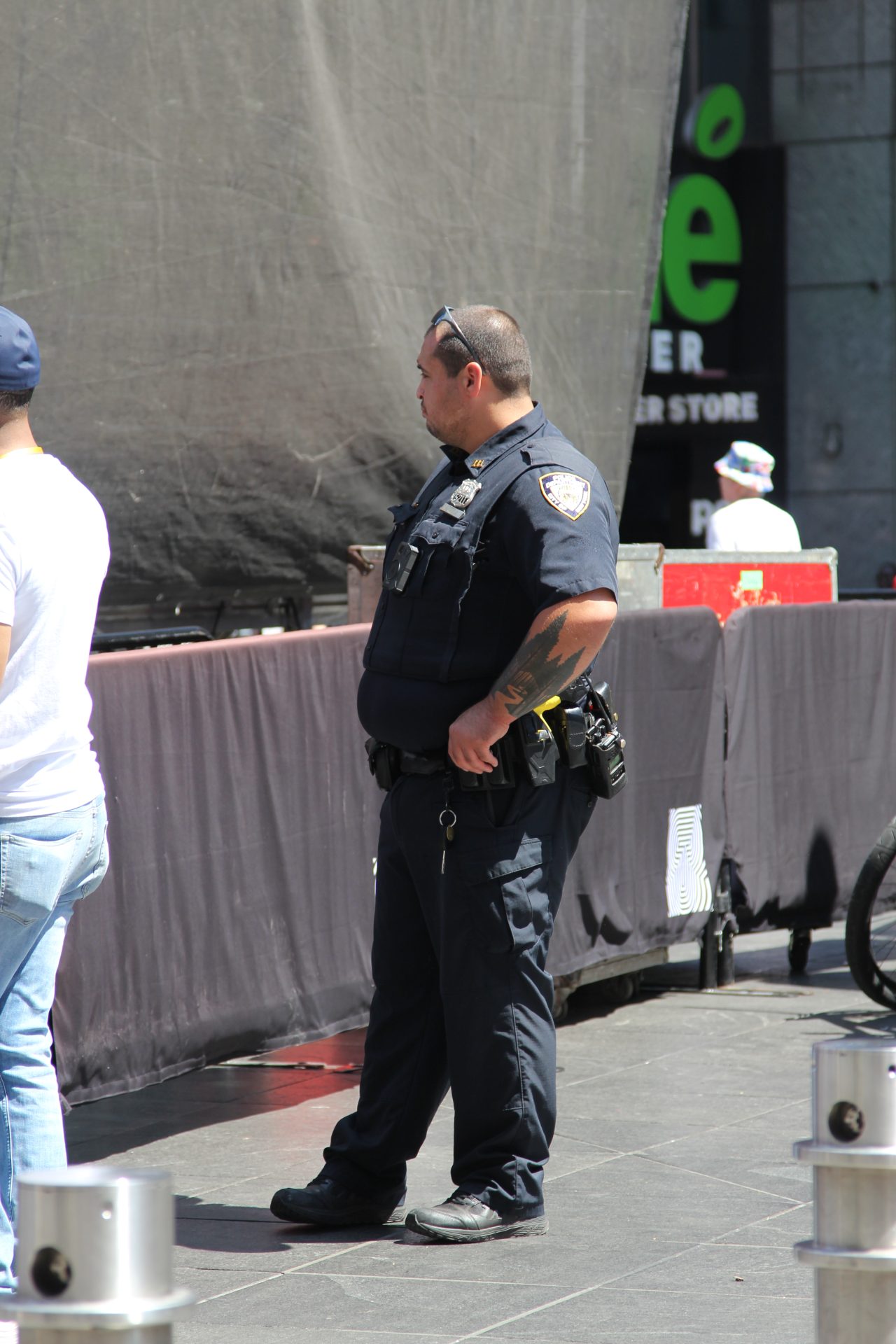
Yes, police officers can have tattoos in many U.S. departments. The catch is that tattoo rules are set by individual agencies. One department may allow visible arm tattoos, another may require them to be covered in uniform, and another may prohibit certain locations or content.
So a tattoo does not automatically disqualify you from becoming a police officer. The specific tattoo—and the policy of the department you are applying to—matters much more.
Departments commonly prohibit tattoos associated with gangs, extremist organizations, discrimination, obscenity or content that would undermine the officer’s ability to serve the public. Policies can also restrict tattoos on the face, head, neck or hands.
The wording varies, so the hiring agency’s current written policy is more useful than a generic list online.
Sometimes. Visible arm tattoos have become more accepted in many workplaces, including law enforcement, but there is no nationwide police tattoo policy.
An agency can allow sleeves while another department in the same state requires long sleeves or a department-approved cover. If you already have extensive tattoos, check the appearance policy before investing time in that hiring process.
An agency may ask applicants to disclose tattoos and may document them during the background investigation. The department can review the location, size, imagery, wording and meaning against its policy.
Trying to hide a tattoo or give a misleading explanation can create a bigger hiring problem than an ordinary tattoo itself. Background investigators care about honesty and judgment as well as appearance rules.
For more on that stage, see our guide to police background checks.
Yes, if it violates the hiring agency’s standards. But the mere fact that you have ink is not a universal disqualifier.
If you are comparing departments, appearance policies are worth checking alongside education, fitness, drug-history and background standards. Our broader guide on what can disqualify you from becoming a police officer covers those other issues.
If you know you want a law-enforcement career, it is sensible to check the policies of departments you may apply to before getting a highly visible tattoo. Policies can change, but face, neck and hand tattoos generally give you fewer options than artwork that can easily be covered.
Departments can revise grooming and appearance standards. Existing employees may receive different treatment from new applicants, or the agency may set rules for tattoos acquired after hire.
That is another reason I would not choose a department based on a five-year-old forum post. Read the current policy or ask the recruiter.
Police officers can have tattoos, but there is no single U.S. rule. Ordinary tattoos are accepted by many agencies; offensive, extremist, gang-related or prohibited-location tattoos can still end an application. Check the department you actually want to work for before assuming your tattoo is either fine or disqualifying.
What radios do police use? Learn how police portable and mobile radios work, what P25 and trunking mean,…
There is no single national police written exam. Learn how tests such as PELLETB and NTN FrontLine differ,…
Police field training bridges the gap between academy and solo patrol. Learn what FTO means, how phases and…