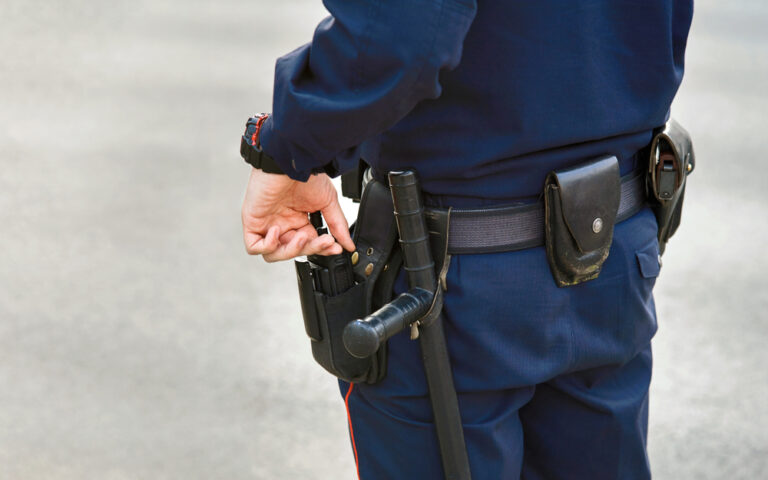
4 Best Radio Holsters for Duty Belts (Police Picks 2026)
Compare four radio holsters and pouches for police duty belts and outer carriers, including Zero9, Bianchi, 5.11 and…

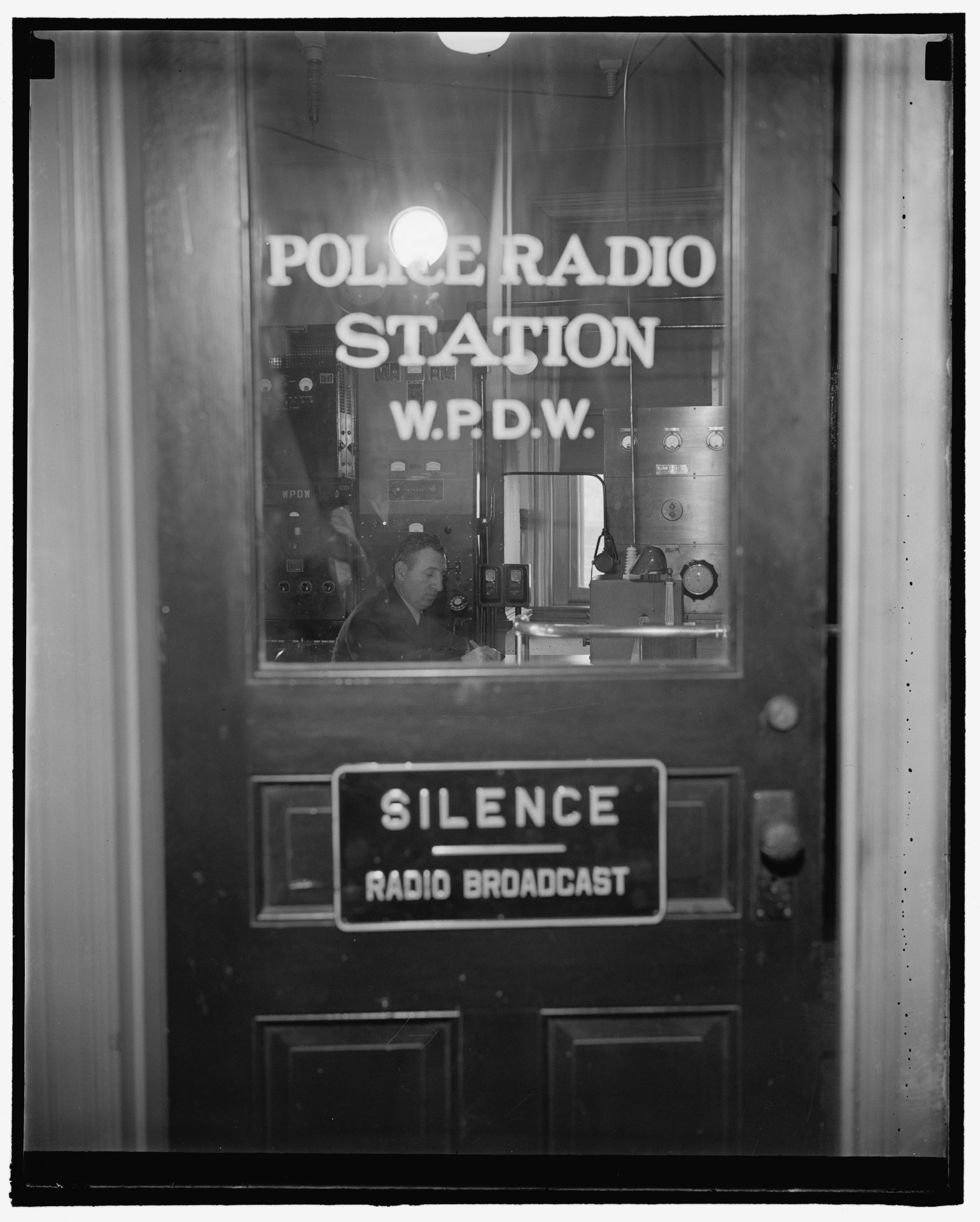
Police radio codes are shorthand, but there is no single codebook that works for every U.S. police department. That is the most important thing to understand before trying to decode something you heard on a scanner.
Some agencies use familiar 10-codes. Others use local signals, disposition codes, penal-code numbers or plain language. Two departments can use the same number for completely different things.
Radio airtime is limited. Short codes developed as a way to pass routine information quickly, especially when early radio systems were slower and less reliable than modern digital networks. Our guide to what radios police use explains the modern P25, trunking, talkgroup and dispatch systems behind that traffic.
APCO’s work on standardized 10-signals dates to the early era of public-safety radio, but local variation never disappeared.
No. This is where many online “police code” lists go wrong. A number can be meaningful in one department and mean something else—or nothing at all—in another.
For example, published code databases show multiple meanings for “304” depending on the agency. That is why I would never tell someone that 304 universally means one specific crime.
A 10-code normally starts with “10,” such as 10-4. But police communications can also include local numeric codes, letter-number combinations, response priorities and status signals.
That distinction matters for searches such as police code 304, police code 519 and J4. None should be interpreted without knowing the agency or jurisdiction.
Codes save airtime, but they can create confusion when officers from different agencies work together. Plain language is easier to understand during multi-agency incidents because everyone hears the actual meaning rather than translating a local code.
Start with the agency whose radio traffic you were listening to. Search that department, county or regional dispatch system rather than searching the number by itself. If the agency publishes a communications manual or code list, that is much stronger evidence than a generic internet decoder.
If you listen to public-safety radio yourself, our guide on whether police scanners are legal explains the separate legal issues around scanner use.
Police codes are useful shorthand, not a universal language. Always attach a code to an agency and location before assuming you know what it means.
Compare four radio holsters and pouches for police duty belts and outer carriers, including Zero9, Bianchi, 5.11 and…
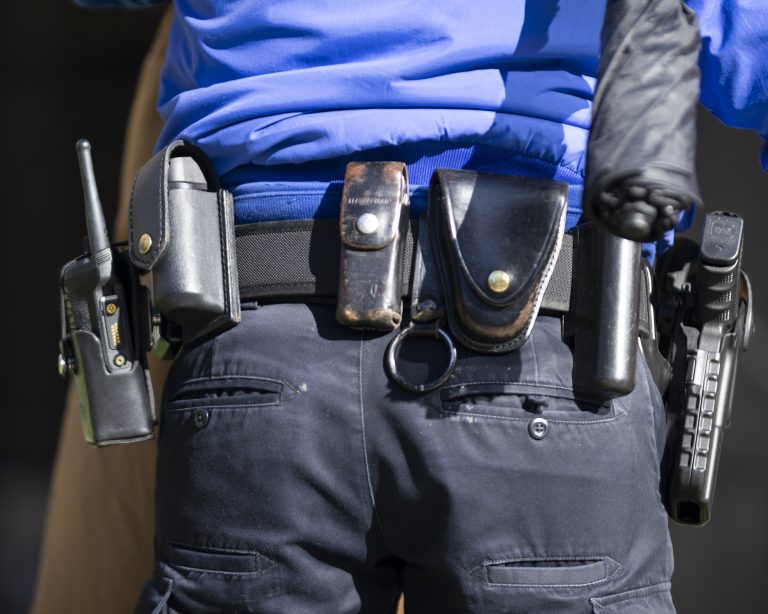
Compare four of the best law enforcement duty belts for police officers, including Bianchi, 5.11 and Condor options.…
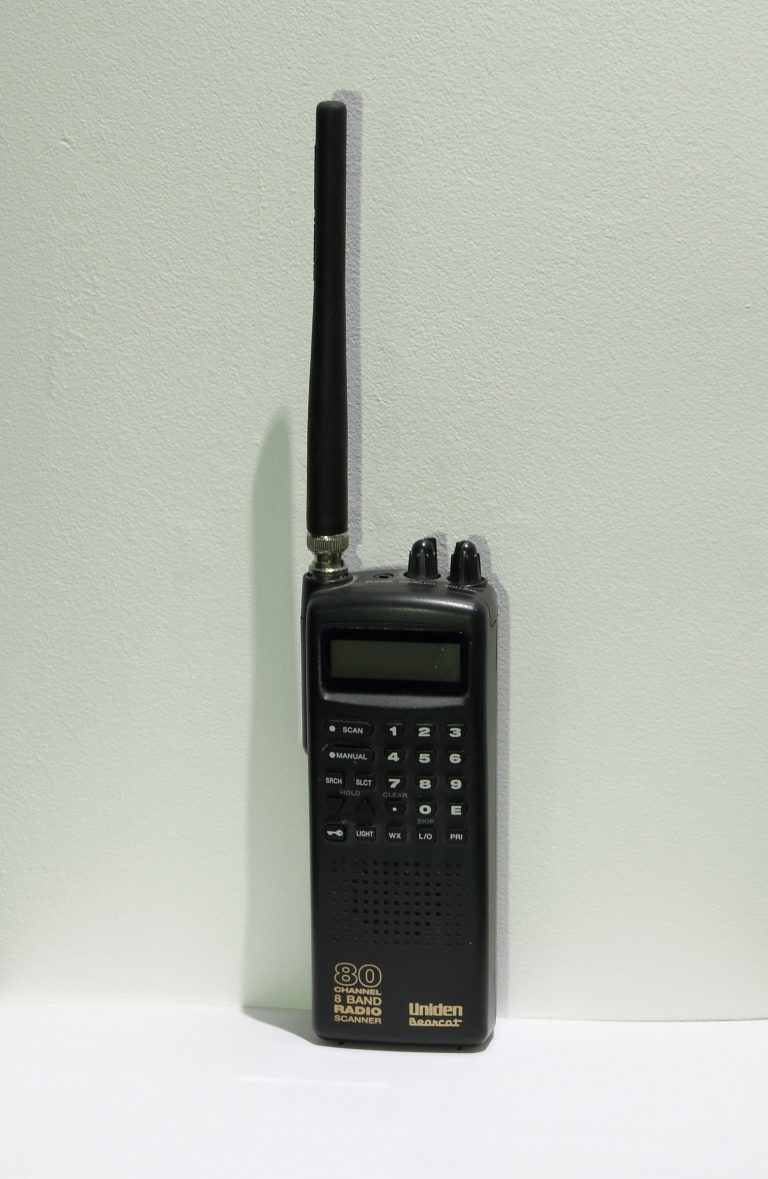
The best police scanners depend on your local radio system. Compare six current digital and P25 scanners, including…