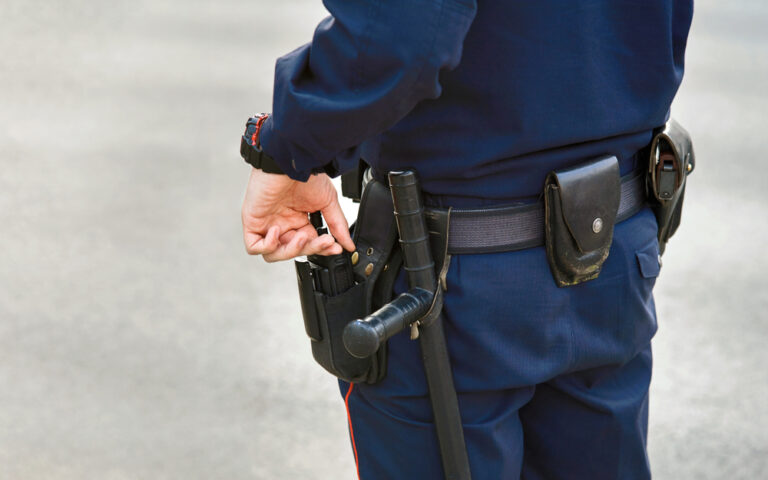
4 Best Radio Holsters for Duty Belts (Police Picks 2026)
Compare four radio holsters and pouches for police duty belts and outer carriers, including Zero9, Bianchi, 5.11 and…

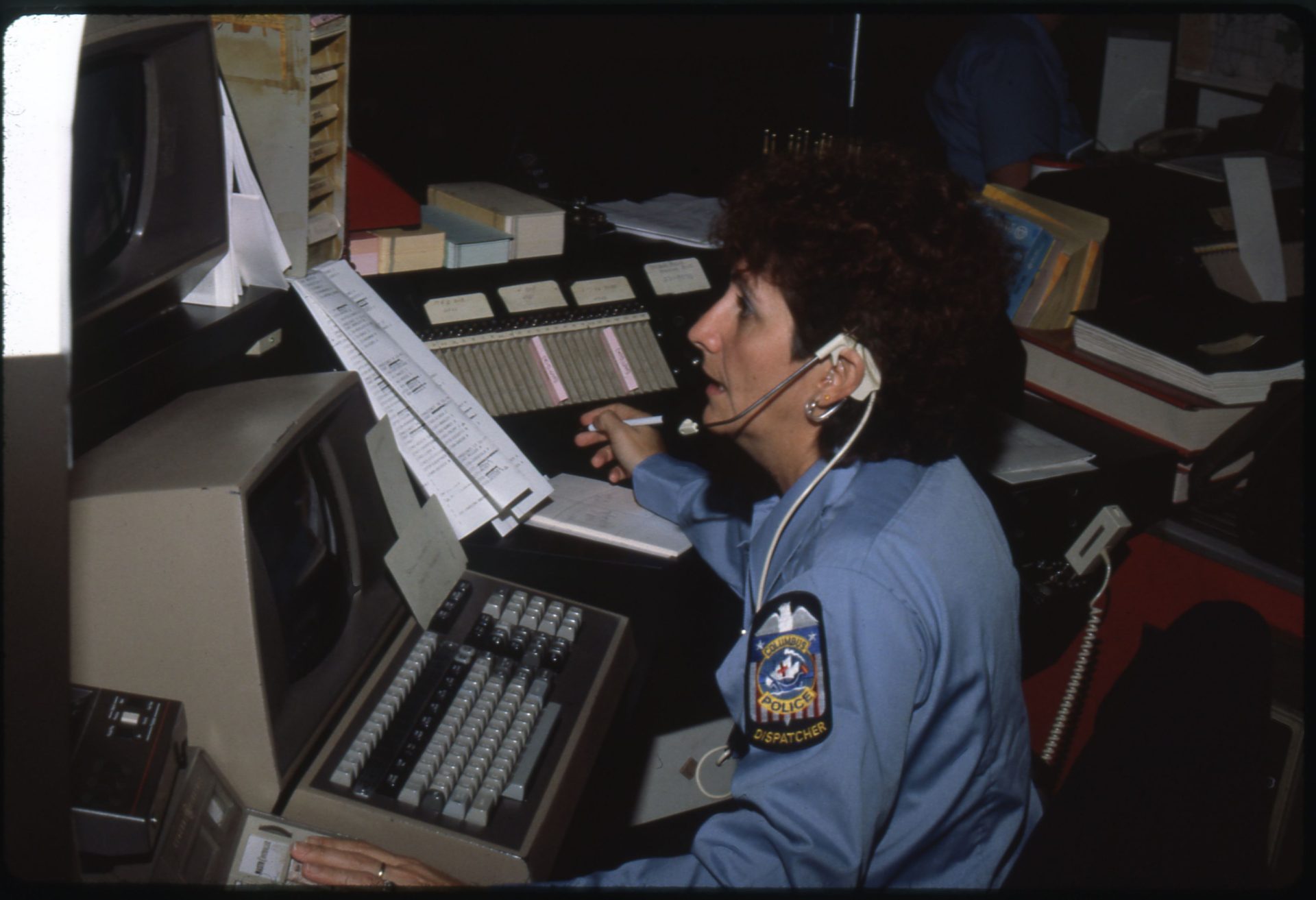
In most of the United States, simply listening to unencrypted police radio traffic is generally legal—but that is not the end of the story. State laws can restrict where you carry or use a scanner, especially in a vehicle, and using police communications to help commit a crime can create a separate legal problem.
This is one of those questions where a one-word “yes” is technically tempting and practically unhelpful. The device, the state, where you are using it, what you are listening to, and what you are doing with the information can all matter.
At the federal level, U.S. law specifically says it is not unlawful under the federal wiretap statute to intercept governmental, law-enforcement, fire and other public-safety radio communications when those communications are readily accessible to the general public. You can read that language in 18 U.S.C. § 2511(2)(g).
That is the foundation for ordinary scanner listening. It does not mean every radio transmission is fair game or that every state lets you carry a scanner everywhere.
The federal definition of “readily accessible to the general public” excludes radio communications that are scrambled or encrypted, among other protected forms. The definition is in 18 U.S.C. § 2510(16).
For a normal listener, the practical rule is simple: receiving an ordinary public, unencrypted public-safety channel is very different from trying to defeat encryption or other privacy protections. If an agency has intentionally encrypted its radio traffic, treat that boundary as a boundary.
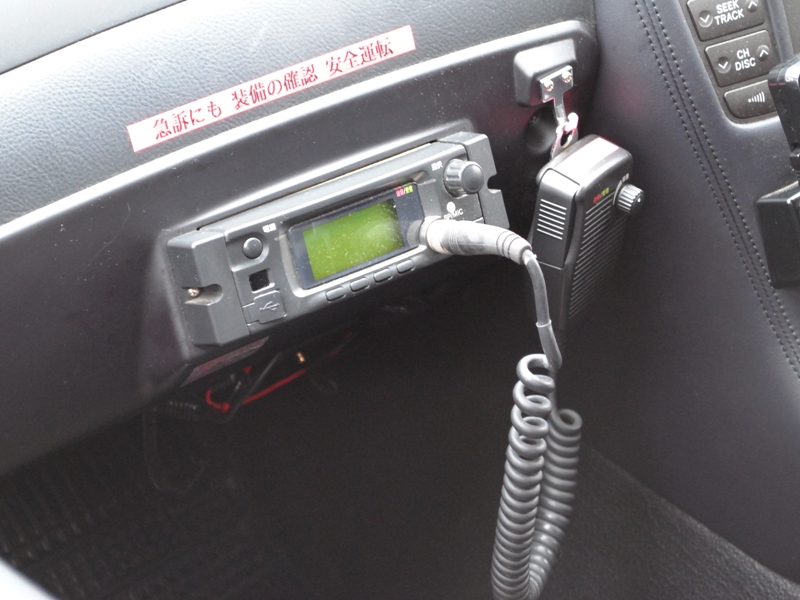
Some states have additional scanner laws. The restrictions are not identical, which is why lists that simply say “police scanners are legal in all 50 states” can be misleading.
Here are several examples from current statutes. This is not a complete 50-state survey.
Florida Statutes § 843.16 restricts installing or transporting radio receiving equipment tuned to police, law-enforcement or fire-rescue frequencies in motor vehicles and certain business establishments, subject to listed exceptions. Those exceptions include, among others, certain amateur-radio licensees, qualifying news organizations and specified emergency or government users.
Florida separately prohibits using intercepted police communications to assist in committing a crime or to avoid detection or arrest. That rule appears in § 843.167.
New York Vehicle and Traffic Law § 397 restricts equipping or knowingly using a motor vehicle with a radio receiver capable of receiving police frequencies unless the person has the required permit or falls within an exception. The statute includes an amateur-radio exception under specified conditions.
Notice the theme: the scanner may not be broadly forbidden at home, yet putting the same capability in a car can change the legal analysis.
Kentucky Revised Statutes § 432.570 also restricts possession or use of equipment capable of receiving police radio messages, with a number of exceptions. The statute specifically provides an exception for a receive-only radio at a person’s residence, along with other listed categories.
Indiana is especially worth checking because its statute expressly deals with both physical police radios and scanner apps. Indiana Code § 35-44.1-2-7 restricts possession of a portable/mobile “police radio” unless an exception applies, while also prohibiting use of a police radio or police-radio mobile application while committing a crime, furthering a crime or avoiding law enforcement.
The statute includes exceptions for several groups and for a person using a police radio only in a dwelling or place of business. The exact wording matters, particularly if you are thinking about carrying a physical scanner rather than listening at home.
Do not assume that home listening and mobile listening are treated the same way. Florida and New York are clear examples of states with vehicle-specific restrictions, and Indiana’s definition reaches portable or vehicle-capable police radios.
Before putting a scanner in a car, check the current statute for the state where you will actually use it. If you cross state lines, check the next state too.
A scanner app does not automatically escape scanner laws just because the “radio” is now a phone.
Indiana is a useful example because its law specifically defines a “police radio mobile application.” Other states may use older statutory language that was written for physical radio equipment, so the answer can depend on the wording and how courts apply it.
There is also a technical distinction: many apps do not directly receive a police frequency. They play an internet stream supplied by somebody else. That distinction may matter under a particular law, but it is not a reason to assume an app is unrestricted everywhere.
If you mean listening through an authorized public feed, that is one thing. If you mean defeating encryption so you can recover communications the agency deliberately protected, that is very different.
Federal law’s “readily accessible to the general public” definition specifically excludes scrambled or encrypted radio communications. I would not treat encryption as a technical challenge to work around.
No sensible scanner guide should skip this part. Several laws become much more serious when the radio information is being used to facilitate criminal activity or evade police.
Florida, for example, expressly prohibits intercepting police radio communications for the purpose of assisting in a crime or avoiding detection, arrest or punishment. Indiana likewise addresses possession or use of a police radio or scanner app while committing or furthering a crime or avoiding law enforcement.
Listening out of curiosity at home is not the same factual situation as monitoring dispatch while committing an offense.
A scanner is normally a receiver. A radio capable of transmitting is another matter.
Do not transmit on a police or public-safety channel simply because your equipment is technically capable of doing it. Authorization and FCC licensing rules apply, and state law may create additional penalties. Florida, for example, separately prohibits unauthorized transmissions and interference on government and emergency frequencies in § 843.165.
Legality is only half the problem. Many agencies use digital trunked radio systems, and some encrypt part or all of their traffic. A perfectly legal scanner cannot decode communications that are intentionally encrypted unless it has access it is authorized to have. If you want the system side explained first, see our guide to what radios police use and how police radio systems work.
That is also why buying a scanner without checking the local radio system can be an expensive mistake. The question is not just “Is this scanner legal?” but also “Can this scanner receive the system my local agency actually uses?” If you are ready to choose hardware, our best police scanners guide compares current P25 and digital models by system type rather than simply listing the most expensive radios.
For more on the equipment officers carry, see our police gear list.
For ordinary unencrypted public-safety radio, federal law gives scanner listeners substantial room to listen. State law is where many of the important restrictions appear.
Before using a police scanner, especially in a vehicle, check three things: whether the communication is unencrypted and publicly accessible, whether your state restricts mobile scanner possession or use, and whether you are doing anything with the information that creates a separate legal problem.
This article is general information, not legal advice. Scanner statutes change, local rules can matter, and the examples above are not a complete survey of every state.
Compare four radio holsters and pouches for police duty belts and outer carriers, including Zero9, Bianchi, 5.11 and…
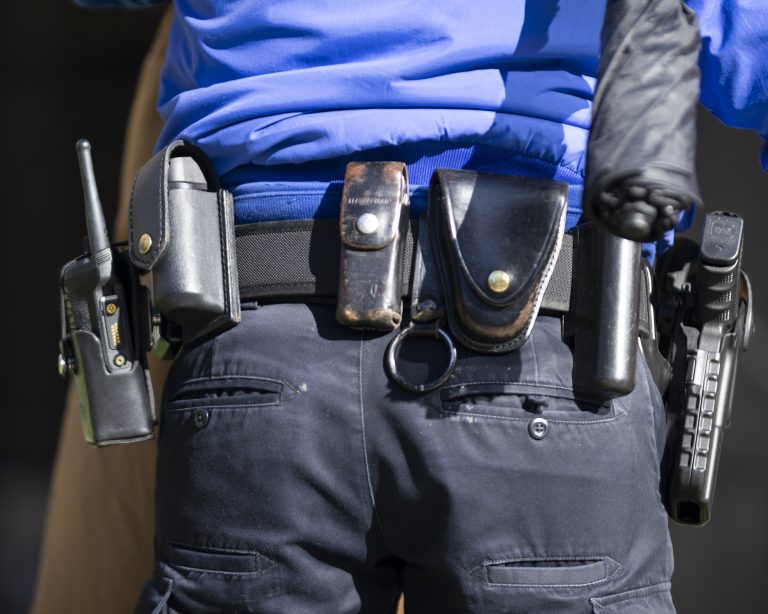
Compare four of the best law enforcement duty belts for police officers, including Bianchi, 5.11 and Condor options.…
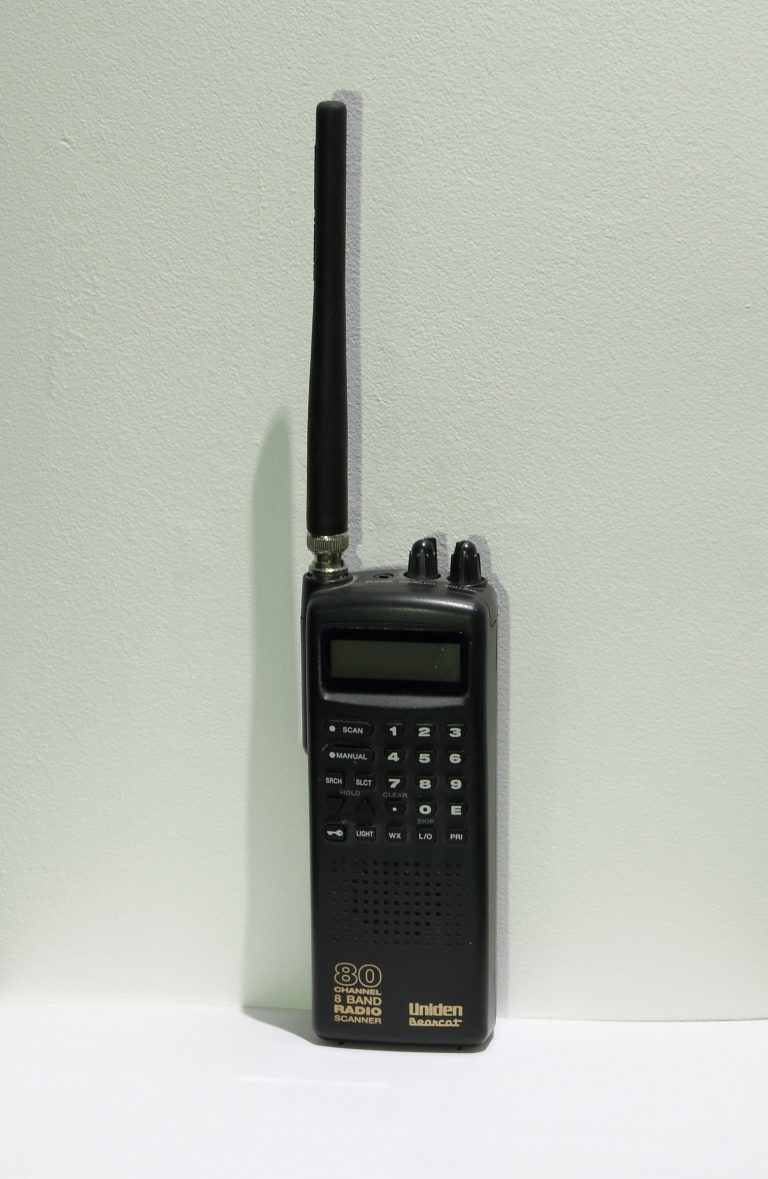
The best police scanners depend on your local radio system. Compare six current digital and P25 scanners, including…