What Radios Do Police Use? Police Radio Systems Explained
What radios do police use? Learn how police portable and mobile radios work, what P25 and trunking mean,…

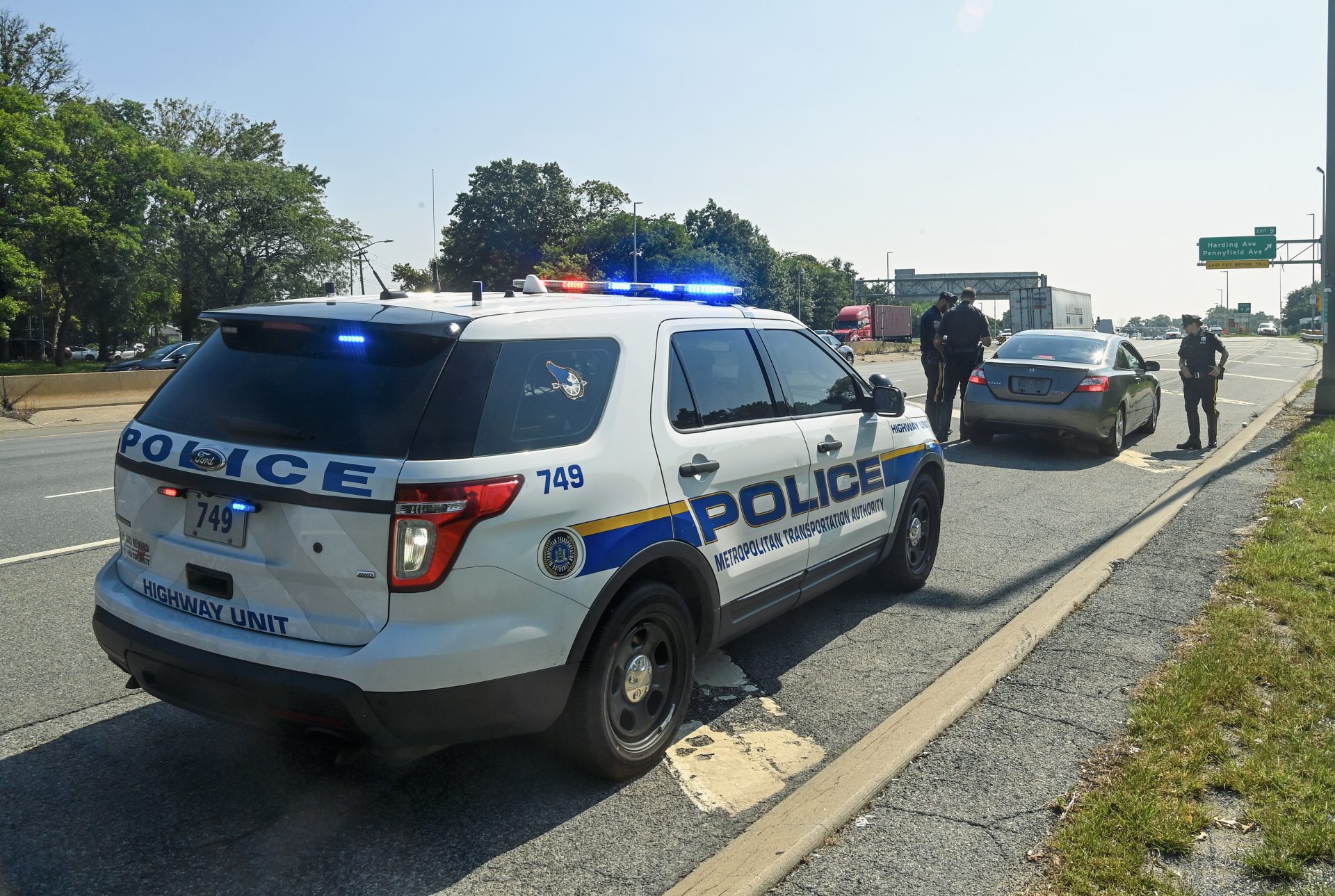
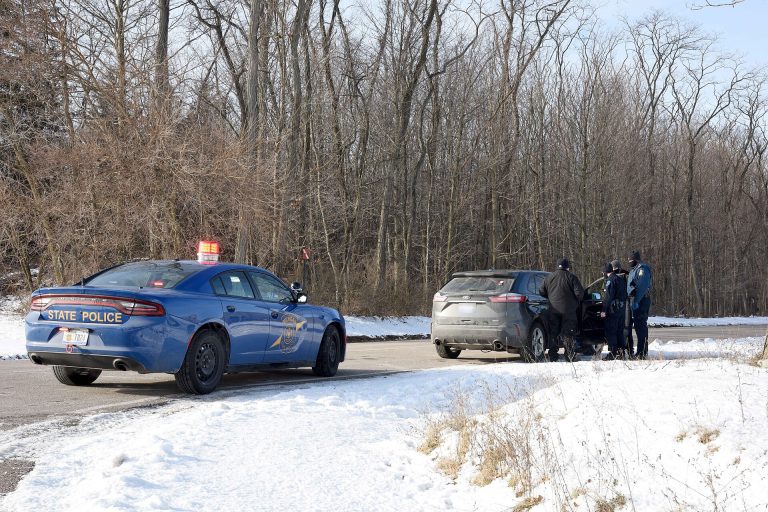
Police officers sometimes touch the rear of a car during a traffic stop, but it is not a universal rule and modern policing does not depend on it. The traditional explanations are that the officer was leaving evidence of contact with the vehicle and checking that the trunk was closed before walking alongside it.
You will often hear a more dramatic version: the officer touches the taillight so fingerprints will prove which car was involved if the officer is attacked. There is some practical logic behind that old habit, but it should not be mistaken for a nationwide mandatory procedure.
Before body cameras, dash cameras, automatic license-plate records and modern dispatch systems became common, physically touching a vehicle could leave evidence that an officer had contacted it. In a worst-case scenario, that might help connect the officer to the vehicle later.
That explanation is usually why people specifically talk about touching a taillight or rear quarter of the car.
That is another traditional explanation. An officer approaching from behind may press on the trunk lid while moving toward the driver’s window. If the trunk were unexpectedly open, discovering that from the rear is better than finding out after walking past it.
But again, tactics vary by agency and training. You should not expect every officer to perform the same ritual on every stop.
Some do. Others do not. Modern patrol cars, body-worn cameras and digital dispatch records create far more documentation of a traffic stop than a fingerprint on dusty paint ever could.
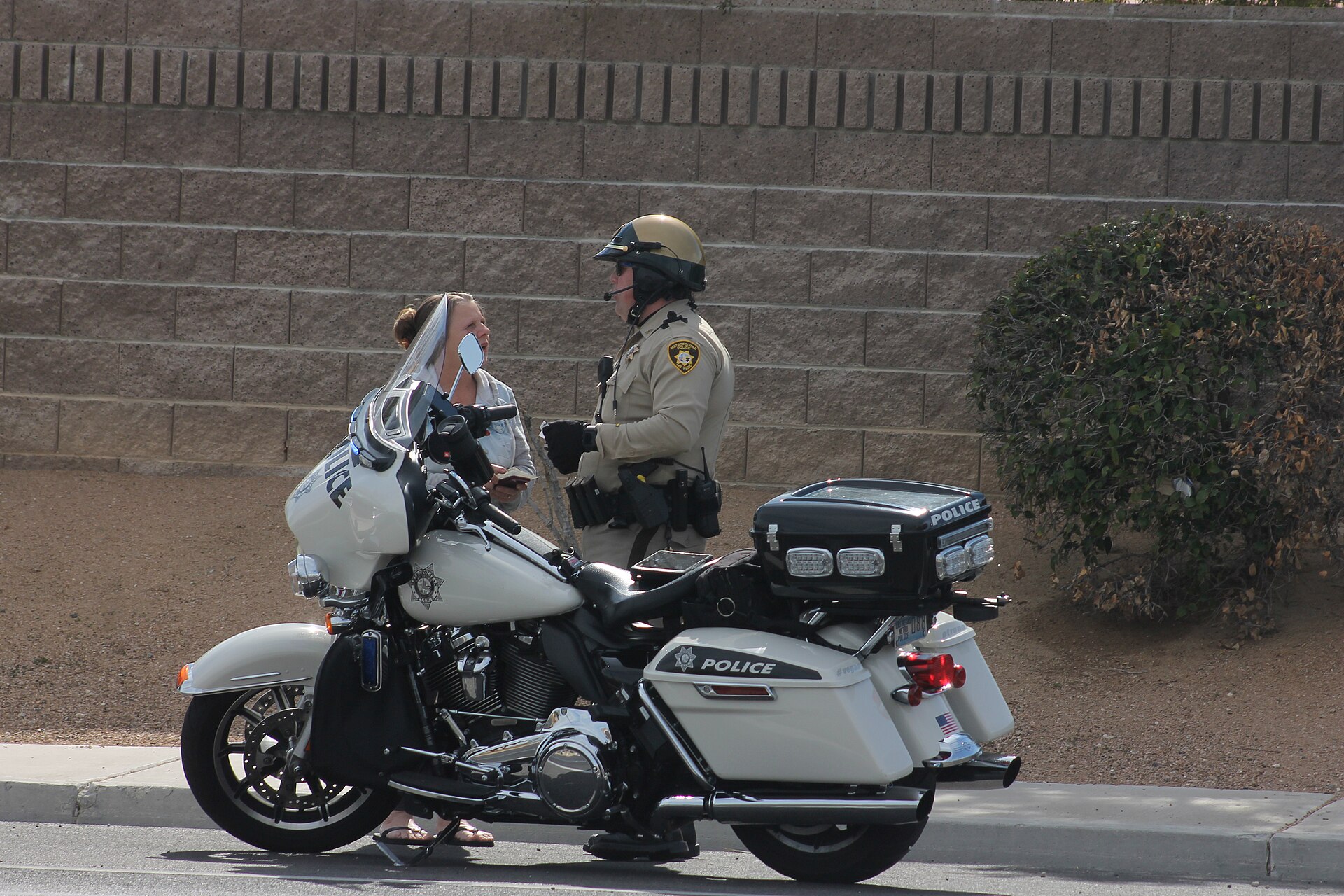
Officer-safety tactics depend on the road, traffic, occupants, lighting and what the officer knows about the stop. Sometimes an officer approaches the driver’s side. Sometimes the passenger side provides a safer position away from moving traffic or a tactical advantage.
That is why trying to decode one small movement as though every traffic stop follows a fixed script is usually a mistake.
No. If an officer touches the rear of your vehicle, the act itself does not tell you whether the stop is routine or whether the officer suspects something else. It can simply be a habit learned during training.
Pull over somewhere reasonably safe, remain in the vehicle unless directed otherwise, and avoid sudden movements while the officer is approaching. If you need to reach somewhere that is not obvious, communicating what you are doing can prevent unnecessary confusion.
If the officer ultimately issues paperwork, our article on what a police citation means explains what happens next.
The “fingerprints in case the officer disappears” explanation is the best-known reason police are said to touch a car, and checking the trunk is another traditional rationale. But the practice is not universal, and modern technology has reduced the importance of leaving a physical trace on the vehicle.
What radios do police use? Learn how police portable and mobile radios work, what P25 and trunking mean,…
There is no single national police written exam. Learn how tests such as PELLETB and NTN FrontLine differ,…
Police field training bridges the gap between academy and solo patrol. Learn what FTO means, how phases and…