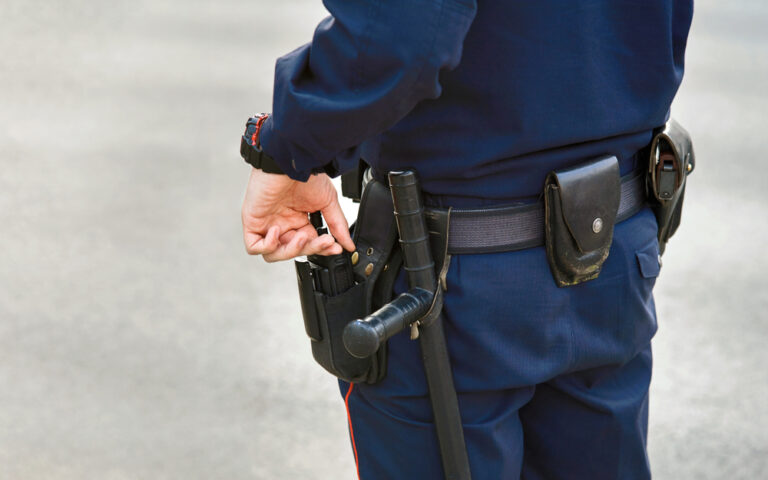
4 Best Radio Holsters for Duty Belts (Police Picks 2026)
Compare four radio holsters and pouches for police duty belts and outer carriers, including Zero9, Bianchi, 5.11 and…

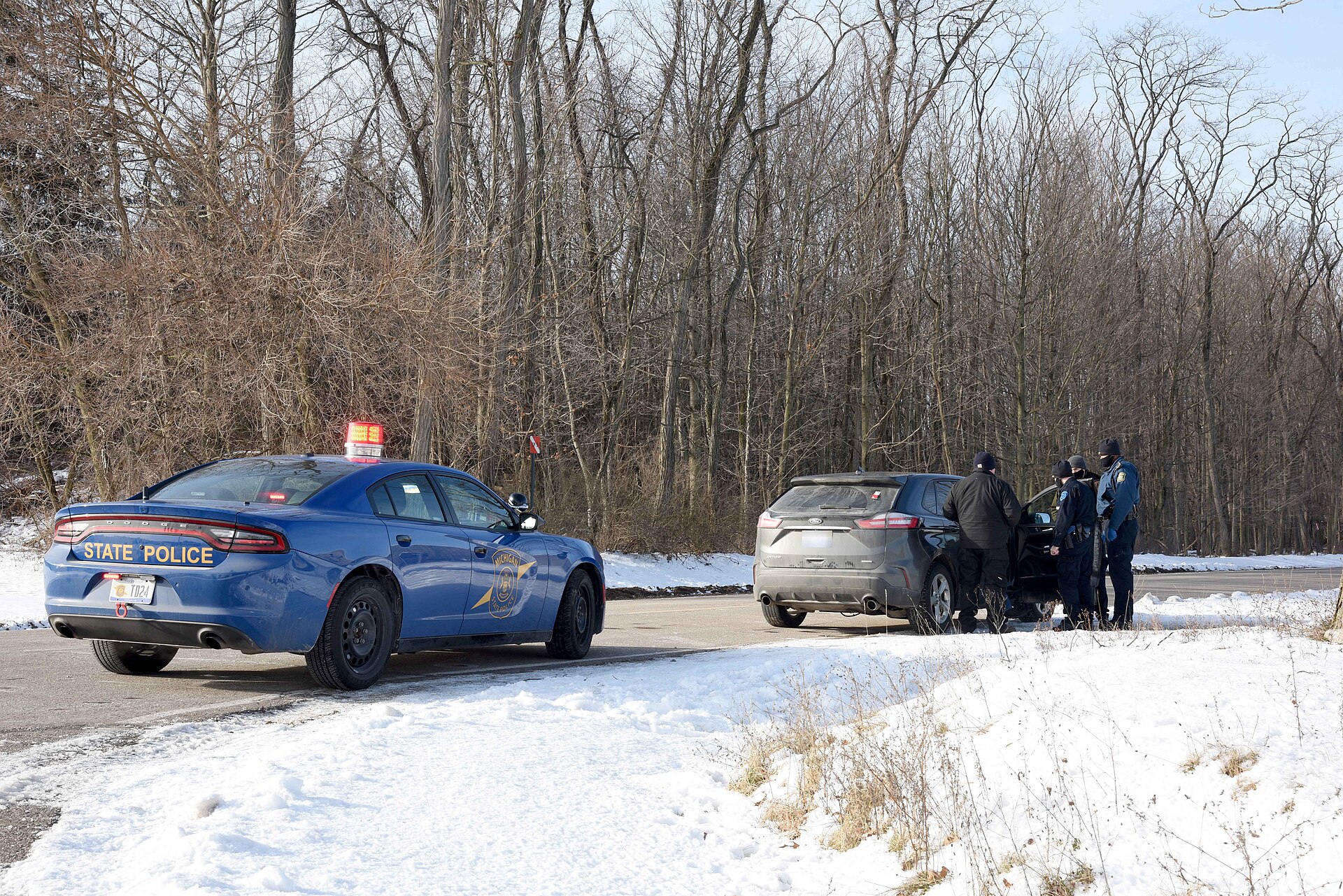
A police citation is a written notice accusing someone of a violation and telling them what they need to do next. In everyday U.S. policing, that often means a traffic ticket, but citations can also be used for some non-traffic offenses instead of taking a person into custody.
The exact legal effect depends on the state and the offense. That is why I would not treat “citation,” “ticket” and “summons” as perfectly interchangeable in every jurisdiction, even though people often use the words that way.
For a routine traffic stop, the officer identifies the driver, documents the alleged violation and issues the citation. The paper or electronic notice normally identifies the offense and explains whether you must pay, respond to a court, request a hearing or take some other action. If you have ever wondered about another common roadside habit, I also explain why some police officers touch the back of a car during a stop.
From an officer’s side of the window, a citation is not the same thing as a roadside conviction. The officer is documenting an allegation. If you contest it, the court—not the officer standing beside your car—ultimately decides the case.
Usually, when someone says they “got a ticket,” they are talking about a citation. Traffic agencies and courts use different terminology, but the practical idea is similar: you have been formally notified of an alleged violation.
The important part is not the label at the top of the form. Read the instructions, the cited statute or ordinance, the response deadline and the court information.
No. A citation can be an alternative to a custodial arrest for offenses where the law and circumstances allow it. You can therefore be accused of an offense without being handcuffed, transported to jail or booked.
That does not make the citation optional. Ignoring a required court appearance or response can create a separate problem.
This depends on the jurisdiction. In some places, a signature is an acknowledgment that you received the citation or a promise to respond—not an admission that you are guilty.
If an officer asks you to sign, do not assume that refusing makes the underlying allegation disappear. Check the wording on the citation and the law in the state where it was issued.
Potentially, but “your record” can mean several different things. A traffic conviction may affect a driving record. A criminal citation may create a court record. An agency may also retain its own record of the encounter.
The outcome matters too. A citation that is dismissed is not the same thing as a conviction.
Yes. Depending on the case, a person may contest the allegation, raise a legal or factual defense, correct a qualifying defect, or have a charge reduced or dismissed. Procedures vary widely.
If the citation gives you a court date, deadline or instructions for requesting a hearing, follow those instructions rather than relying on a generic internet answer.
A typical citation can include the person’s identifying information, date and location, the alleged violation, statute or code section, vehicle information in traffic cases, the issuing officer and agency, and instructions for responding.
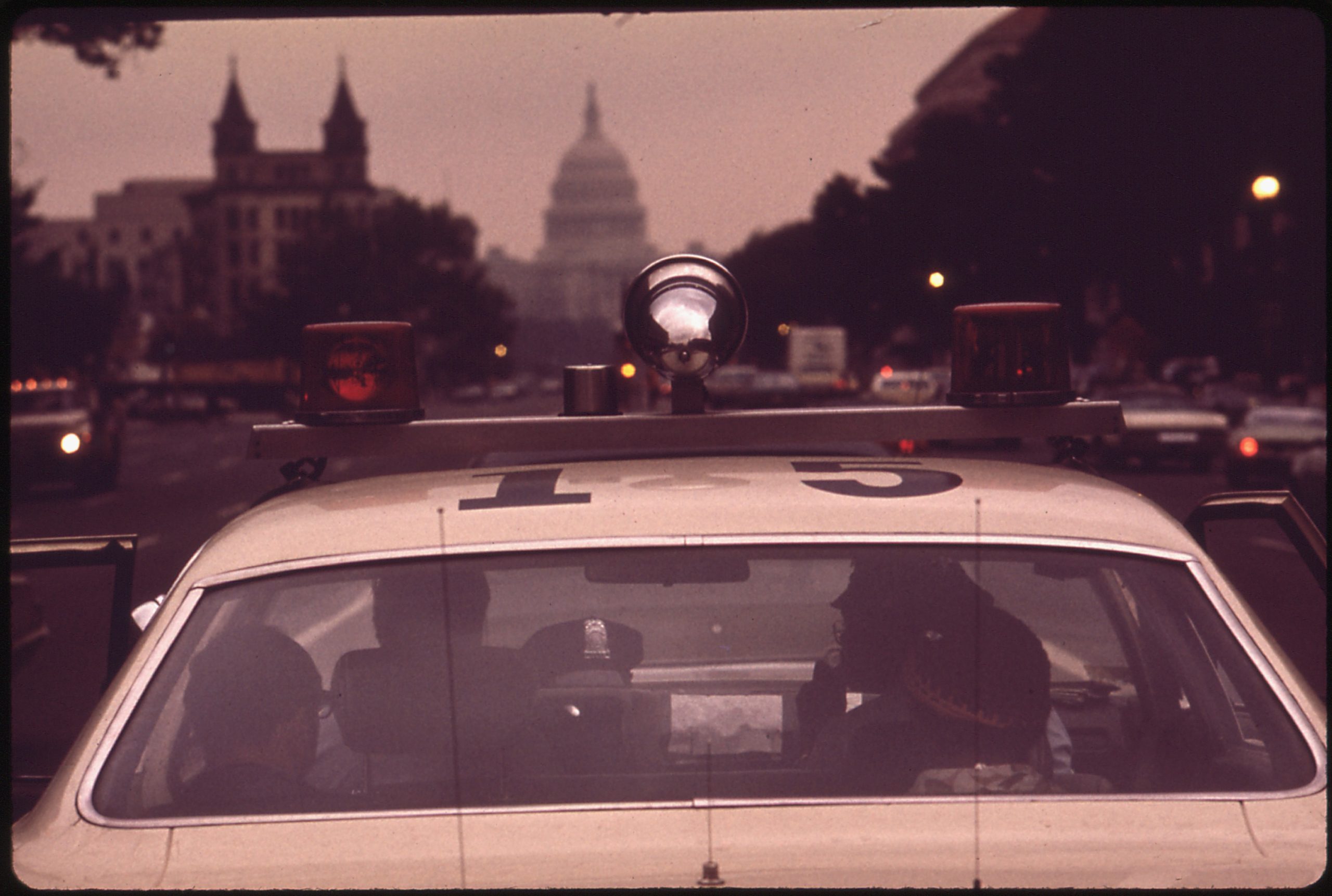
That is different from the fuller narrative you may see in an incident or arrest report. If you are trying to understand those documents, see our guide on how to read a police report.
First, read the entire citation. Confirm the response deadline and whether an appearance is mandatory. Keep the document. If you plan to contest it, preserve anything relevant while it is still available.
And remember that rules differ by state, county and type of offense. For a serious charge or anything you do not understand, local legal advice is more useful than assuming every citation works like a speeding ticket.
This article provides general U.S. information and is not legal advice.
Compare four radio holsters and pouches for police duty belts and outer carriers, including Zero9, Bianchi, 5.11 and…
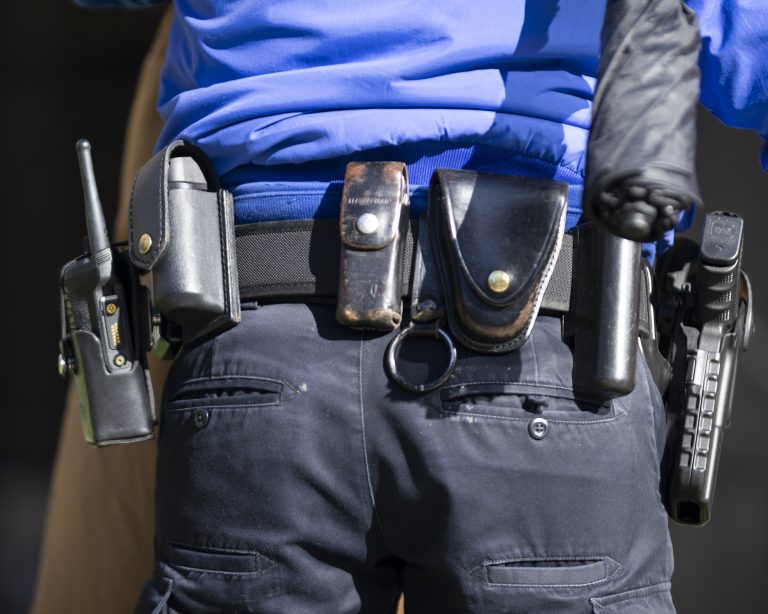
Compare four of the best law enforcement duty belts for police officers, including Bianchi, 5.11 and Condor options.…
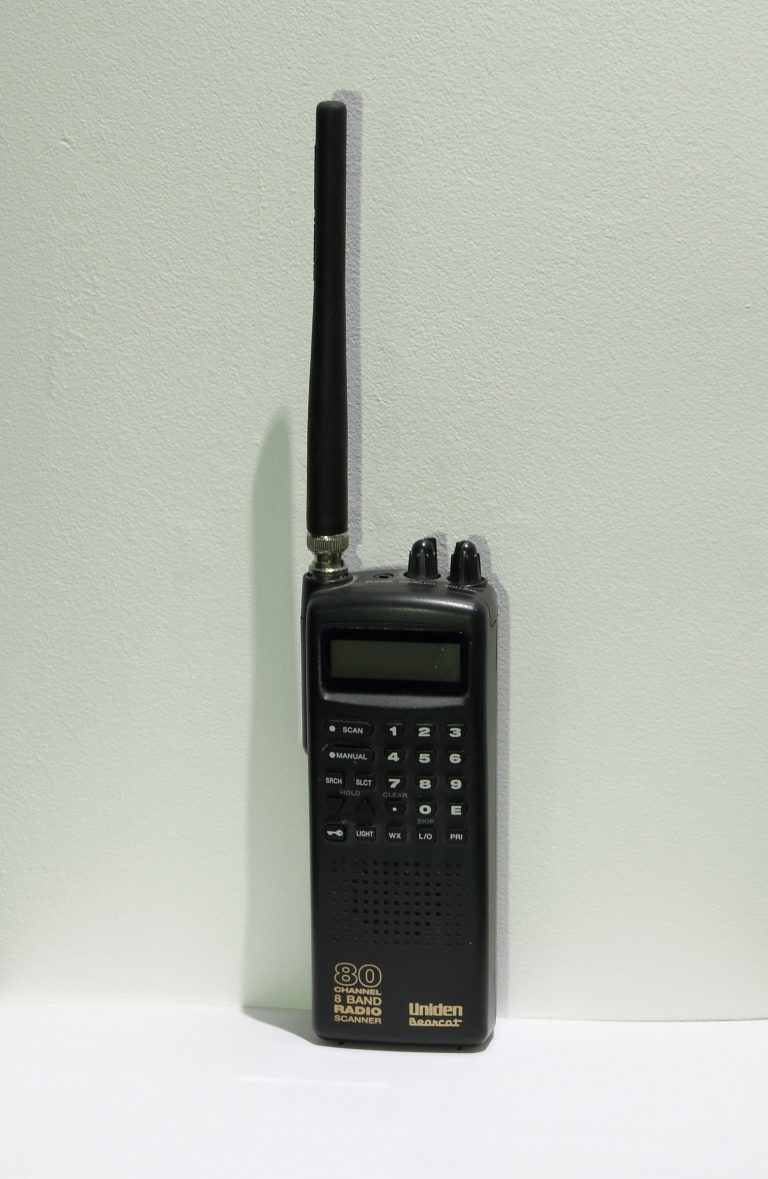
The best police scanners depend on your local radio system. Compare six current digital and P25 scanners, including…