4 Best Radio Holsters for Duty Belts (Police Picks 2026)
Compare four radio holsters and pouches for police duty belts and outer carriers, including Zero9, Bianchi, 5.11 and…

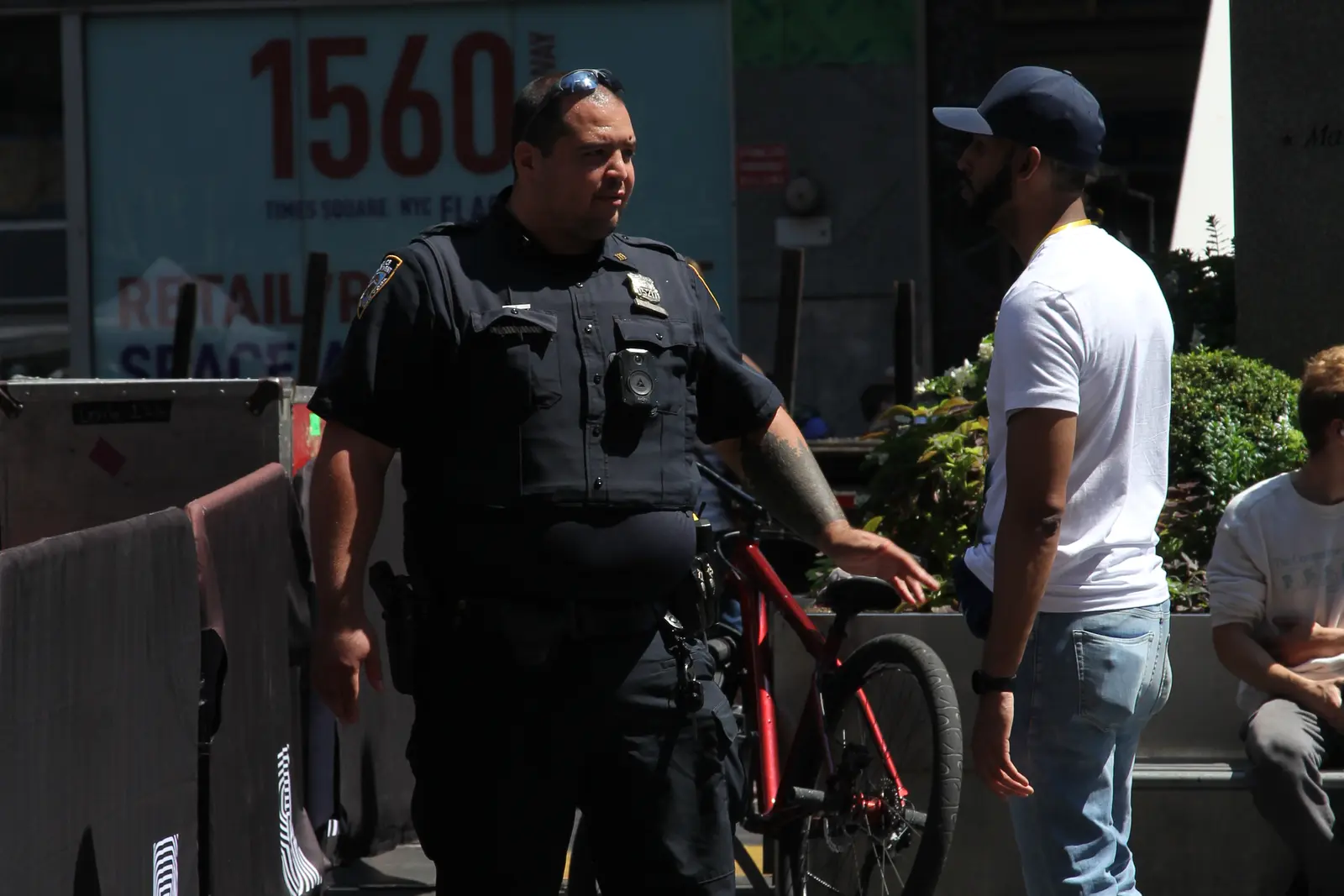
These are good questions to ask a police officer during a casual conversation, a school interview or a community event. They are not questions for the middle of a traffic stop, an active call or a serious crime scene. Timing matters: if the officer is listening to the radio, speaking with someone or moving with purpose, let them work.
People often want to talk to an officer but worry about saying something stupid or insulting them. Most of the questions below are easy conversation starters, and the answers can tell you far more about police work than another rehearsed television interview.
The list below works best for a relaxed, voluntary conversation. If you are doing a school or career interview, questions about training, difficult parts of the job, proud moments and what television gets wrong usually lead to the best answers.
This article does not address questions you may have when you’re the victim of a crime or even if you have committed a crime. It is meant to give you tips on what you can ask cops during casual, friendly encounters.
This is the most common question civilians ask when they see us taking a break or having a bite to eat.
Beware that some of our less socially capable colleagues take this as an accusation of being lazy. However, most officers understand that it’s a phrase to start a conversation.
If you ask this, you will probably get an answer about how busy their shift has been, facilitating a further conversation.
Police officers are expected to be familiar with the area they work in. And rightfully so! Few people know their local streets and sites as well as police officers, ambulance workers, and cab drivers. So if you ask an officer for directions, you can expect a good answer.
Make sure you don’t ask someone busy with something important.
We often get asked this when securing a crime scene, ensuring no one gets in. If the answer to the question is obvious, like a car accident, you can expect to get an answer to your question.
If something serious has happened, the officer may be unable to tell you much. The investigation may be active, private information may be involved, or the department may want information released through a supervisor or public-information officer. Do not assume the officer at the tape line is free to explain the case.
Be sure to only ask this question if the scene is calm and quiet and not if the officers are having a serious talk among themselves or talking on the radio.
You need to assess the situation before asking this question. A quiet foot patrol, community event or other obviously relaxed moment is a much better time than an active call. Read their body language and be prepared for a polite no.
Even if you read the situation correctly, the officer(s) might not want their photo spread on the internet. If they tell you no, you have to respect it.
Pro tip: you will have the best chances of succeeding if you ask an officer that looks laid back and informal.
People who are thinking about a police career ask this all the time. It is a good question because the answer usually reveals which part of the process that particular officer found hardest—getting hired, the academy, field training or simply adjusting to the job.
If you are asking because you might apply yourself, our separate guide explains how hard police academy is and what recruits should expect.
There is no one answer. Education requirements range from a high school diploma to college coursework or a degree, academy length varies by agency and state, and new officers commonly complete additional field or on-the-job training after the academy.
So the useful question is not only “How long is the academy?” but “How long does the whole hiring and training process take where you work?” If you want to see the job before applying, a police ride-along can give you a much better idea of what everyday police work actually looks like.
You should ask the cops that patrol your home area. They may not have thought about it before, and you make them somewhat more accountable for their actions because they have to say it out loud.
Don’t touch it! Keep your hands far away from said things. You can point at it from a distance.
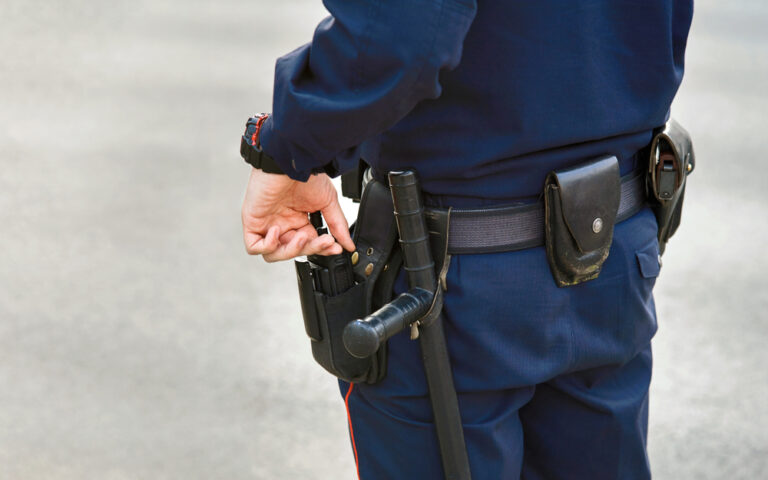
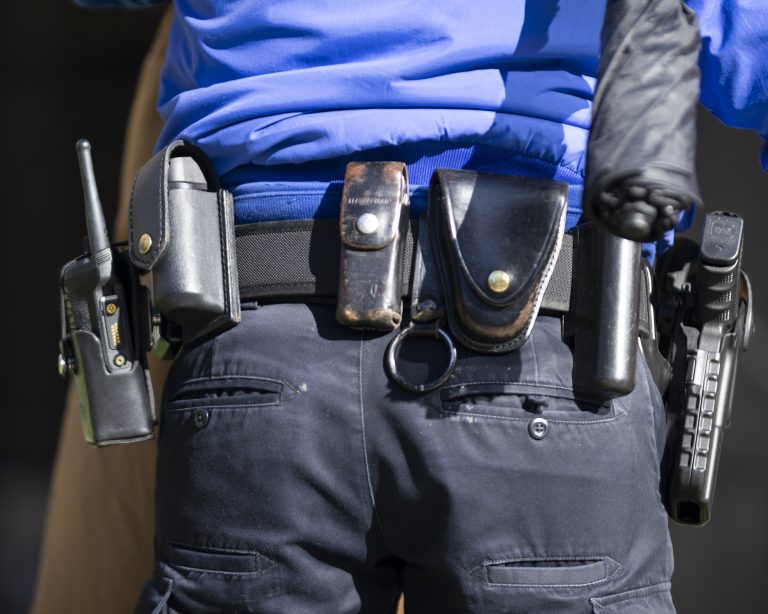
Most of the gear the police officer carries on their person is placed in their belt.
Do you know what else cops carry in their belts? Their gun!
Suppose a cop senses that you are very interested in things in their belt, without keeping a respectful distance. In that case, the officer will get bad vibes from you. This can lead to them not being as laid-back as you’d wish.
There are plenty of nutcases out there who have a gun obsession, and many of us have experienced them trying to touch or take our gun.
Here you give the police officer a chance to shine! Everyone has one or several stories that they are really proud of.
In my experience, these are the most common things cops are proud of:
Depending on what surroundings the cop is from, their friends and family might have been proud or disappointed with them becoming a cop.
There are some subcultures and groups that hate the police, and there are others that love it. What they have in common is that their idea of what being a cop is about is almost always entirely wrong.
This is a question that might humor a lot of cops, and you can get a lot of interesting answers.
One thing is sure; almost every show gets a lot wrong! If I were to pick one thing, it would be that something exciting always happens. For 99.99% of officers, there are extended periods between when something extraordinary occurs.
People are different. Some get stressed out from everyday situations. Others stay calm in the most stressful conditions.
The answers to this question might vary a lot.
Some use breathing techniques.
Others go to their “happy place” mentally.
The officer you ask these questions might have a routine you can learn from. But don’t be surprised if someone tells you that they don’t know how to cope accordingly and get very stressed out.
I’m sure every cop you meet has made up their mind even before you ask this question.
The answers will vary a lot. Some hate waiting, and others hate stressful situations. Some dislike traffic duty; others love it.
One final bit of advice: ask one question and listen to the answer. The best conversations usually come from a natural follow-up, not from working through a checklist. If you are especially curious about the equipment, start with this police gear list before asking why a particular officer carries something differently.
Compare four radio holsters and pouches for police duty belts and outer carriers, including Zero9, Bianchi, 5.11 and…
Compare four of the best law enforcement duty belts for police officers, including Bianchi, 5.11 and Condor options.…
The best police scanners depend on your local radio system. Compare six current digital and P25 scanners, including…