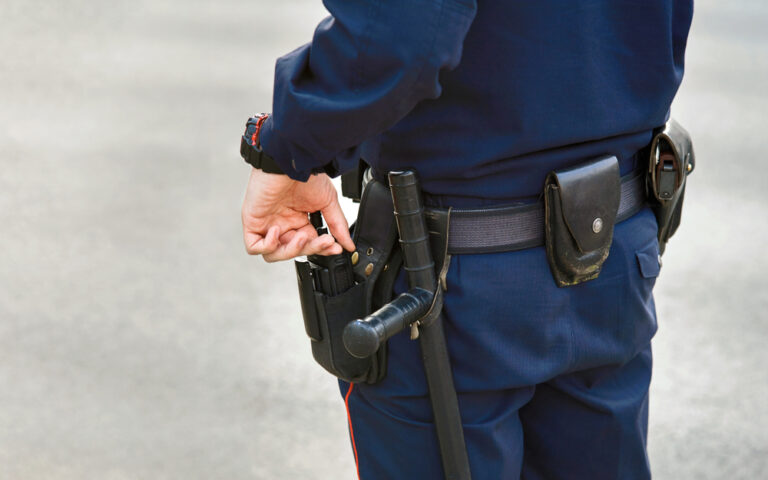
4 Best Radio Holsters for Duty Belts (Police Picks 2026)
Compare four radio holsters and pouches for police duty belts and outer carriers, including Zero9, Bianchi, 5.11 and…


If someone calls the police on you, dispatch first records what the caller reports and decides how urgent the situation sounds. Officers may come to speak with everyone involved, check for immediate danger, look at available evidence and decide whether there is reason to take further action.
The caller does not decide whether you are guilty, and a call does not automatically lead to a ticket or an arrest. Having worked both dispatch and patrol, I can tell you that the first information officers receive is often incomplete. It is a starting point, not a verdict.
If the call concerns someone’s immediate safety, it may instead be handled as a police welfare check.
The call-taker asks questions about the location, what is happening, who is involved, whether anyone is injured and whether weapons are present. Those questions help dispatch send the right response. This is also how the process is described in the National 911 Program’s guidance for callers.
Dispatch then relays the relevant details to the officers. Even if the caller makes wild or untrue accusations, the police may still arrive prepared for the situation as it was reported. They cannot safely assume the caller exaggerated before they have checked.
On arrival, officers normally scan the area, identify immediate threats and try to work out who is involved. They may ask about weapons, injuries and identification. Depending on the call and local procedures, they may also check for active warrants, protection orders or other information relevant to safety.
Once the scene is reasonably safe, they separate people when necessary, gather accounts and look for evidence. Someone may be temporarily detained—and in a higher-risk situation, sometimes handcuffed—while officers establish what happened. That does not by itself mean the person has been arrested.
Are you living in a home with domestic abuse? Get free and find support! Findahelpline.com helps you find the contact details you need to get help.
Maybe—but not merely because somebody called. The outcome can be no further action, a written police report, a warning, a citation or an arrest. It depends on what officers can establish, the seriousness of any suspected offense, local law, active warrants and department policy.
The police are used to arriving at “he said, she said” situations. Even if you know you are in the right, they cannot simply take your side at the door. They may compare accounts, speak with witnesses and look at injuries, damage, recordings, messages or other evidence.
If you have relevant evidence, point it out calmly and explain where it came from. Do not alter it, delete it or try to coach other people on what to say.
If officers believe you may have committed a crime, you can ask whether you are free to leave. If they want a detailed interview about possible criminal conduct, consider speaking with a lawyer before answering. This is general U.S. information, not legal advice.
The officers’ initial approach is influenced by what dispatch told them. If the caller reports violence, weapons or an immediate threat, officers may arrive in greater numbers and with weapons readily available or drawn. The report may be wrong, but they do not know that yet.
Keep your hands visible, avoid sudden movements and follow immediate safety instructions. If there is a weapon nearby, tell the officers where it is rather than reaching for it. Once the scene is under control, de-escalation and information-gathering should take over.
Equipment is only part of the response. Communication, judgment and other police officer skills are often what bring a confused call to a safe conclusion.
Officers may issue a citation or make an arrest when the law and the facts support it. Prosecutors generally decide which formal criminal charges to pursue after reviewing the case.
A call to a private home can be more complicated than an incident in a public place. Officers often begin by listening and looking from outside, approaching the door cautiously and trying to separate the people involved. They may ask how many people are inside and whether weapons are present.
The police may ask to enter, but a call by itself is not automatic permission to search a home. Under the Fourth Amendment, searches inside a home without a warrant are generally presumed unreasonable, although consent and genuine emergency circumstances are among the possible exceptions. The U.S. Courts’ Fourth Amendment overview gives the basic framework.
If the visit is a later investigative follow-up rather than an active emergency response, our article on why a detective might come to your house covers that situation in more detail.
If you want to see how officers handle calls from the patrol side, a police ride-along can be an eye-opening experience.
A false or exaggerated report does not make you guilty. Officers still have to assess the situation for themselves. If there is video, a witness, a message thread or another simple piece of evidence that contradicts the caller, point it out without turning the scene into an argument.
Leaving merely because somebody threatens to call the police is not automatically an admission of guilt. But the circumstances matter. Leaving an accident scene, disobeying a lawful order, violating a protection order or fleeing after a crime can create separate problems. If officers are already there and tell you to stay, ask calmly whether you are being detained.
If the same person repeatedly makes false calls, keep a factual record of dates, incident numbers and any available evidence. Ask the local department how repeated or knowingly false reports are handled in that jurisdiction.
Stay calm, keep your hands visible and do not make sudden movements. Listen to immediate safety instructions. Explain what happened clearly, but do not guess or fill gaps with details you are unsure about.
A call can sound very clear in the dispatch log and turn out to be far more complicated when officers speak with everyone. Their job is to move from the caller’s version to the best picture the available facts support.
If the police contact you later by telephone rather than coming to the scene, see our separate guide to why the police may call you.
Compare four radio holsters and pouches for police duty belts and outer carriers, including Zero9, Bianchi, 5.11 and…
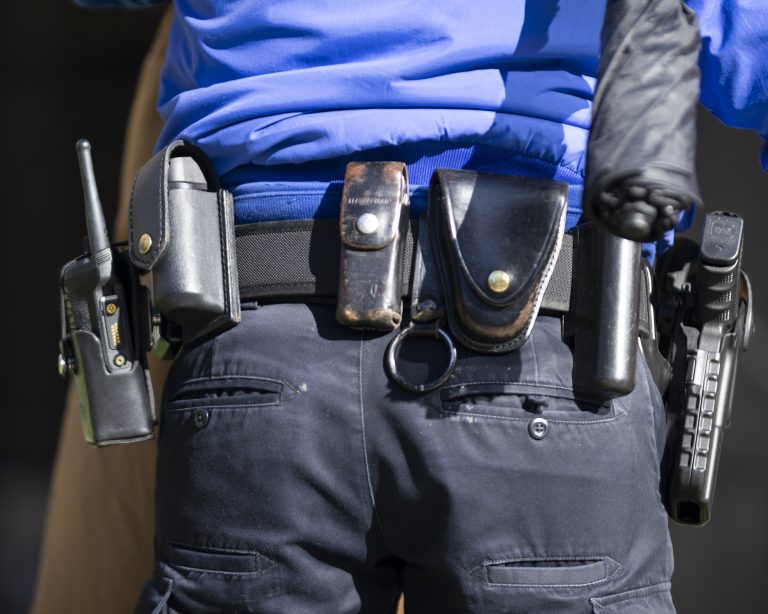
Compare four of the best law enforcement duty belts for police officers, including Bianchi, 5.11 and Condor options.…
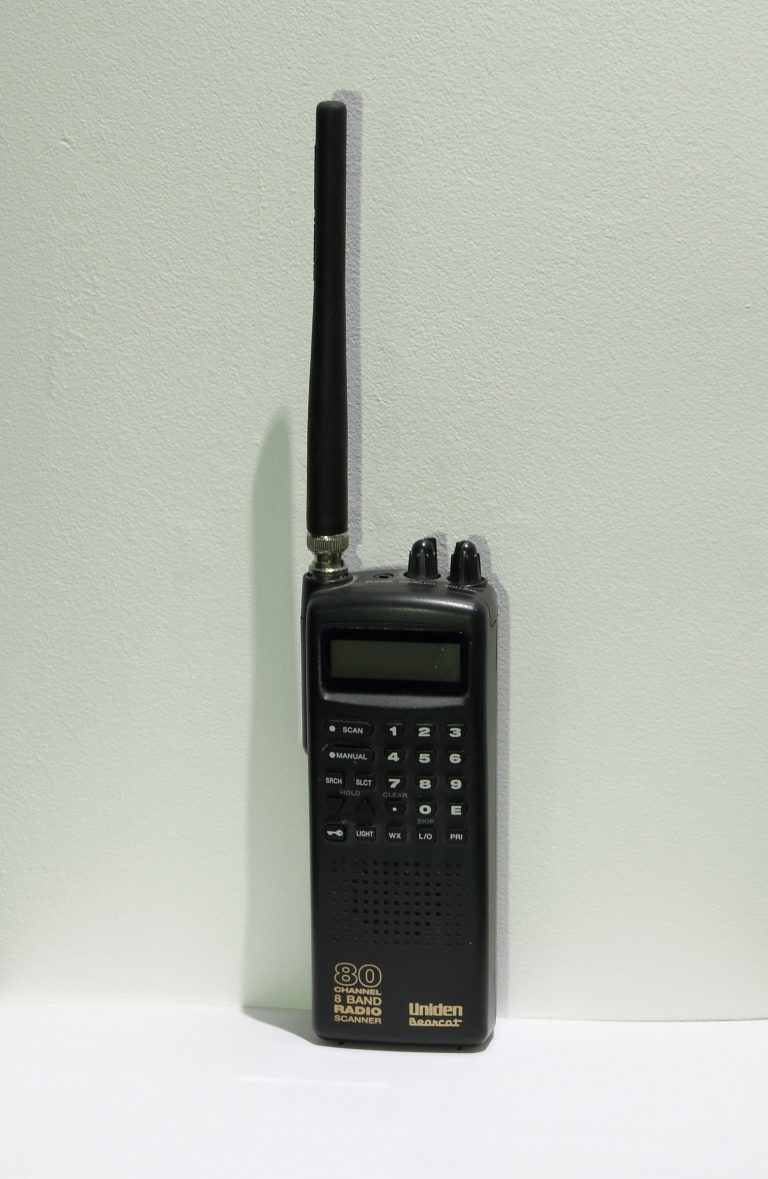
The best police scanners depend on your local radio system. Compare six current digital and P25 scanners, including…