
4 Best Radio Holsters for Duty Belts (Police Picks 2026)
Compare four radio holsters and pouches for police duty belts and outer carriers, including Zero9, Bianchi, 5.11 and…

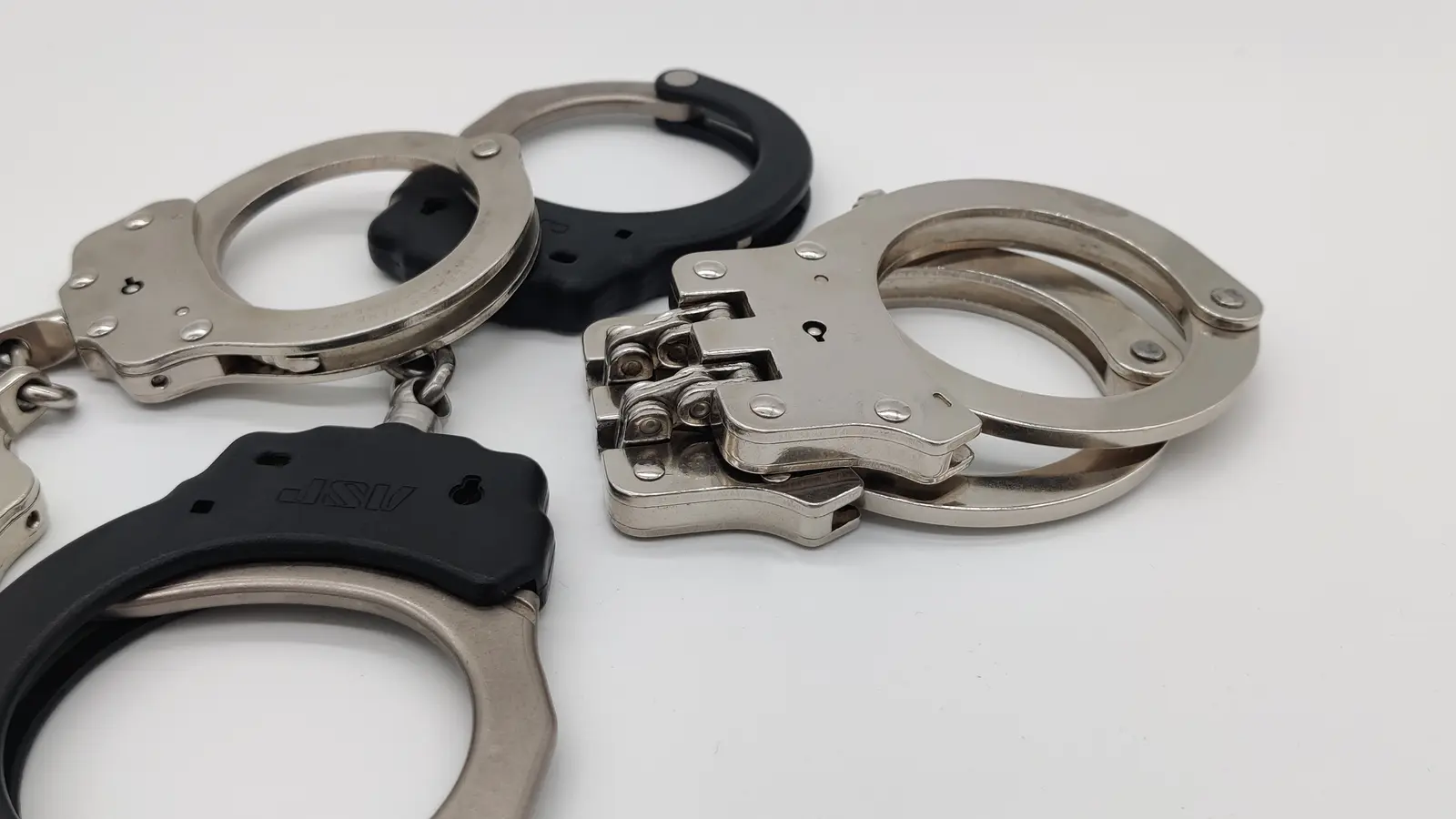
It’s easy to forget handcuff maintenance. I have in the past, but it can make a significant difference. When you invest in a quality pair of handcuffs, the last thing you want is for them to fall victim to dirt, grime, and rust.
My routine is straightforward: check the cuffs for damage, clean off dirt, let them dry properly, use a small amount of oil where it is needed, and wipe the excess away. I also test both the lock and double lock before putting them back in the pouch.
These are the steps that have worked for me, but handcuffs are not all built the same. Follow the instructions for your particular make and model, as well as your department’s procedures for contaminated equipment.
Before I reach for cleaners or oil, I take a quick look at the cuffs. I check the ratchet teeth, keyway, rivets, swivels, chain or hinge, and the double-lock mechanism. I also cycle each cuff a few times to make sure it moves and locks as expected. If you are unsure how standardized the keyway really is, see my guide to the universal handcuff key.
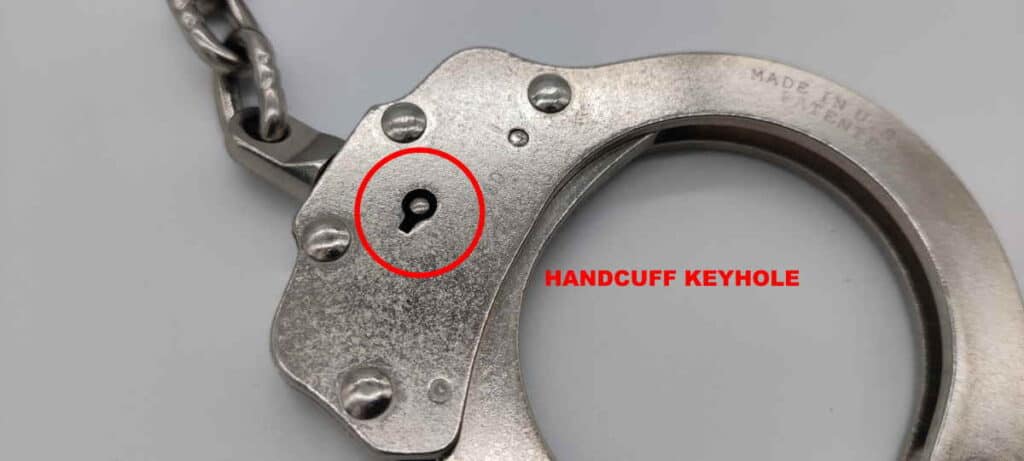
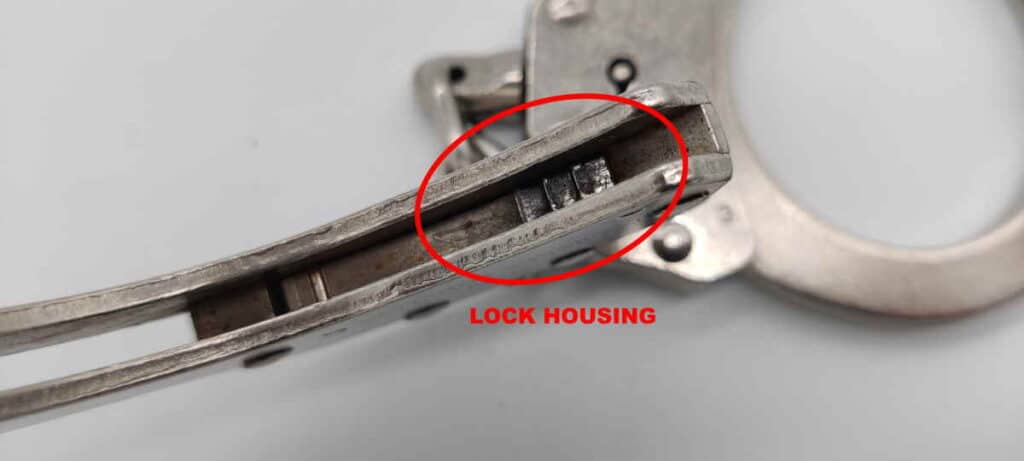
This is especially useful with a new pair, but I also try to cycle through my cuffs regularly so there is a fairly even amount of wear on each pair. Otherwise, I’m stuck trying to remember which pair is new and which one may need to be retired.
Cleaning and oil will not repair a bent bow, damaged teeth, a loose rivet, or a lock that works only some of the time. If something feels wrong, I would rather take the pair out of use and inspect it properly than hope it sorts itself out.
Another important part of avoiding rusty handcuffs is cleaning them regularly. I do not wait until they are heavily soiled. Dirt and lint tend to collect around the ratchet, keyway, rivets, and lock housing, so those are the places I check first.
For an ordinary clean, I wipe the exposed surfaces with a clean cloth and use a soft brush for dirt that has settled into small recesses. I avoid soaking the lock housing or experimenting with aggressive cleaners. A product that is safe for one finish or lock assembly may not be suitable for another.
Our department has an ultrasonic cleaner and lubricant bath that can provide a deeper clean. That is useful equipment, but it is not something I would copy with a homemade solution. The process, cleaning product, and exposure time still need to suit the handcuffs.
Whenever the cuffs have been exposed to water—whether from sweat, rain, or snow—I dry them properly before putting them away. I open and close the bows and check around the rivets, swivels, keyway, chain, and hinge. Moisture left in those areas is an easy way to end up with corrosion later.
Contamination needs more than my normal wipe-down. In that situation, I follow the department’s exposure-control procedure and the manufacturer’s instructions for that particular restraint. ASP, for example, gives specific cleaning and sterilization guidance for its cuffs and tells users to dry and relubricate them afterward. That does not automatically make the same process correct for every brand.
My cuffs are a little like my favorite baseball glove: they need some oil, but not as much as people sometimes think.
I use a lubricant suitable for the particular handcuffs and apply only a small amount. Depending on the model, the relevant points may include the rivet for the moving bow, the ratchet area, and the swivel or chain connections. The manufacturer’s instructions should settle where the oil belongs.
Peerless, for example, tells owners of its standard restraints to clean and lightly oil the ratchet and rivet areas. Its guidance is different for high-security and color-plated restraints, which is a good reason not to treat one oil or cleaning method as universal.
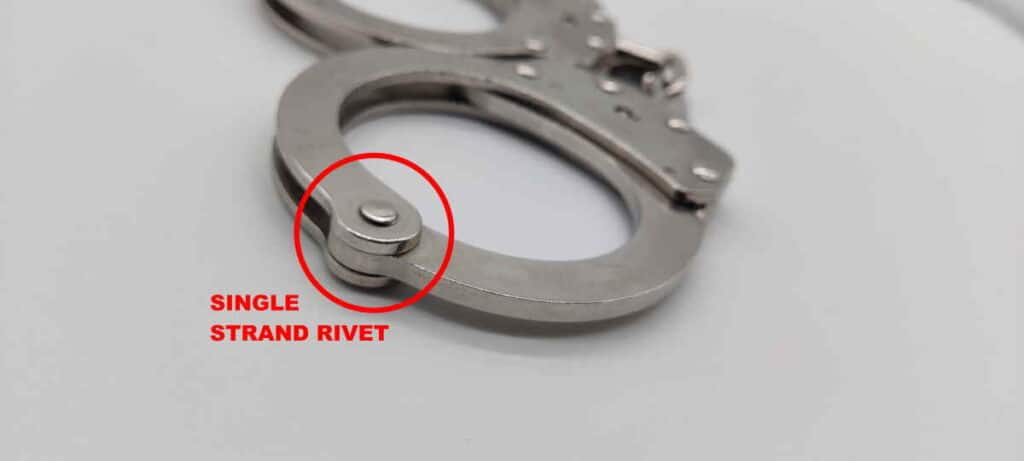
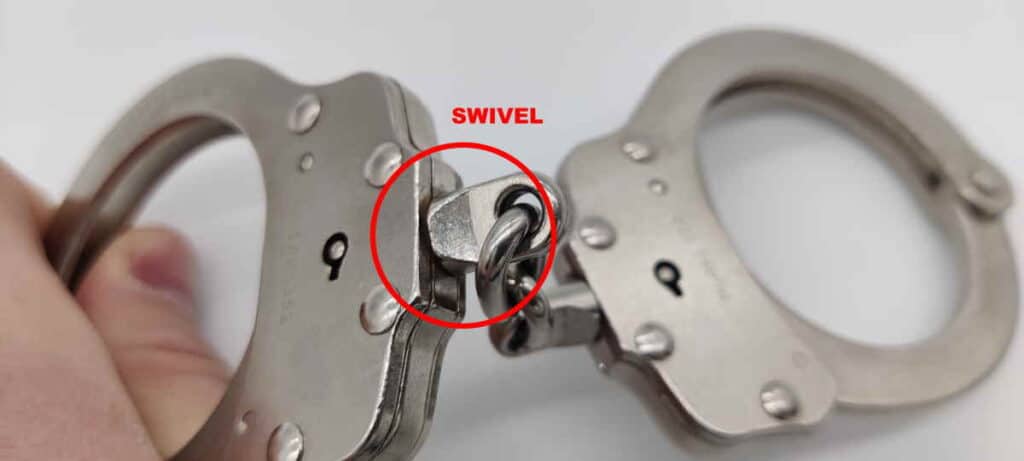
After applying it, I cycle the cuffs several times so the lubricant works into the moving parts. I engage and release the double lock, unlock both sides with the correct key, and then wipe the cuffs down.
Even though it can be tempting to apply a lot of oil, most of it needs to come off again. Too much oil makes the cuffs unpleasant to handle and gives dirt and grit something to stick to. Over time, that can work against the reason for oiling them in the first place.
I normally use a soft microfiber cloth to wipe away anything left on the surface. The cuffs should move smoothly, but they should not feel wet or greasy in my hands.
After cleaning and oiling, I test each side separately without putting the cuffs on a person. I run the bow through the ratchet, check that it holds, engage the double lock, and confirm that the bow can no longer tighten or loosen. I then release the double lock and unlock the cuff with the correct key.
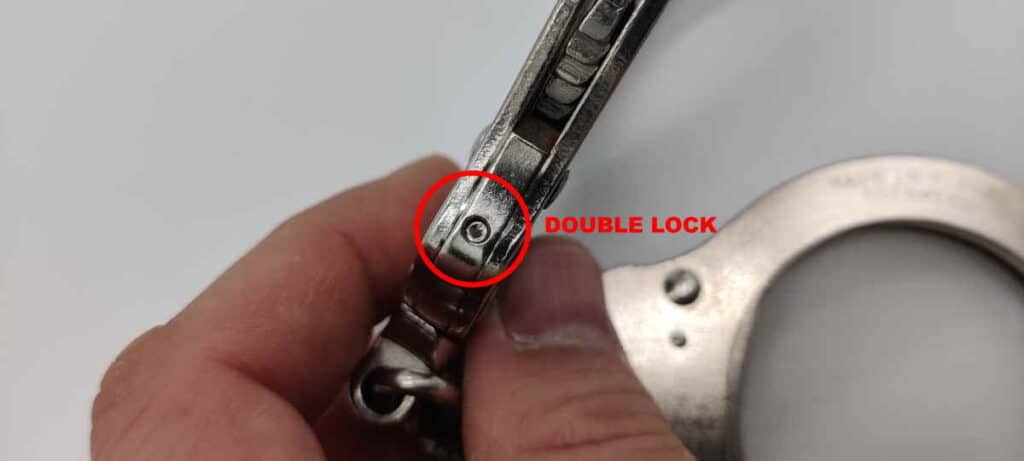
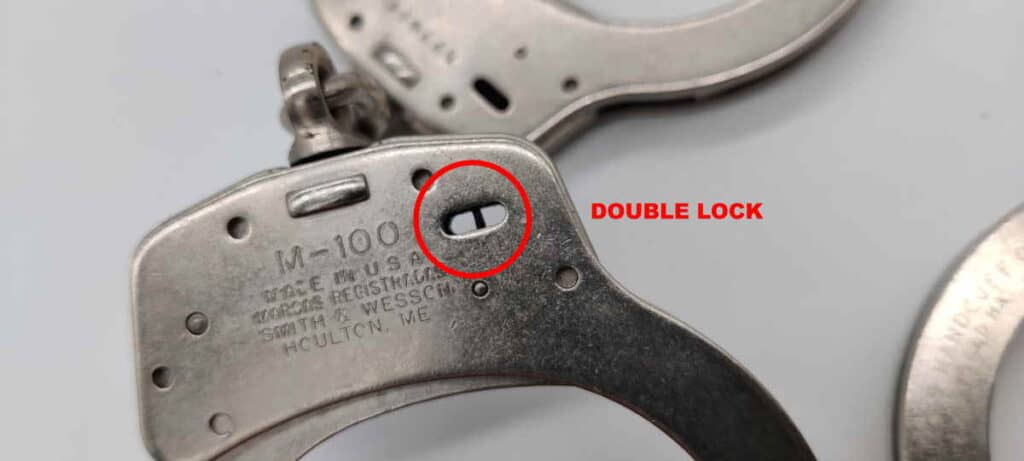
This only takes a moment. It is also the point when you are most likely to notice a lock that feels different, a bow that binds, or excess lubricant around the mechanism.
I do not think one fixed schedule works for everyone. Cuffs carried daily in wet weather will need more attention than a training pair stored indoors. I inspect mine regularly and clean them when they are dirty, after exposure to moisture, and after any incident that could have introduced sand, grit, or contamination.
Storage matters as well. A proper handcuff pouch helps protect the mechanism from dirt and moisture. I prefer to carry two reliable sets, and keeping them protected makes the maintenance easier.
For more on the differences between the designs, see our guide to the different types of handcuffs and the comparison of hinged and chain handcuffs. They have different moving and load-bearing points, but the basic routine remains the same: inspect, clean, dry, lightly oil, wipe, and test.
Taking good care of your police gear is part of being a responsible officer. Handcuffs are one of the essential tools of the job, and I would rather spend a few minutes maintaining them than discover a problem when I need them.
The main thing is not to overcomplicate it. Keep the cuffs clean and dry, use the right lubricant sparingly, wipe away the excess, and test the lock and double lock before returning them to your gear.
Compare four radio holsters and pouches for police duty belts and outer carriers, including Zero9, Bianchi, 5.11 and…
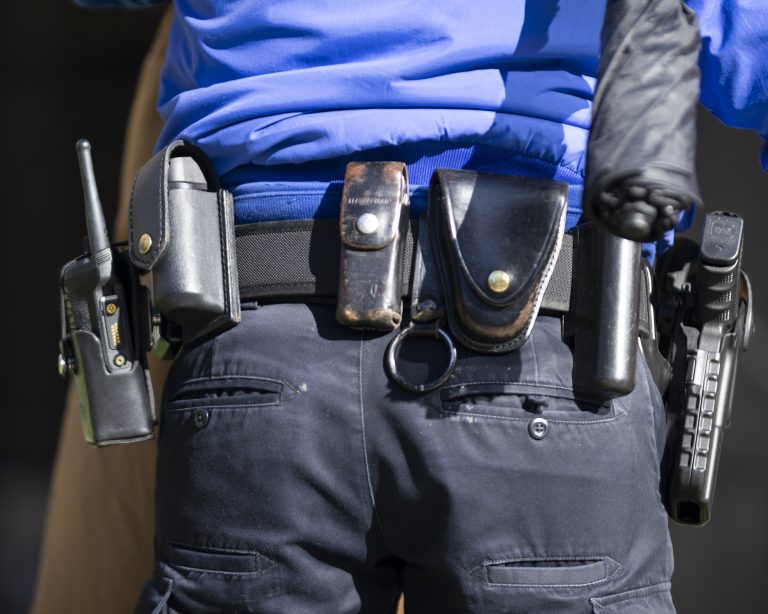
Compare four of the best law enforcement duty belts for police officers, including Bianchi, 5.11 and Condor options.…
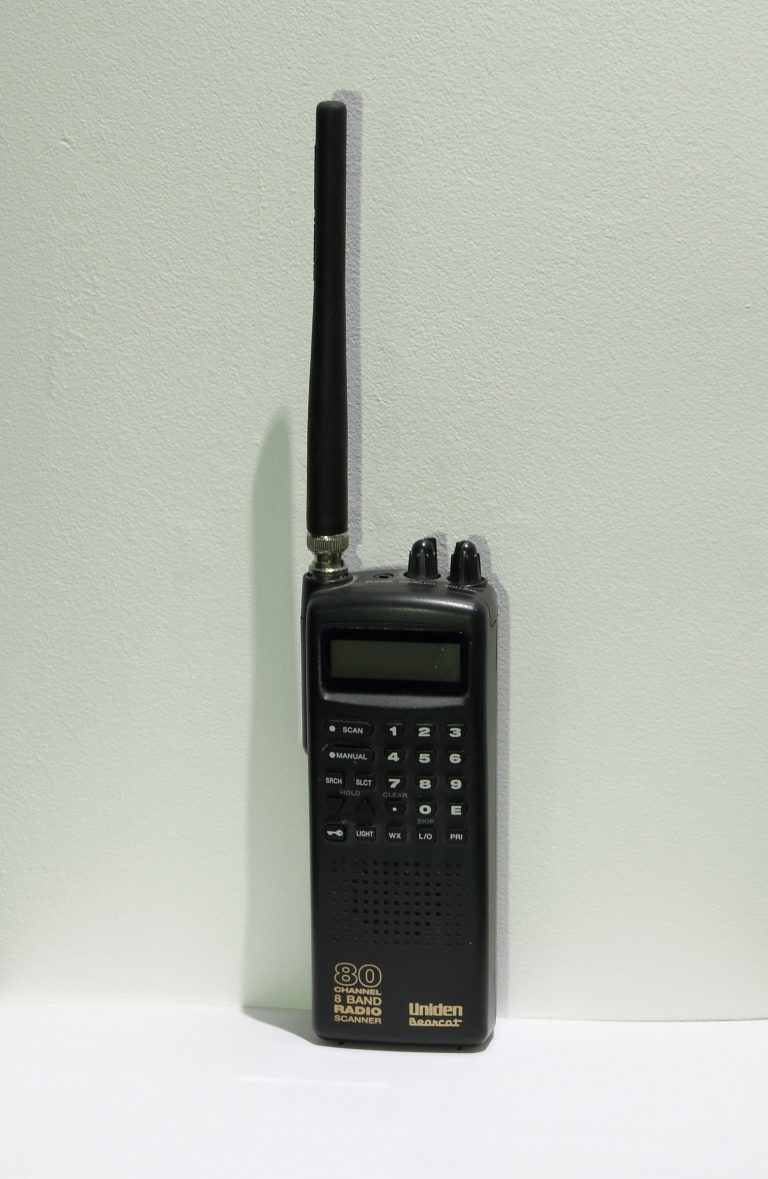
The best police scanners depend on your local radio system. Compare six current digital and P25 scanners, including…