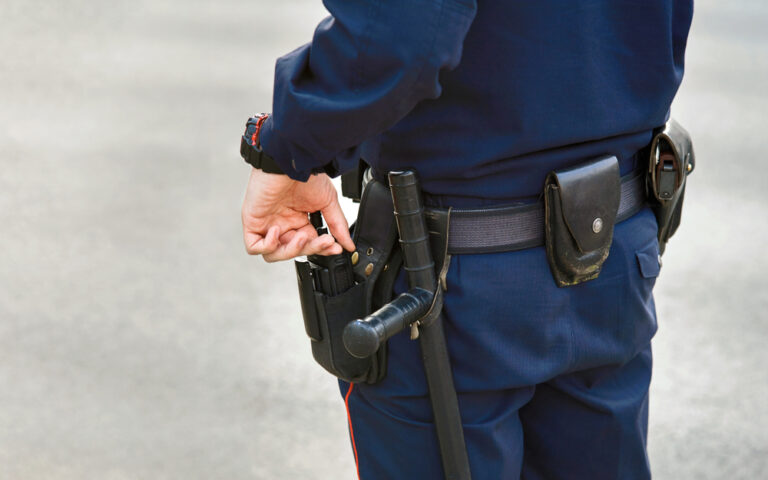
4 Best Radio Holsters for Duty Belts (Police Picks 2026)
Compare four radio holsters and pouches for police duty belts and outer carriers, including Zero9, Bianchi, 5.11 and…

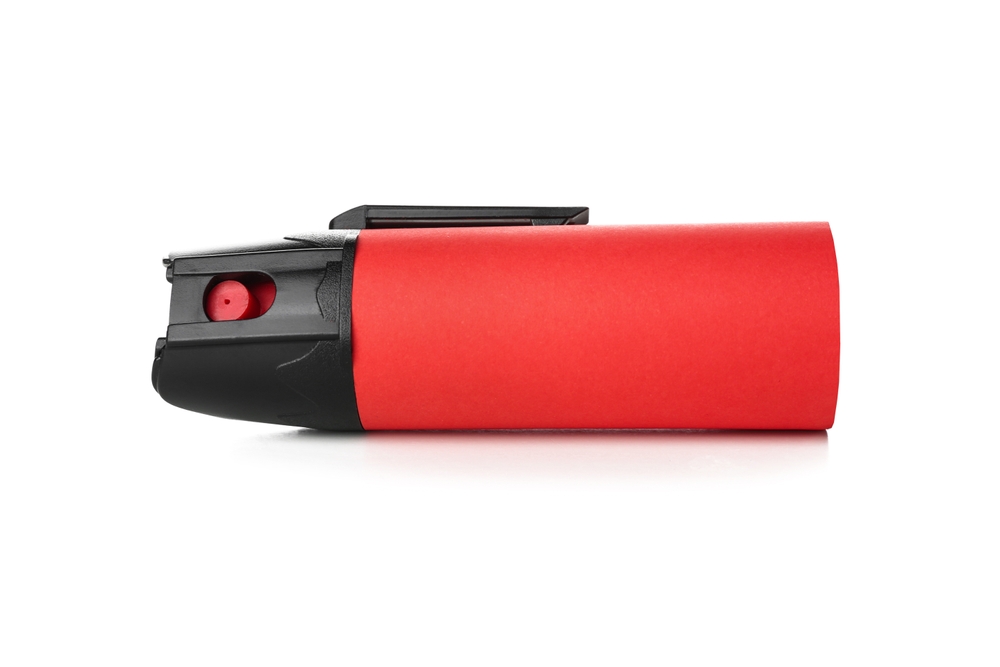
Yes, pepper spray expires. Most canisters have a marked shelf life of roughly two to five years, depending on the manufacturer. The spray may still contain active ingredients after that date, but that is not the same as having a canister you can rely on. Seals age, pressure drops, and the stream may not reach as far as it should.
If you work in law enforcement like me, equipment replacement is often handled by the department. For everybody else, it is worth checking the date printed on the canister now rather than discovering an old unit at the wrong moment.
The honest answer is: read the date on your own canister. Different manufacturers use different valves, seals, propellants and formulas. Mace says its products typically have a shelf life of two to five years. SABRE gives many of its canisters a four-year shelf life. POM also lists four years, although it recommends replacing a canister carried daily sooner because regular wear is different from sitting untouched on a shelf.
The printed expiration date is the useful deadline. Do not try to calculate it from the day you bought the spray; it may already have spent months in storage or on a store shelf. If the date is rubbed off or impossible to read, replacement is the safer choice.
Pepper spray is usually made with oleoresin capsicum, or OC, held in a pressurized canister. People often assume the pepper formula suddenly becomes harmless on the expiration date. The more practical concern is the delivery system.
Pressure can slowly escape through the valve and seals. An old canister may sputter, produce a weak stream or fail to reach its advertised distance. The contents may still irritate someone, but a self-defense product that sprays only a few feet—or does not spray at all—is not dependable.
This is also why an expired canister should not be kept as a backup. A backup that cannot be trusted is not much of a backup.
Replace it by the manufacturer’s expiration date. I would also replace it sooner if the canister has been used in a defensive incident, is leaking, is badly dented, has a damaged nozzle or safety mechanism, or produces an irregular stream during a manufacturer-approved test.
In law enforcement, we have a steady replacement of equipment, including pepper spray. Our supplies department will typically tell us when to replace our gear and turn the old ones in for replacement. A civilian does not have that reminder system, so putting a replacement date in a phone calendar is a simple habit that makes sense.
If you have used the canister even once in a real incident, you may not know exactly how much product or pressure remains. Replace it. The cost of a new unit is small compared with the uncertainty of carrying a partly discharged one.
Store it somewhere dry and within the temperature range printed by the manufacturer. Avoid prolonged heat, freezing conditions and direct sunlight. SABRE, for example, specifies 32°F to 120°F for its products and warns against leaving them in a vehicle.
A car is a tempting storage place, but its interior can become much hotter or colder than the outside air. Heat can raise pressure inside the canister; cold can reduce performance. A glove compartment also leaves the spray out of reach when you are away from the vehicle.
Carry the canister in a way that protects the nozzle but still lets you reach it. Check it occasionally for corrosion, dents, leakage or a safety tab that no longer moves properly. If you are deciding between delivery types, our comparison of pepper spray and pepper gel explains the practical differences.
Follow the instructions for your particular product. SABRE recommends an outdoor test once a year using a brief quarter-second burst. That is very different from holding the button down for several seconds, which wastes product and pressure.
If the manufacturer permits testing, choose an open outdoor area away from people, animals, doors, windows and air intakes. Keep the wind at your back so the spray travels away from you. Wearers of contact lenses and anyone with respiratory concerns should be particularly cautious around airborne spray.
A test tells you that the valve works at that moment. It does not extend the expiration date, and repeated tests gradually empty the canister. For deployment and safety advice, see our longer guide to using pepper spray.
Do not puncture, crush or burn a pressurized canister. Disposal rules vary by location, and household hazardous-waste programs are often the right place to ask. Your local waste authority can tell you whether it accepts pepper spray and how the canister should be transported.
If it is leaking, avoid touching the liquid and keep people and pets away. Follow the instructions from your local hazardous-waste service rather than improvising with a damaged pressurized container.
It might spray, but you cannot assume it will have the pressure, range or spray pattern it had when new. For self-defense, “might” is not a good standard. Replace it by the marked date.
Yes. Pepper gel also comes in a pressurized dispenser and carries an expiration date. Check the label and follow the manufacturer’s replacement and storage instructions.
A short test allowed by the manufacturer does not necessarily empty the canister. A long burst or actual defensive use is different. If you are uncertain how much remains, replace it rather than guessing.
It is poor long-term storage because vehicle temperatures can move outside the manufacturer’s safe range. Check your product’s label, but do not assume the glove compartment protects it from heat or cold.
The expiration date is primarily a reliability issue, not a universal legal deadline. Pepper spray laws still vary by state and sometimes by size, age or where it may be carried. Check our overview of U.S. pepper spray laws by state and confirm current local rules before carrying it.
Check the printed date, store the canister properly and replace it before that date arrives. Replace it earlier if it has been used, damaged, exposed to extreme temperatures or gives you any reason to doubt it.
You do not need to overthink this. Pepper spray is carried for a moment when it has to work immediately. An old canister with questionable pressure is not worth trusting. If you are choosing a replacement, see our field-oriented guide to the best pepper sprays.
The shelf-life, storage and testing details above were checked against current guidance from SABRE, Mace and POM Industries. Always follow the label and instructions supplied with your own canister.
Compare four radio holsters and pouches for police duty belts and outer carriers, including Zero9, Bianchi, 5.11 and…
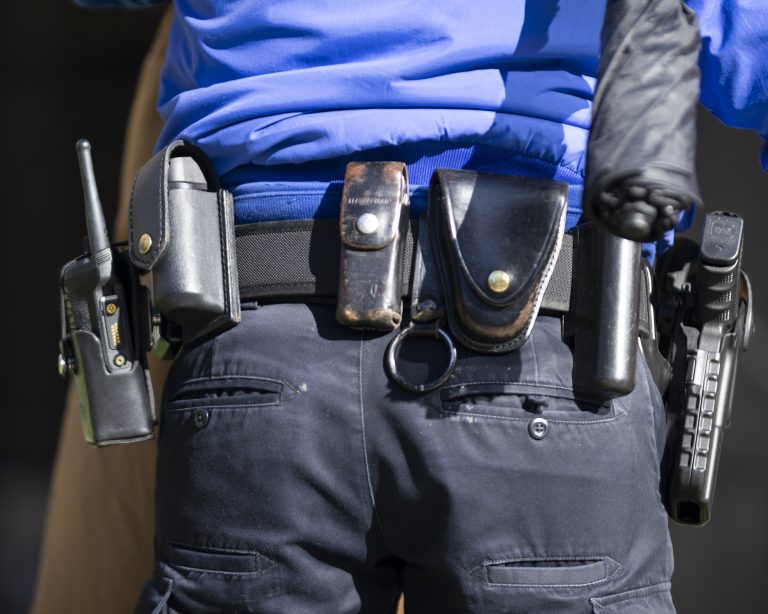
Compare four of the best law enforcement duty belts for police officers, including Bianchi, 5.11 and Condor options.…
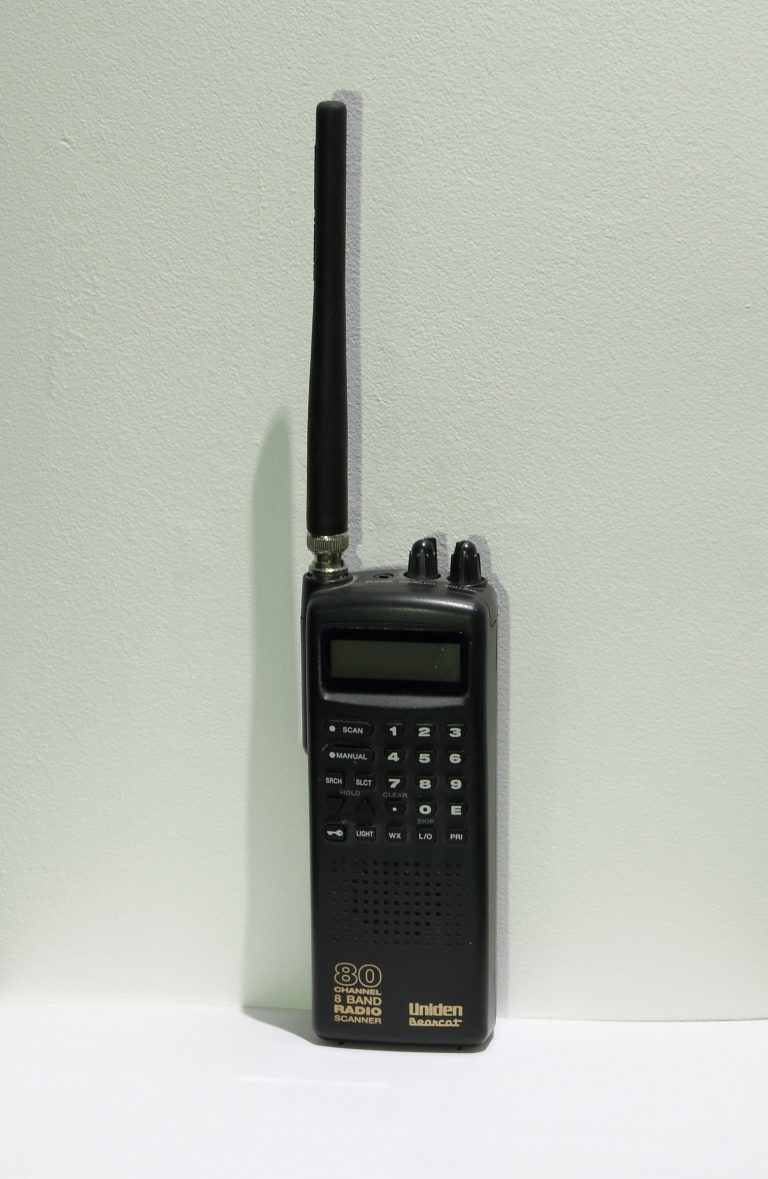
The best police scanners depend on your local radio system. Compare six current digital and P25 scanners, including…