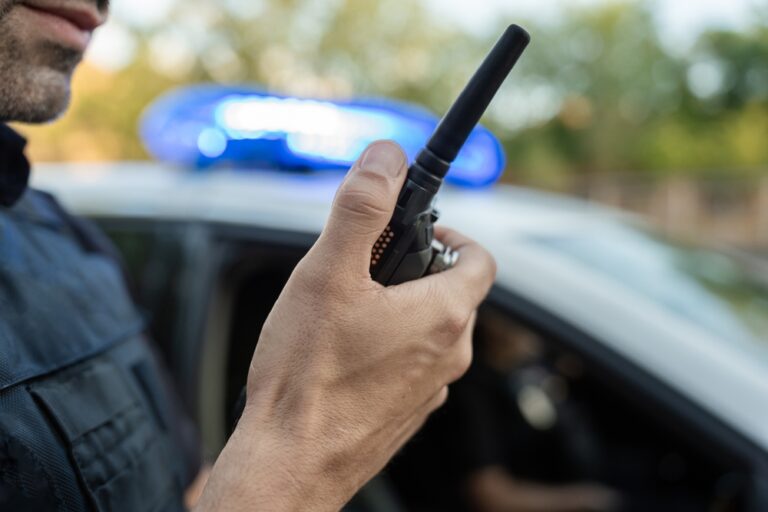
What Radios Do Police Use? Police Radio Systems Explained
What radios do police use? Learn how police portable and mobile radios work, what P25 and trunking mean,…

In the United States, getting a police report can take anywhere from the same day to several weeks. There is no national deadline that applies to every department. The biggest variables are whether the officer has finished and approved the report, what type of incident it is, and whether the record can legally be released yet.
For a routine crash or minor incident, a report may become available within a few business days. A complicated or active criminal investigation can take much longer—and parts of the file may still be withheld after the report exists.
The officer usually has to write or complete the report, attach relevant information, submit it through the agency’s records system, and sometimes have it reviewed or approved. The records unit cannot release a document that has not reached the releasable stage.
That is one reason the report number an officer gives you at the scene is useful. It identifies the incident, but it does not necessarily mean the finished report is already sitting in the public-records queue.
Traffic-crash reports are often among the more predictable records because agencies process them routinely. Still, the timing varies. A simple property-damage crash is different from a fatal collision that requires reconstruction, follow-up interviews or additional reports.
Common reasons include supervisor review, missing statements, follow-up investigation, evidence that still has to be documented, a report being returned to the officer for corrections, or legal restrictions on releasing information.
A report can also exist without being fully releasable. Juvenile information, medical information, victim information, investigative details and other protected material may have to be redacted.
It can. Public-records law varies by state, but agencies commonly have rules that protect some investigative material while a case is active. That does not always mean the entire record is secret; it means the records unit has to determine what can lawfully be released.
Check the police department’s records or public-records page first. Many agencies let you request a report online. Others require an email, form, in-person request or a third-party crash-report service.
Have the case or incident number if you were given one. The date, location and names involved can also help records staff locate the correct event.
Tell the insurer that the report is still pending and provide the incident number. An insurance claim does not necessarily have to wait for every page of a police file to be released, although the insurer may request the report later.
Not necessarily. Supplemental reports can be added after interviews, evidence review or follow-up investigation. Photographs, body-camera video, 911 audio and dispatch records can also be separate records rather than attachments to the report you first receive.
If you already have the document and are trying to understand what the fields and narrative mean, see our detailed guide on how to read a police report.
For a straightforward incident, think in terms of days rather than minutes. For a complicated investigation, weeks is entirely possible. The most reliable answer comes from the records unit of the agency that actually took the report, because local procedures and state disclosure laws control the timeline.
What radios do police use? Learn how police portable and mobile radios work, what P25 and trunking mean,…
There is no single national police written exam. Learn how tests such as PELLETB and NTN FrontLine differ,…
Police field training bridges the gap between academy and solo patrol. Learn what FTO means, how phases and…