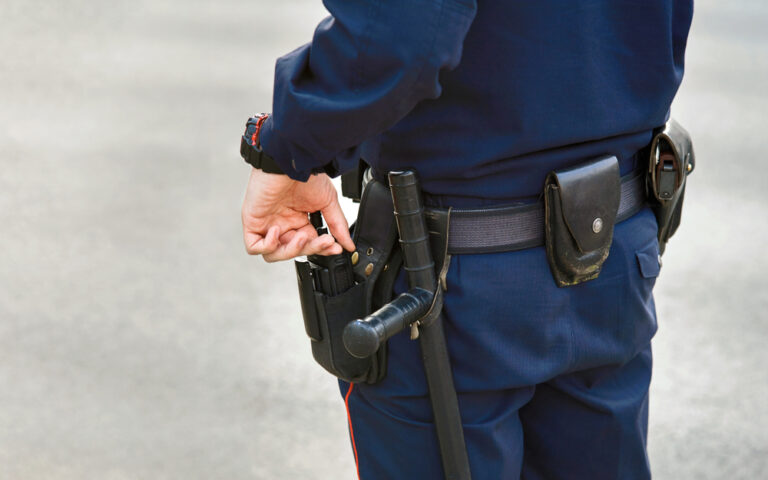
4 Best Radio Holsters for Duty Belts (Police Picks 2026)
Compare four radio holsters and pouches for police duty belts and outer carriers, including Zero9, Bianchi, 5.11 and…

I’ve done several welfare checks throughout my career as a police officer. And as a 911 operator, I’ve sent officers to do welfare checks on people for a variety of different reasons.
A welfare check—also called a wellness check—is a request for police or another appropriate responder to check whether someone is safe. It is usually prompted by a sudden break in normal contact, signs of a medical emergency, concern about suicide, or worry that a child or vulnerable adult may be in danger.
Below I’ll explain who to call, what normally happens after the call, and when officers may enter a home. The details vary by department and by the facts officers find when they arrive.
A welfare check means that someone has asked authorities to confirm another person’s well-being or safety. “Welfare check” and “wellness check” are commonly used for the same kind of call.
The initial purpose is safety, not a criminal investigation. Officers normally try to locate the person, speak with them, and decide whether medical care or some other immediate help is needed. What begins as a welfare check can change, of course, if officers discover an emergency or evidence of a crime.
If someone appears to be in immediate danger, is seriously injured, or may be attempting suicide, call 911. For a genuine concern that is not an immediate emergency, call the non-emergency number for the police department where the person is located. Giving the correct address matters more than calling the department where you live. If you do not know the exact address, give dispatch as much reliable location information as you have; whether officers can complete the check will depend on whether they can identify and locate the person and on local procedures.
Dispatchers will normally ask what changed, when anyone last had contact, whether the person has medical or mental-health concerns, how officers can get in, and whether weapons, aggressive animals, or other hazards may be present. Give facts rather than guesses. A missed phone call by itself is very different from a farewell message followed by silence.
Police are not the only possible resource. Some communities send paramedics, firefighters, social workers, or mobile crisis teams. In the United States, you can call or text 988 for a mental-health or suicide crisis. If there is immediate danger or urgent medical need, use 911.
There are many reasons to ask for a wellness check. I will list the most common scenarios below. However, if you’re thinking about calling in a wellness check and can’t find your situation listed here, please do not hesitate to call your local police station and ask.
This list is not exhaustive. Several other situations qualify for a wellness check by the police. As mentioned before, if you’re not sure, please call the police and ask. It’s better to be safe and make the call than wish you had.
There is no definitive answer to this. However, I can share the general pattern from checks I’ve handled or dispatched.
Officers first try to locate the person and make contact. They may call the person, knock at the home, speak with neighbors, contact relatives, or check places the person is known to visit. The urgency and resources used depend on the information supplied and what officers observe.
Often the person answers, explains that they are fine, and the call ends. Someone is allowed to stop answering friends or relatives. Police will usually confirm safety without passing along private details or revealing a person’s location when doing so could put them at risk.
If the person needs medical or mental-health care, officers can request an ambulance or crisis response. If there is an objectively reasonable basis to believe someone inside a home is seriously injured or faces an imminent threat, officers may have to enter without waiting for a warrant. If a death or crime is discovered, the call changes from a routine welfare check into an investigation.
For a check involving a child, officers assess the immediate safety of the child and may involve child protective services. The exact response depends on what they find; a welfare-check request alone does not prove abuse or neglect.
False requests also happen. A stalker, abusive former partner, or another person may pretend to be concerned in order to locate or frighten someone. A careful dispatcher and responding officer will consider the caller’s information rather than treating every claim as established fact.
Sometimes—but the label “welfare check” does not by itself give police permission to enter a home. Consent, a warrant, or a recognized exception to the Fourth Amendment is normally required.
The relevant exception here is emergency aid. In Case v. Montana (2026), the U.S. Supreme Court held that an officer may enter without a warrant when there is an objectively reasonable basis to believe an occupant is seriously injured or imminently threatened with serious injury. The facts known to officers matter: a credible suicide threat, sudden silence, signs of injury, or other observations can change the decision.
This is narrower than a general “community caretaking” power. In Caniglia v. Strom (2021), the Court rejected a standalone community-caretaking exception for homes. An emergency entry must also stay tied to dealing with that emergency; it is not an unlimited license to search.
This is general U.S. information, not legal advice. State law and the specific facts can affect the analysis.
Sometimes. A department may accept a request without giving the subject your name, but policies and public-record laws vary. You can ask dispatch not to identify you, although they may still request your contact information so an officer can clarify important details. Do not promise yourself complete anonymity unless the department confirms it.
An anonymous report with specific, verifiable facts will generally be more useful than a vague statement. Tell dispatch what you personally saw or heard, when it happened, and why it is out of character.
Most welfare-check requests are genuine. Still, police can be used as a tool to harass someone through repeated or knowingly false requests. I’ve seen enough unusual motives behind calls to know that the possibility should not be dismissed.
If this is happening to you, calmly tell the responding officers and ask that your concern be documented. Keep your own record of dates, incident numbers, messages, and any related threats. A department may be able to flag a pattern, although it still has to assess each new report on the facts available at the time.
At the same time, an unwanted police visit is not automatically harassment by the officers. They may be responding to information that sounds credible. Their conduct should still remain professional and proportionate to the safety concern.
You can usually speak with officers at the door and decline consent for them to enter. If they can see that you are safe and have no objective reason to believe someone else inside is in danger, the check may end there.
Refusing consent does not necessarily stop an emergency entry. If officers have an objectively reasonable basis to believe an occupant is seriously injured or in imminent danger, they may enter without consent or a warrant. You can ask why they are there, remain calm, and clearly state whether you consent. Our separate guide explains more generally what may happen when someone calls the police on you.
Yes, you can still call and explain what you know. Give dispatch the person’s full name, phone number, workplace, vehicle information, apartment building, nearby landmarks, or any other reliable location details you have. Whether officers can complete the check depends on whether they can identify and locate the person and on local procedures.
In most cases, officers will simply try to make contact and confirm that you are safe. They may knock, call you, or speak with someone nearby. A welfare-check request does not automatically mean you are suspected of a crime, and it does not by itself give officers unlimited authority to enter your home.
Usually, yes. Police departments generally keep a dispatch or call-for-service record, and an officer may also complete an incident report depending on department policy and what happened during the check. That record is not the same thing as a criminal conviction or criminal record.
There is no fixed response time. Dispatch priority, available officers, travel distance, and the seriousness of the reported risk all matter. A check may take only a few minutes after contact is made, or much longer if officers cannot find the person or need medical help.
A routine welfare check is not a criminal charge or conviction. The department will normally create a call log or incident report, but that is different from a criminal record. If the encounter leads to an arrest or another formal action, that is a separate matter.
Not always. The caller’s identity may be withheld for safety or privacy reasons, and access to call records depends on state law and department policy. You can ask for the incident number and the local procedure for requesting public records, but some information may be redacted.
The following video shows a welfare check that starts out wrong. One police officer is asked to quit his job because of this. In my opinion, that’s a bit harsh as I think there should be a little leniency for mistakes in this job.
Compare four radio holsters and pouches for police duty belts and outer carriers, including Zero9, Bianchi, 5.11 and…
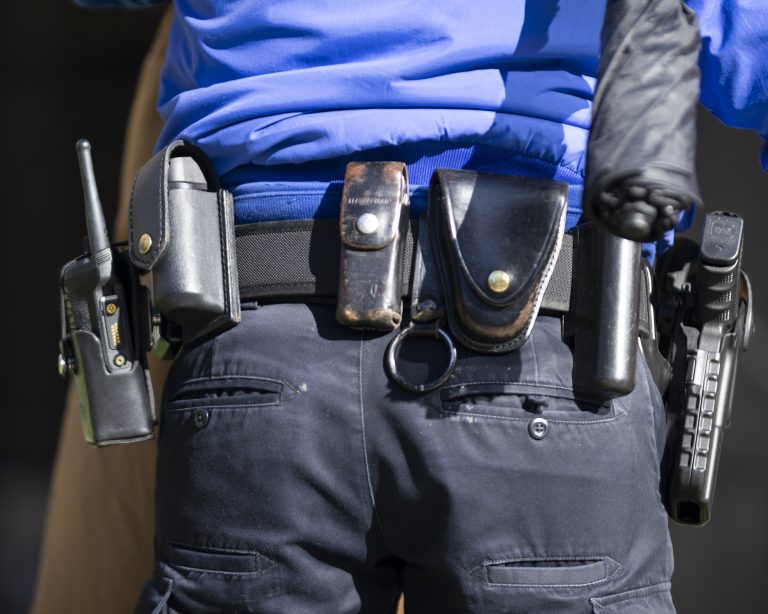
Compare four of the best law enforcement duty belts for police officers, including Bianchi, 5.11 and Condor options.…
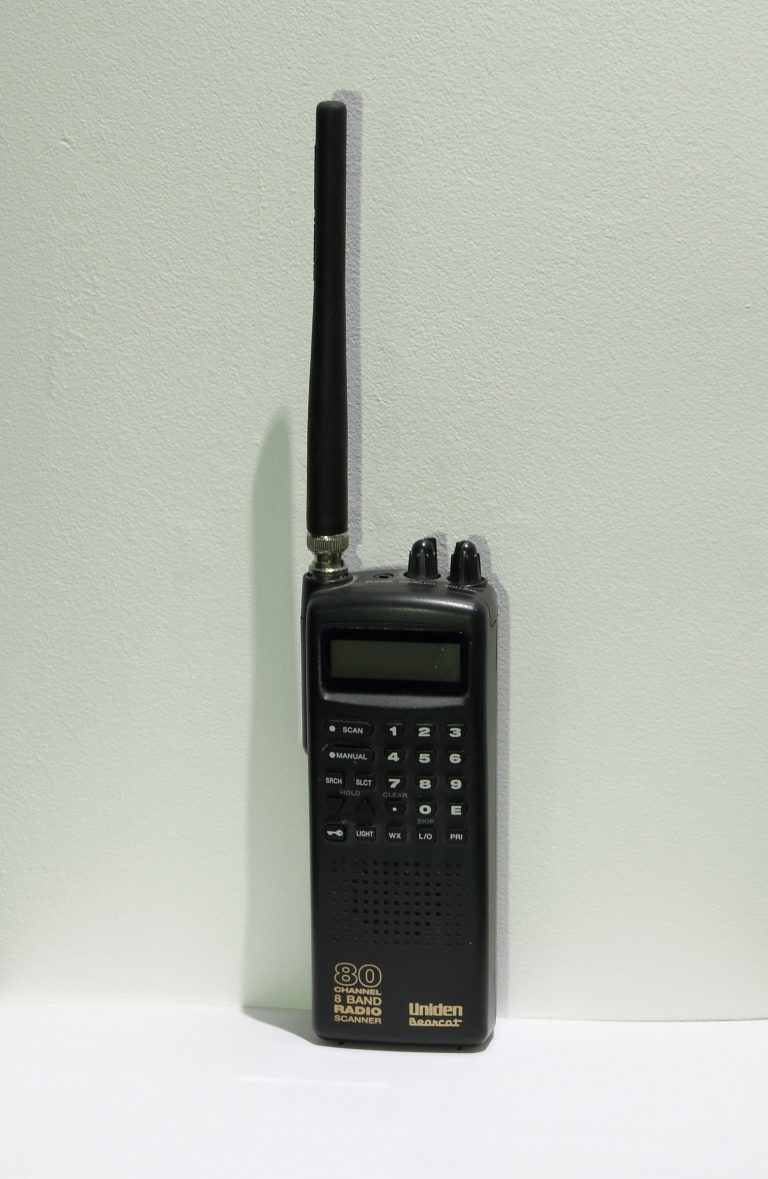
The best police scanners depend on your local radio system. Compare six current digital and P25 scanners, including…