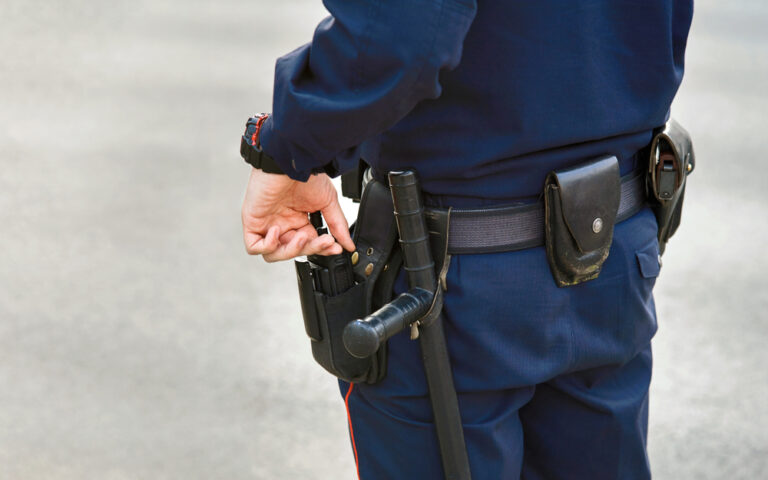
4 Best Radio Holsters for Duty Belts (Police Picks 2026)
Compare four radio holsters and pouches for police duty belts and outer carriers, including Zero9, Bianchi, 5.11 and…

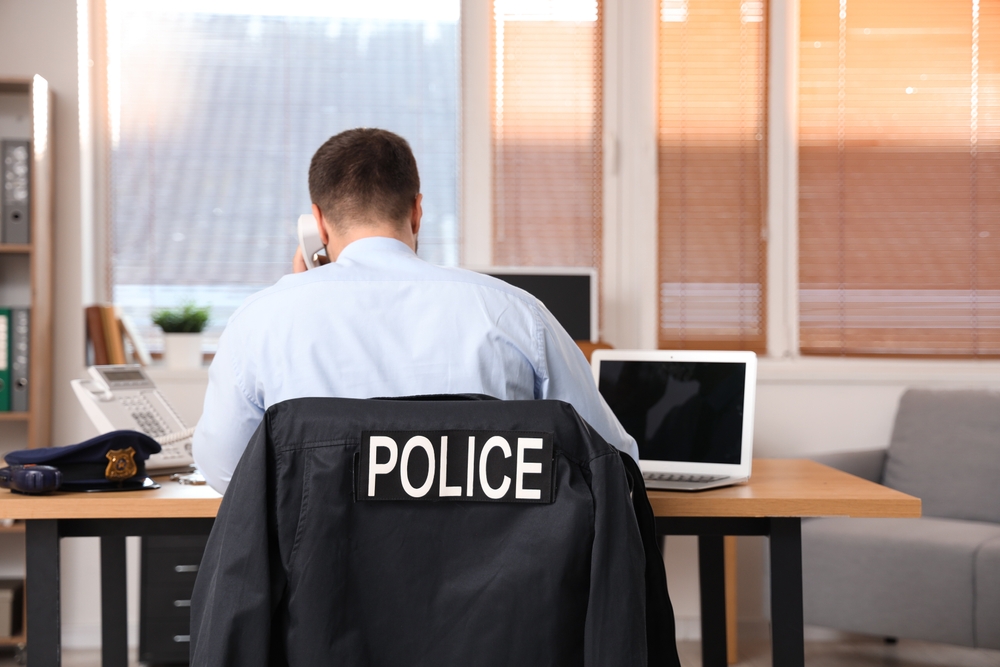
Sometimes you check your phone and see a missed call. After checking the number, you see that you have a missed call from the police department!
And no message has been left…
A missed call from the police does not automatically mean you are in trouble. If you are wondering, “Why did the police call me?”, the most common explanations are that they want to speak with a witness, victim, property owner, parent, someone connected to a welfare check—or they simply have the wrong number. They may not leave a voicemail because they need to confirm who uses the phone, the information is sensitive, or they intend to call again.
I have called many people during my career as a police officer. While working as a detective, 911 operator, or on patrol, I have been required to call numerous people for a variety of reasons. Most of those calls were not nearly as dramatic as the person answering the phone feared.
The police will often leave a message, but not always. One reason might be that the officer needs to know that you are the person using the phone. The information may also be too sensitive to leave on voicemail, especially when the officer does not know who else can hear it.
There may be a much less interesting explanation. The officer was interrupted, the call came near the end of a shift, or they planned to try again later. There is no single rule that every officer or police department follows.
This is the obvious one. The police may believe you have done something wrong and want to talk to you about it. But a phone call alone does not tell you whether you are a suspect, a witness, or simply someone whose name came up during the investigation. If someone has already called the police about you, you can read more about what may happen next.
You have no idea how often a lost item ends up at a police station. If you’re lucky, a police officer might work out that you’re the owner and give you a call. Examples include bicycles, iPads, wallets, credit cards, and keys, to name a few…
Not every police department handles lost property in the same way. Still, lost property often ends up with the police somewhere in the process between being lost and returned to its rightful owner.
Sometimes people see something the police need to know about. It could be a car accident, a robbery, or a fight. The police may have gotten your name from another witness who placed you near or at the scene.
The list of things police need help with is endless. Quite often, the police need help from someone with a specific skill set. There are numerous people I’ve called to help me, such as:
As you can see, these people have almost nothing in common except that the police needed their help. And this list is NOT exhaustive.
Something might have occurred on your property that needs to be investigated, such as a criminal incident or an accident.
Or something may have happened to the property itself. Typically, that means it has been damaged in some way.
This could be almost anything. The worst example would be that someone you love or are related to is seriously injured or dead.
Another example is that your car was involved in an accident, but someone else was driving it…
The police are tasked with delivering a wide range of messages. But don’t worry: not all of them are negative.
Someone hasn’t heard from you in a while. You do not answer your phone or respond to messages. And you haven’t been on social media for quite some time.
When you don’t answer your door and your mailbox is full, they may start to worry about your well-being. So they ask the police for help, and one of the first things the police may do is try to call you.
Learn more about what a welfare check is in this in-depth article.
I have no idea how many times I’ve delivered documents to people. Depending on the jurisdiction, it can be anything from court orders to official notifications. In many cases, the sender has not been able to reach the person in another way and asks the police for help.
I often call parents after I’ve caught their child doing something they shouldn’t. These cases can differ greatly in severity. The child may have been arrested for violence or stealing. Or perhaps they were stopped for driving an unregistered vehicle or apprehended for dumpster diving. (I don’t know why dumpster diving is illegal.)
As you can see, it might be serious, or it might be a little less egregious…
These days, it is possible to make a phone call look as if it came from someone else. This is called caller ID spoofing, and scammers sometimes use a real police department’s number.
The Federal Trade Commission warns that scammers impersonating local law enforcement may threaten arrest or claim you owe a fine. They may also pressure you to pay immediately by gift card, cryptocurrency, payment app, or wire transfer. Do not rely on caller ID alone, and do not give financial information to an unexpected caller.
If you are unsure, hang up and find the police department’s official number yourself. Call that number and ask whether the officer or department really tried to reach you. Do not use a callback number supplied by a suspicious caller.
This happens from time to time. I’ve experienced angry people yelling at me because the police called them and it was the wrong number.
“Hey, sometimes people make mistakes. Did someone die? No? Then get over it!” Of course, I never actually said that, but I must admit there were times when it was very tempting.
In any case, the misunderstanding will be resolved.
I’ve received many complaints about cars being parked where they shouldn’t be. The vehicle might be blocking an entrance, a road, a garage, or a fire hydrant. Or perhaps it has been parked in the same spot for weeks.
Eventually, someone may call the police and ask them to check the car and help have it moved if necessary.
Police and emergency dispatchers receive accidental calls every day. Sometimes people pocket-dial 911 more than once without realizing it. A phone or smartwatch can also place an emergency call after a button combination or safety feature is triggered.
The police or dispatcher may call back to make sure there is no emergency. People react in different ways when they answer. Usually, they are embarrassed and sorry. But hey, these things happen, and there’s no need to be ashamed!
If you recognize the department and the call seems ordinary, you can return it. The safer approach is to look up the department’s official public number rather than trusting the number shown in your call history. Tell the dispatcher or front desk that you received a call and, if you have it, give them the officer’s name or extension.
If the matter is important, the police may call again. If they cannot reach you by phone, they may try to visit you at home, at work, or somewhere else they expect to find you. That does not automatically mean you are in trouble. I have written separately about why a detective might come to your house.
If an officer says you are suspected of a crime or asks you to take part in a formal interview, the situation is different from an ordinary callback. Laws and procedures vary, so consider getting advice from a qualified local attorney before answering detailed questions. This article is general information, not legal advice.
There might be no particular reason. Many officers have a business phone issued by their employer, so it is probably for convenience. It may also make it easier for you to call back and reach the right person.
In my experience, convenience is usually the explanation. On the other hand, I often avoided using my cell phone because I didn’t want everyone to have that number. Some folks believe they can call an officer directly whenever they need the police. And that’s not how it works… If your question is whether investigators can locate a device rather than call it, I explain the very different issue of police phone tracking separately.
If a specific officer is calling, it may be because you have spoken before or that officer is handling the matter. Maybe the officer wants to ask how you are doing after an earlier encounter. Or they might be worried about your situation.
You usually cannot tell from the missed call alone. The call could relate to something you witnessed, property you own, a welfare check, a family member, an investigation, lost property, an accidental 911 call, or even a wrong number. If no message was left, verify the department through its official public number before calling back rather than assuming the call was genuine.
There are many reasons why the police might call you, and it may not be anything serious at all.
In my experience, calls like these are very often about something minor. Most people I’ve called felt better when we were done talking. Good communication skills are crucial if a police officer wants a positive outcome from the call.
So if you see a missed call from the police department, verify the number and find out what it was about before assuming the worst.
Compare four radio holsters and pouches for police duty belts and outer carriers, including Zero9, Bianchi, 5.11 and…
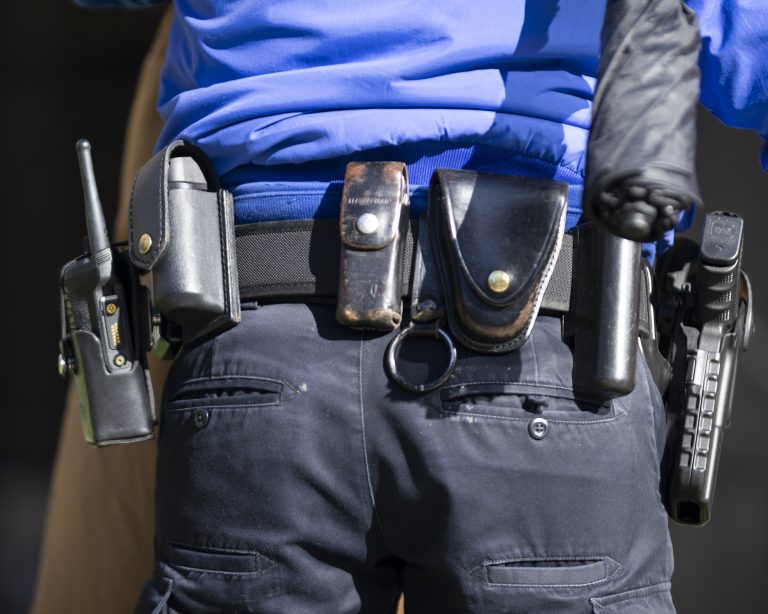
Compare four of the best law enforcement duty belts for police officers, including Bianchi, 5.11 and Condor options.…
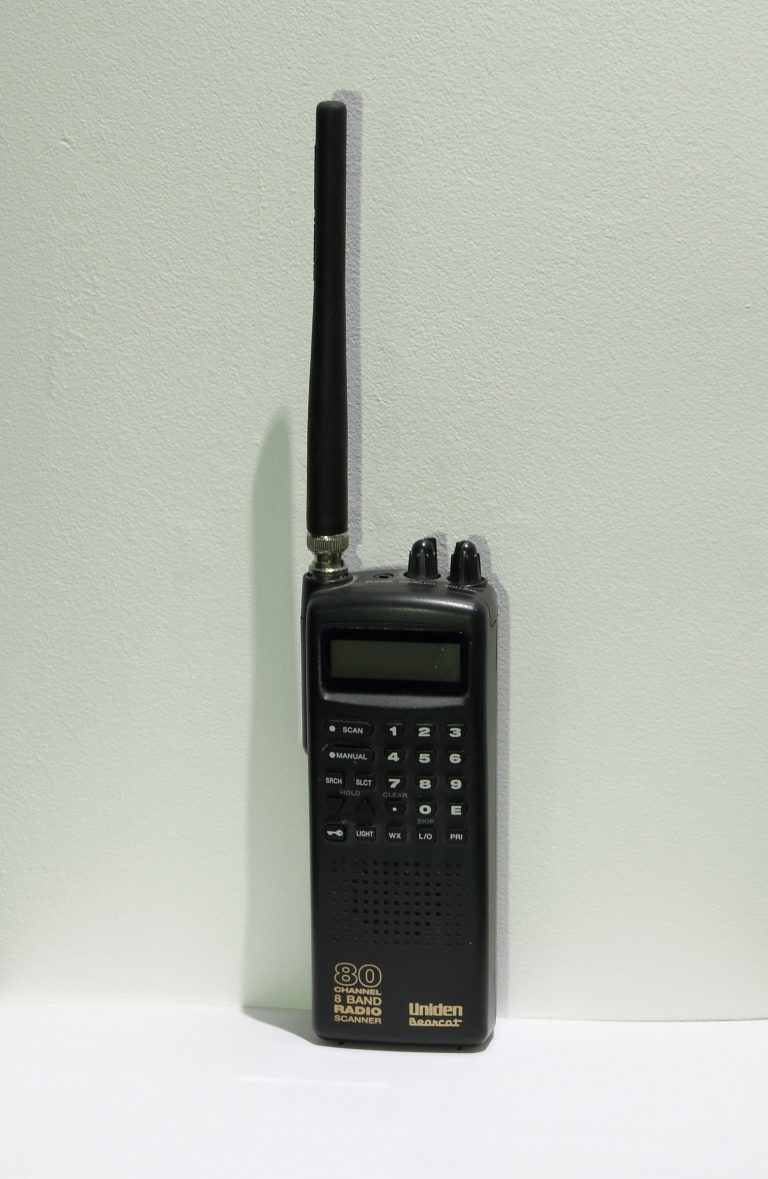
The best police scanners depend on your local radio system. Compare six current digital and P25 scanners, including…