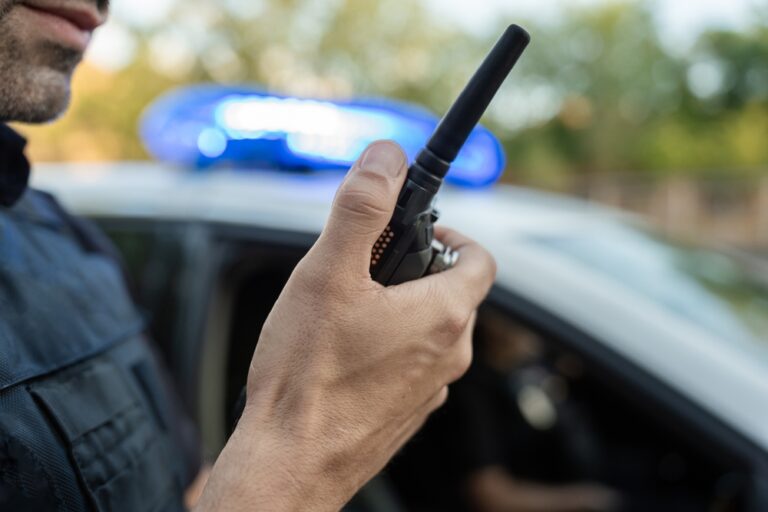
What Radios Do Police Use? Police Radio Systems Explained
What radios do police use? Learn how police portable and mobile radios work, what P25 and trunking mean,…

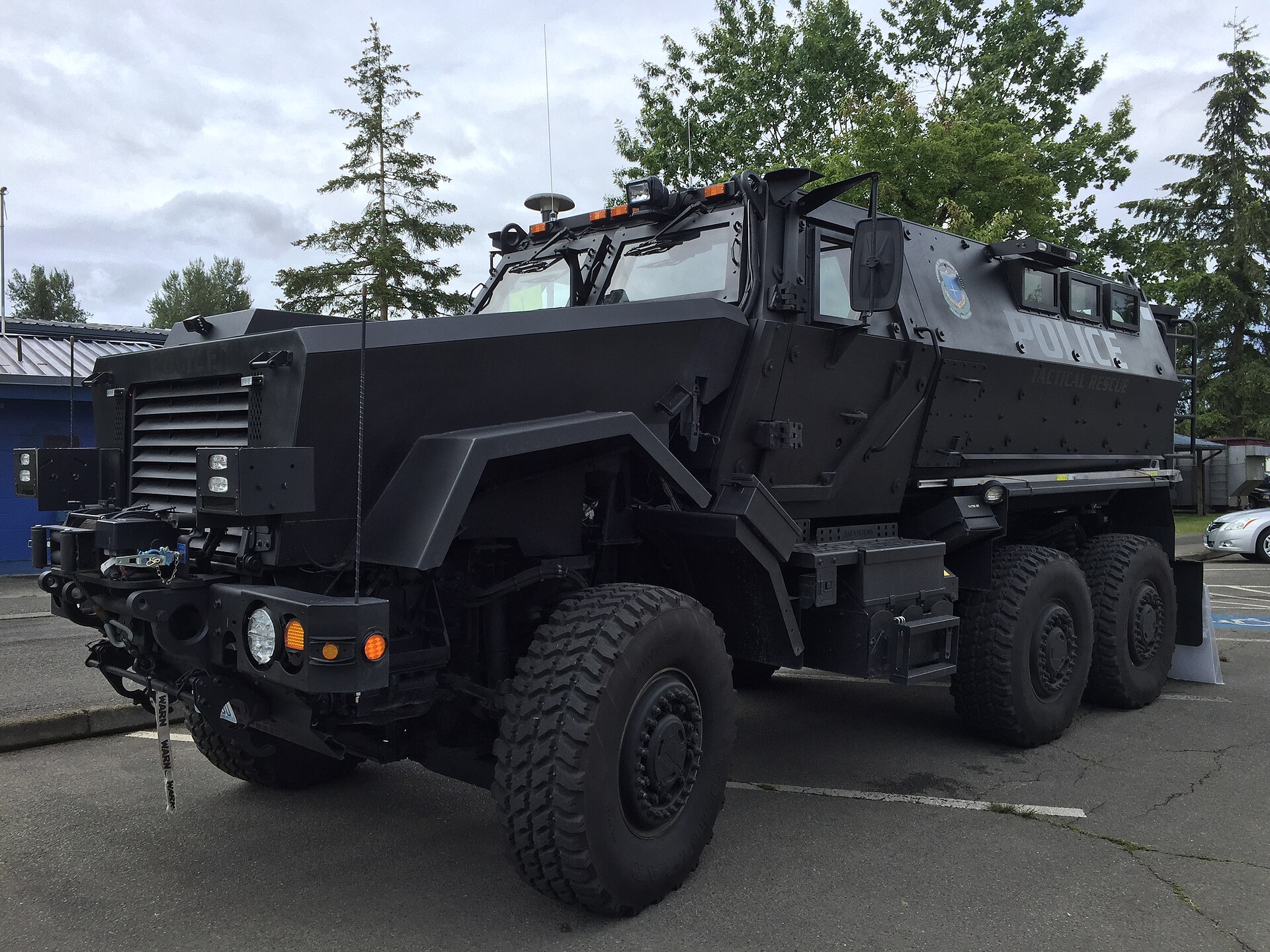
Most ordinary police cars are not fully bulletproof. A standard patrol vehicle is still fundamentally a production vehicle adapted for police work. Some police-package vehicles can be ordered with ballistic door panels, and specialist armored rescue vehicles provide much heavier protection, but those are not the same thing.
This distinction gets lost because “police car” can describe everything from a marked patrol SUV to a purpose-built armored rescue truck.
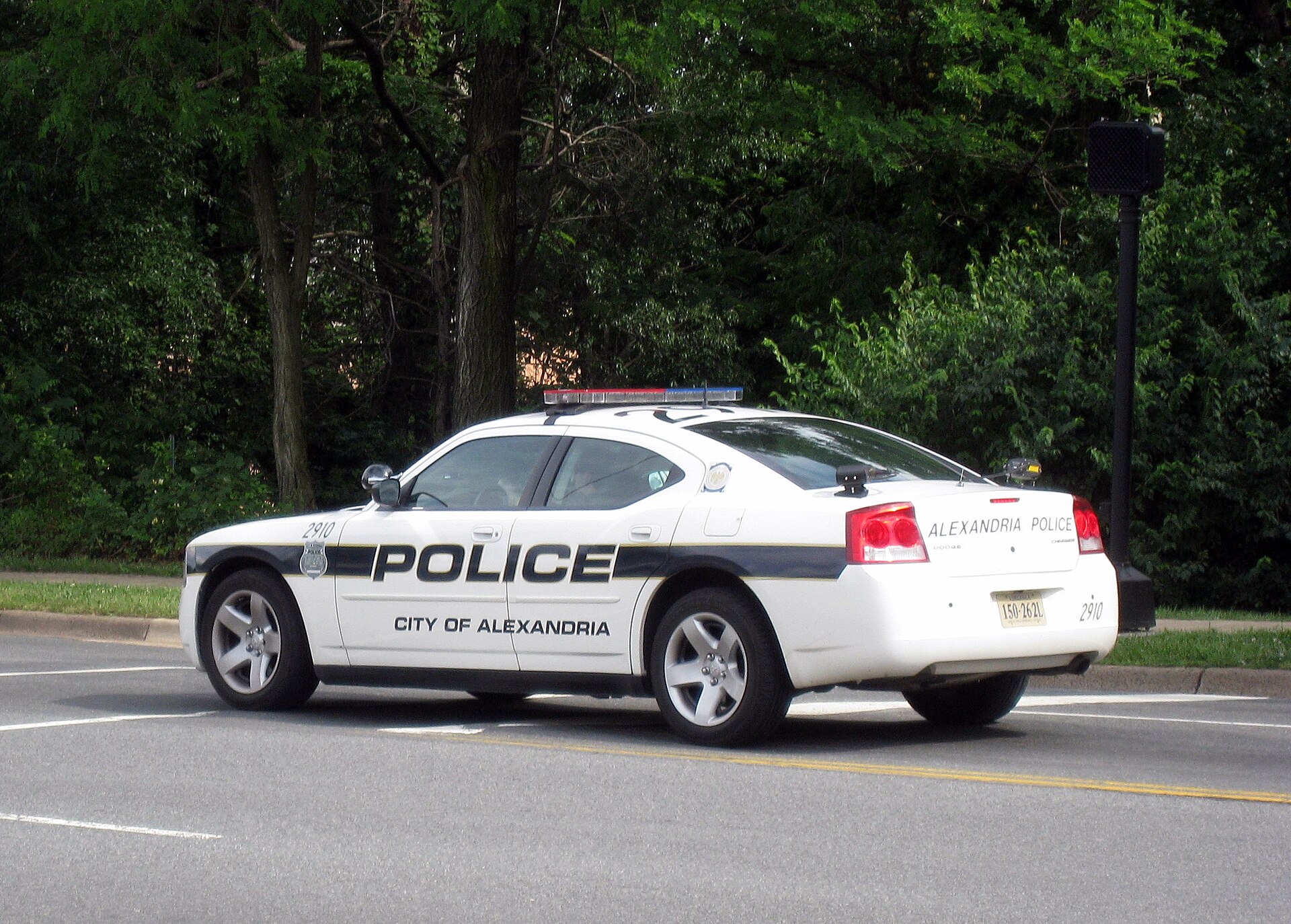
No, not as a general rule. The body panels, glass and passenger compartment of a normal patrol car should not be assumed to stop gunfire.
Police-package vehicles do receive changes for duty use—cooling, electrical systems, suspension, crash performance and other features—but “police package” does not automatically mean an armored passenger compartment.
There are important exceptions. Ford currently offers ballistic door panels for the Police Interceptor Utility. Ford says its available Level III+ and Level IV+ door panels are tested to NIJ Standard 0108.01, with the Level IV+ option designed for substantially more demanding rifle threats.
That is real ballistic protection, but notice what Ford is describing: door panels. It does not turn every piece of glass, roof, floor and bodywork into an armored capsule.
Officers sometimes use a vehicle as available cover during a rapidly developing incident. A ballistic panel in a door can add protection in a location where an officer may be positioned.
But officers are trained to distinguish cover from concealment. Something that hides you is not necessarily something that reliably stops bullets. Even with an armored door panel, vehicle geometry and the direction of the threat matter.
Standard automotive glass is not the same thing as ballistic glass. Unless a particular vehicle has been specifically up-armored, you should not infer that the windshield or side windows have rifle-rated protection just because the doors do.
That is one reason the phrase “bulletproof police car” is misleading. Protection can be localized.
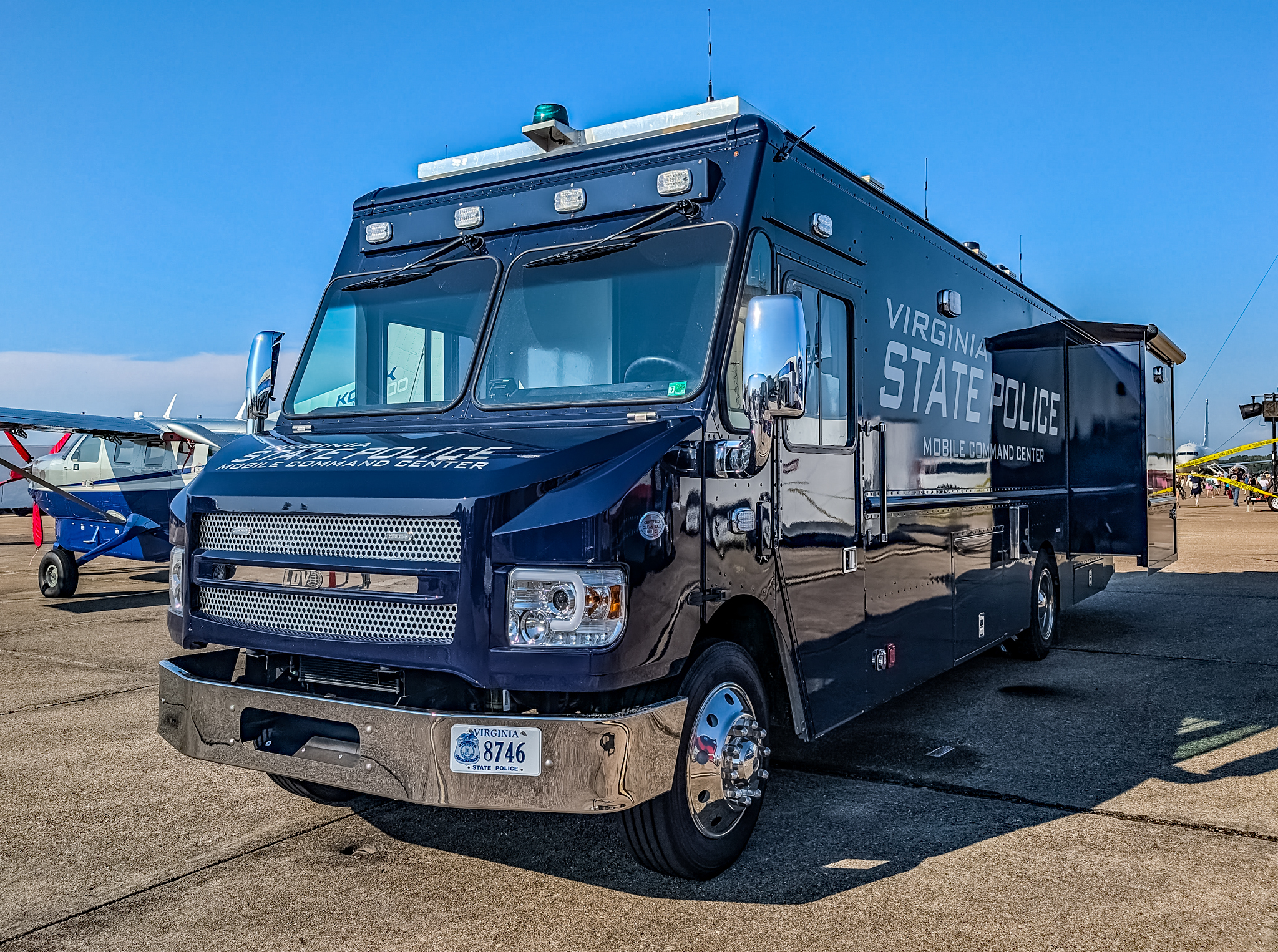
SWAT and tactical teams may use purpose-built armored rescue vehicles. These are designed around ballistic protection rather than simply adding police equipment to a normal road vehicle.
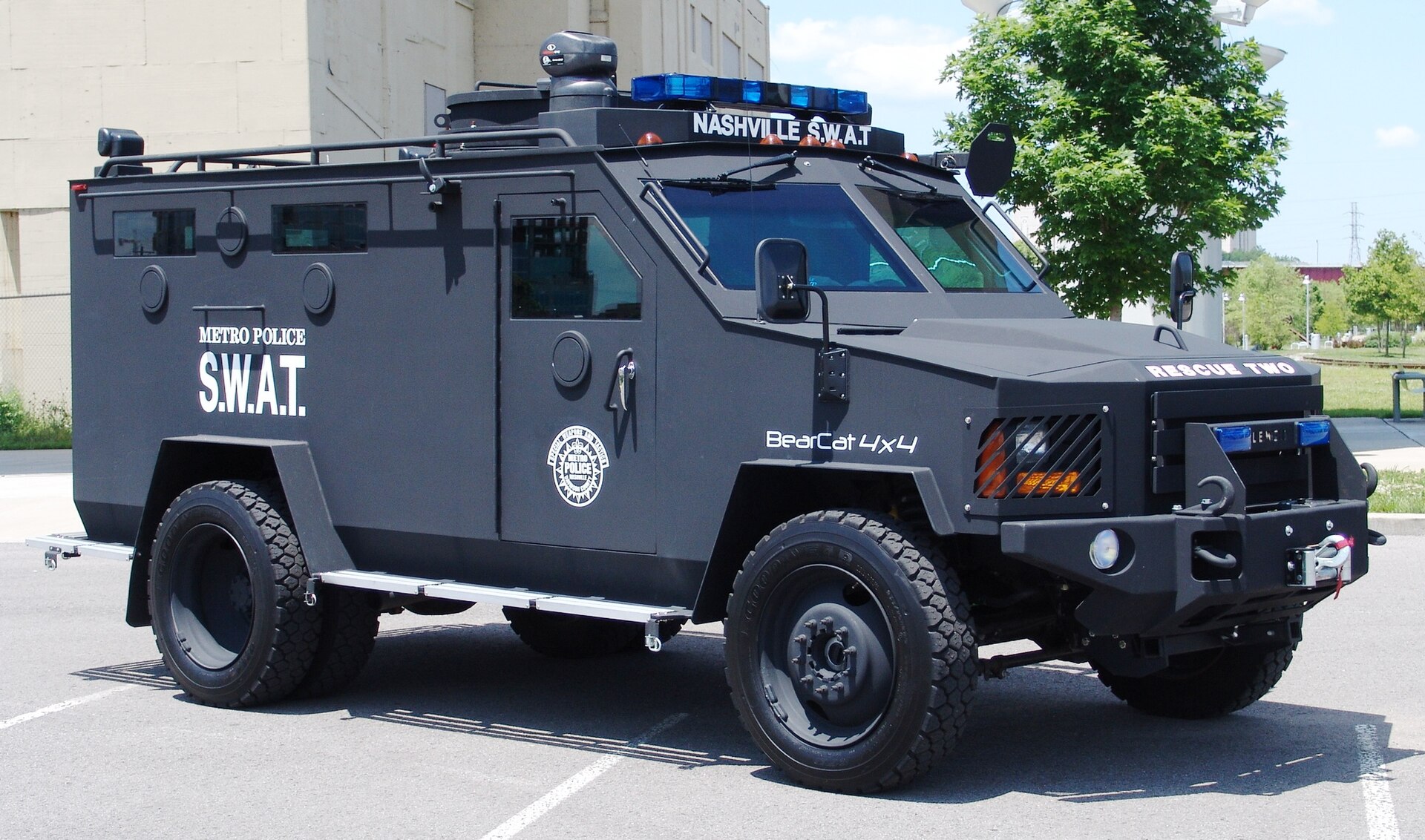
Armored rescue vehicles can be used to move officers or civilians through a dangerous area, approach a barricaded location, evacuate injured people, or provide protected access during a high-risk operation.
“Bulletproof” is still an imprecise word. Armored vehicles are built and rated for particular ballistic threats. Protection is better described in terms of armor level and tested threat than as an absolute promise that no projectile can penetrate anything.
Armor adds cost and weight. It can affect payload, handling, fuel use, maintenance and vehicle design. Patrol fleets also contain large numbers of vehicles, while the need for heavy ballistic protection is concentrated in a much smaller number of incidents.
Departments therefore make different choices. One agency may buy ballistic door panels for patrol vehicles; another may rely mainly on specialist armored vehicles; a larger agency may do both.
A standard unarmored door should not be relied on as though it were rated armor. A door fitted with a tested ballistic panel is a different matter, but its protection depends on the panel’s rating, placement and the threat it was designed to stop.
Ford, for example, advertises available Level IV+ ballistic door panels for its Police Interceptor Utility and states that they meet NIJ Standard 0108.01 Level IV requirements.
Even without armor, a purpose-built police package can differ substantially from the civilian version. Police vehicles may have upgraded electrical capacity, cooling, brakes, suspension, crash protection and interiors designed around radios, computers, partitions and other duty equipment.
You can see more of that equipment in our police gear list.
Most patrol cars are not fully bulletproof. Some can be equipped with ballistic door panels. Specialist armored rescue vehicles provide a much higher level of protection and are built for a completely different role.
So when you see a marked police SUV, do not assume it is armored—and when you see a large SWAT rescue vehicle, do not assume it is just a normal police truck with thicker doors.
What radios do police use? Learn how police portable and mobile radios work, what P25 and trunking mean,…
There is no single national police written exam. Learn how tests such as PELLETB and NTN FrontLine differ,…
Police field training bridges the gap between academy and solo patrol. Learn what FTO means, how phases and…