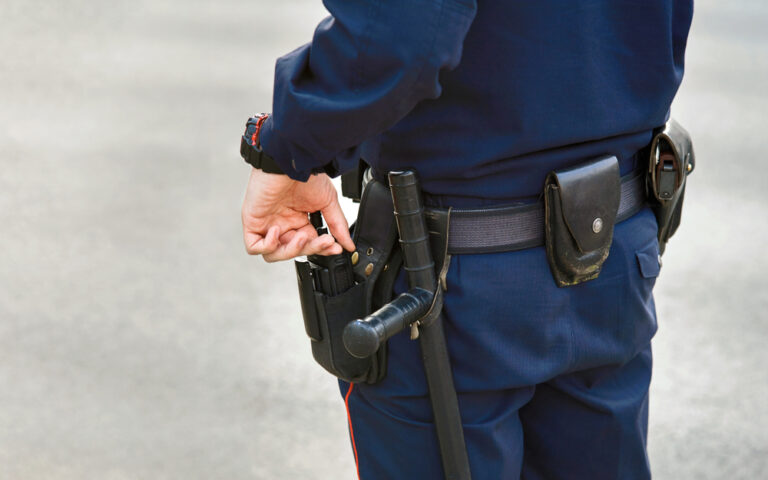
4 Best Radio Holsters for Duty Belts (Police Picks 2026)
Compare four radio holsters and pouches for police duty belts and outer carriers, including Zero9, Bianchi, 5.11 and…

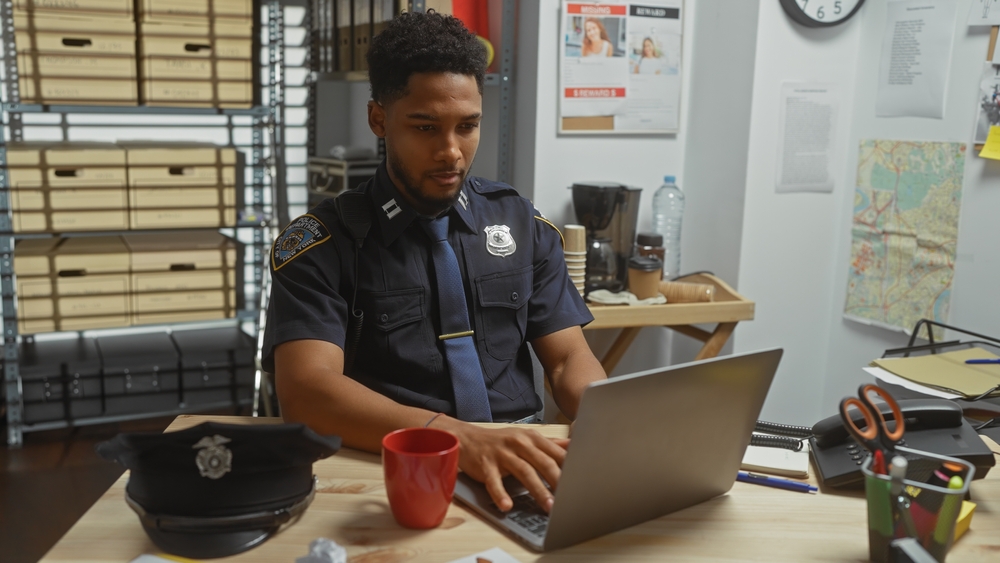
The short answer is that a police detective is usually a police officer whose main assignment is investigating crimes. A patrol officer is more likely to answer the initial call, deal with the immediate problem, make an arrest when there are grounds, and write the initial police report. A detective usually takes over cases that need longer follow-up.
The titles overlap because detectives still have police powers. The real difference is the daily job: patrol is built around calls for service and visible policing, while detective work is built around cases, evidence, interviews, and follow-up.
Usually, yes. In a typical U.S. municipal police department, a detective is a sworn police officer assigned or promoted into investigative work. The exact structure varies by agency. The LAPD rank structure, for example, lists Police Detective as a sworn class title with specialized criminal-investigation duties.
This comparison is about local and municipal policing in the United States. Titles, rank structures, promotion rules, and pay vary by department, so there is no single national answer for every agency.
| Question | Patrol officer | Detective |
|---|---|---|
| Main focus | Calls for service and immediate incidents | Longer criminal investigations |
| Typical work | Patrol, traffic, initial response and arrests | Interviews, evidence, warrants and case follow-up |
| Uniform | Usually uniformed | Often plainclothes, but department practice varies |
| Authority | Sworn police powers | Usually the same sworn police powers |
| Rank | Officer assignment | May be a rank or an assignment |
A patrol officer is a sworn police officer assigned mainly to calls for service, preventive patrol, traffic enforcement, public-order work, and the first stages of a criminal investigation.
Patrol officers complete an academy and field training, then continue with department training throughout their careers.
Police departments, sheriff’s offices, and state agencies use different titles. Federal agencies such as the FBI and DEA generally use titles such as “special agent,” so they are not a clean match for a patrol-officer-versus-detective comparison.
A patrol shift can move from a traffic collision to a domestic call, a suspicious-person report, and a public event with very little warning. Typical duties include:
Curious about patrolling? Check our guide about types of police patrols.

A police detective is a sworn officer assigned to criminal investigations. In some departments, detective is a formal rank; in others, it is an assignment or designation. Detectives review reports, interview victims, witnesses, and suspects, develop leads, obtain warrants, coordinate forensic work, and prepare cases for prosecutors. They may handle violent crime, property crime, fraud, narcotics, missing persons, or another specialty.
The work is usually less about receiving one call after another and more about keeping several investigations moving at once. Common duties include:

Both are police officers in most U.S. departments, but their assignments can feel like different jobs.
A detective does not automatically outrank a patrol officer. The answer depends on the department. Some agencies treat detective as a promotion with a higher pay grade; others treat it as an assignment. A detective may control decisions in a case without being the patrol officer’s supervisor. A sergeant, lieutenant, or captain is a clearer example of supervisory rank. The LAPD rank structure, for example, treats Police Detective as a separate investigative class title while sergeant is a supervisory rank.
The patrol officer focuses on the immediate incident: safety, medical needs, separating people, securing a scene, finding witnesses, making lawful arrests, and documenting what happened. The detective focuses on what comes next—testing accounts, following evidence, linking related cases, and building a case that can survive review.
Detectives often receive a higher pay grade or assignment premium, but this is not universal. Union contracts, rank, seniority, overtime, specialty pay, and local budgets all matter. The U.S. Bureau of Labor Statistics reports police and detectives together as an occupational group rather than promising one nationwide detective premium.
Most U.S. police detectives first qualify as sworn officers, complete the academy and field training, and build experience on patrol. The route to investigations may involve an exam, interview, performance record, seniority, or a competitive promotion process. Once selected, detectives receive additional training in interviewing, search warrants, case management, evidence, and the laws that apply to their specialty.
Detectives may specialize in homicide, robbery, sexual offenses, domestic violence, fraud, cybercrime, narcotics, gangs, missing persons, or property crime. Larger departments can support narrow units; in a small department, one investigator may handle a little of everything. Crime-scene and laboratory work may be done by sworn investigators, civilian specialists, or a separate forensic unit.
Patrol work rewards judgment, communication, physical readiness, empathy, and the ability to calm a bad situation while taking in a lot of information quickly. Officers also need the discipline to write clear reports after the urgent part is over.
If you want to read more about skills and qualities needed by police officers, written by an experienced cop, see our in-depth article.
Detective work leans heavily on curiosity, patience, critical thinking, attention to detail, interviewing, and plain persistence. A good investigator has to notice what does not fit, follow paperwork and digital records without losing the human side of the case, and explain the result clearly to supervisors, prosecutors, and a jury.
A simple burglary shows the handoff. Patrol officers respond, check whether anyone is still inside, protect the scene, speak with the victim and nearby witnesses, gather the first evidence, and write the initial report. A detective may later obtain video, compare similar cases, conduct longer interviews, identify a suspect, apply for warrants, and work with a prosecutor. Neither role replaces the other.
Not necessarily. Detective may be a rank, pay grade, or assignment. Detectives often direct the investigation of their own cases, but that does not automatically make them supervisors of patrol officers.
Most U.S. municipal detectives first become sworn officers and gain patrol experience, although the exact path varies. Federal investigators, civilian investigators, and direct-entry detective programs in other countries follow different routes.
Usually not as their regular assignment, but detectives may assist patrol, respond to serious scenes, conduct surveillance, serve warrants, or join arrest operations. Staffing shortages and local policy can also put investigators back into uniformed duties.
Generally, yes. A sworn detective normally keeps the same basic enforcement authority as another police officer. Detectives do not usually spend a shift looking for traffic violations, but they may stop a vehicle when the law and department policy allow it.
Compare four radio holsters and pouches for police duty belts and outer carriers, including Zero9, Bianchi, 5.11 and…
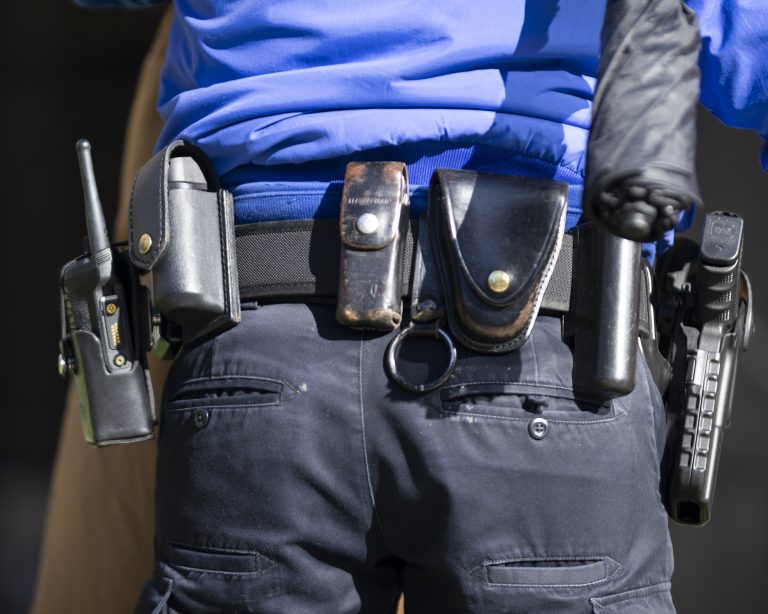
Compare four of the best law enforcement duty belts for police officers, including Bianchi, 5.11 and Condor options.…
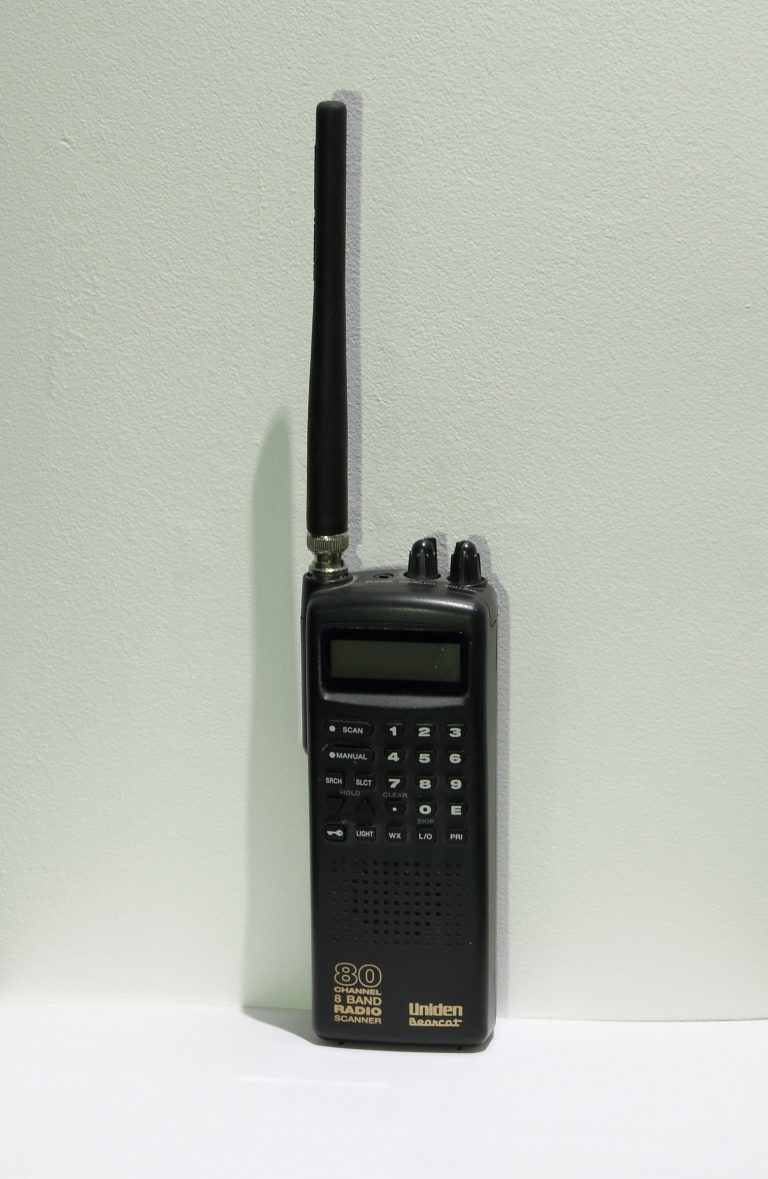
The best police scanners depend on your local radio system. Compare six current digital and P25 scanners, including…