
Police Tape Meaning: Colors, Rules and Crime Scenes
Police tape—often called crime scene tape—is there for a simple reason: to create a boundary people can see.…

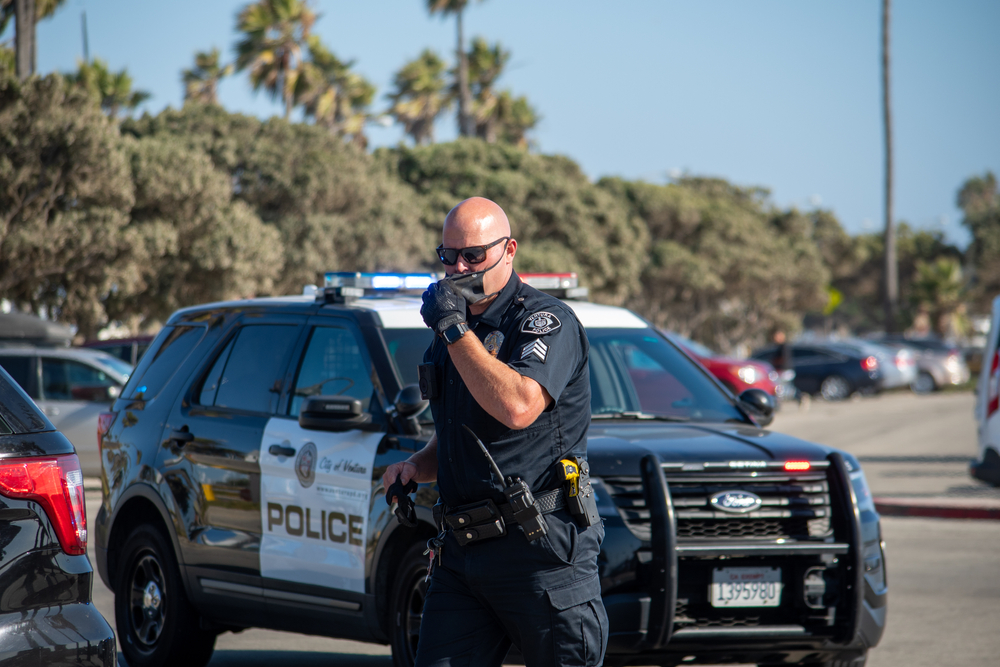
Police officers and sheriff’s deputies are both sworn law-enforcement officers. The practical difference is usually who employs them, where they normally patrol, and the extra duties assigned to a sheriff’s office. The exact answer varies by state and county, so neither title automatically means “more power.”
A sheriff is normally the elected head of a county sheriff’s office. The office may provide patrol and investigations, run the county jail, serve court papers, provide courthouse security, transport prisoners and carry out other duties set by state law. Elections, property records and general county government are not automatically the sheriff’s responsibility.
A sheriff’s deputy is a sworn officer employed by the sheriff’s office. Patrol deputies respond to calls, investigate crimes, make arrests and conduct traffic enforcement, much like municipal police officers. Other deputies may work in a jail, courthouse, civil-process unit or specialized team. Firefighting, road maintenance and mail delivery are not ordinary deputy duties.
A police officer usually works for a municipal police department and patrols a city or town. The work can include answering calls, traffic enforcement, investigations, arrests, report writing and community policing. Police chiefs are generally appointed; sheriffs are commonly elected. Individual officers and deputies are hired employees in both systems.
| Question | Police officer | Sheriff’s deputy |
|---|---|---|
| Employer | City or town police department | County sheriff’s office |
| Usual patrol area | Municipal limits | County, especially unincorporated areas or contract cities |
| Agency leader | Usually an appointed police chief | Usually an elected sheriff |
| Additional agency duties | Primarily municipal law enforcement | May include jail, courts, prisoner transport and civil process |
| Training and arrest authority | Set by state law and agency policy | Set by state law and agency policy |
A municipal officer normally works inside the city that employs them. A deputy’s ordinary jurisdiction is the county, including unincorporated areas and sometimes cities that contract with the sheriff for policing. That does not mean officers simply stop at a boundary. State law, fresh pursuit, mutual-aid agreements and emergency circumstances can allow or require agencies to act outside their usual patrol area.
Both can patrol, answer 911 calls and investigate crimes. Deputies are often more visible on county roads and in rural areas; city officers are more common inside municipal limits. State police or highway patrol agencies, rather than city police or sheriff’s deputies alone, may have primary responsibility for major highways. For the different ways agencies deploy officers, see types of police patrol.
This is the clearest operational difference in many places. Sheriff’s offices frequently run county jails, provide courthouse security, transport prisoners and serve warrants, subpoenas, eviction notices or other civil papers. A city police department normally does not run the county jail or civil-process system.
There is no reliable nationwide rule that police officers earn more than deputies, or the reverse. Pay depends on the agency, union contract, local cost of living, overtime, seniority and assignment. Current job postings and the agency’s published pay scale are more useful than a generic national average. The work environment also differs: a city officer may handle a dense call load in a small area, while a rural deputy may cover a much larger area with backup farther away.
Not automatically. A sheriff is the elected executive of a county agency, so the sheriff has leadership authority inside that office. That does not make every sheriff or deputy superior to a municipal police officer. Arrest powers and jurisdiction come from state law, and the agencies often have overlapping authority.
In ordinary conversation, yes: a patrol deputy does police work and is a sworn peace officer. Technically, however, the job title and employer are different. A deputy works for a sheriff’s office; a police officer works for a police department.
Police officers usually serve a city or town. Sheriff’s deputies usually serve a county and may also work in jails, courts or civil process. Both enforce criminal and traffic laws, both may make arrests, and both can perform demanding patrol and investigative work. The details depend on the law and organization of the place where they serve.
Police tape—often called crime scene tape—is there for a simple reason: to create a boundary people can see.…
The police are called daily regarding various incidents of public interest. It is our responsibility to provide the…
Many police officers experience terrible, traumatic events in the line of duty, and a significant number turn to…